
Detective, Preventive, and Corrective Controls: What Are They?
This post breaks down the three types of disaster recovery controls: preventive, detective, and corrective. Using relatable analogies like smoke alarms and fire drills, it explains how each control type plays a different role in a layered cybersecurity strategy. It is aimed at beginners preparing f

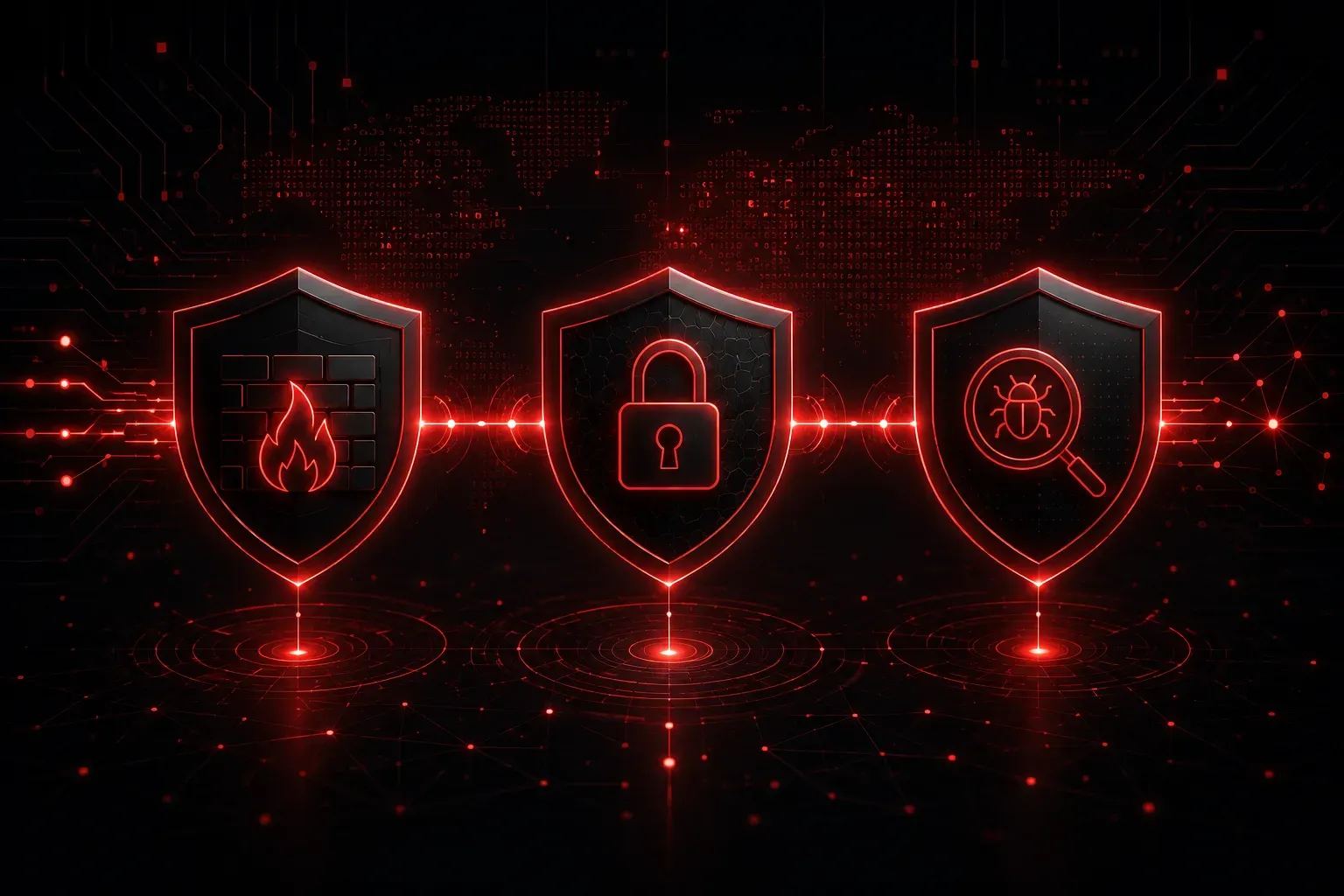
When something goes wrong in a network or IT environment, the response rarely comes from a single tool or policy. Instead, organizations layer multiple types of controls to detect problems, stop them from happening in the first place, and recover when they do occur. These categories are called detective, preventive, and corrective controls, and understanding the difference between them is a core concept in cybersecurity risk management.
Think about a building with a fire safety system. There are smoke alarms that alert you to danger, sprinkler systems that try to contain the damage, and evacuation plans that help everyone recover safely. Each one plays a different role. Cybersecurity controls work the same way.
Preventive Controls: Stop Problems Before They Start
Preventive controls are designed to stop an incident from happening in the first place. These are your first line of defense. If an attacker cannot get in, there is nothing to detect or correct.
Going back to the fire analogy: preventive controls are like fire-resistant building materials and no-smoking policies. They reduce the chance of a fire ever starting.
In cybersecurity, common examples include:
- Firewalls that block unauthorized traffic before it reaches internal systems
- Access control lists (ACLs) that restrict who can log in or read sensitive files
- Encryption that makes stolen data unreadable
- Security awareness training that teaches users to recognize phishing emails
- Patch management that closes known vulnerabilities before attackers exploit them
Preventive controls are proactive. They require planning and investment, but when they work, no one notices because nothing goes wrong.
Detective Controls: Spot Problems When They Happen
Detective controls are designed to identify and alert you when something suspicious or harmful is occurring. They do not stop an event from happening, but they make sure you know about it so you can respond.
In the fire analogy, the smoke alarm is a detective control. It does not prevent fire, but it sounds the alarm so people can act.
Common examples in cybersecurity include:
- Intrusion Detection Systems (IDS) that monitor network traffic and alert on suspicious patterns
- Log monitoring and SIEM tools that aggregate events and flag anomalies
- Security cameras and audit trails that record activity for review
- File integrity monitoring that detects unauthorized changes to critical files
Detective controls are essential because no preventive control is perfect. Attackers are creative, and some threats will always get through. When that happens, you need to know about it fast.
Corrective Controls: Recover After an Incident
Corrective controls kick in after an incident has been detected. Their goal is to minimize damage, restore normal operations, and prevent the same problem from happening again.
In the fire analogy, corrective controls are the sprinkler system that suppresses the fire and the evacuation plan that gets people out safely. After the event, corrective action also includes rebuilding and inspecting what went wrong.
In cybersecurity and disaster recovery, corrective controls include:
- Backups and data restoration that allow systems to be rebuilt after ransomware or hardware failure
- Incident response plans that guide teams through containment and recovery steps
- Patching a system after a breach to close the vulnerability that was exploited
- Business continuity plans (BCPs) that keep critical operations running during and after disruptions
- Disaster recovery plans (DRPs) that define specific steps to restore IT systems and data
Putting It All Together
No single control type is enough on its own. A strong security posture uses all three in layers. Here is a simple way to remember them:
- Preventive: Stop it from happening
- Detective: Know when it happens
- Corrective: Fix it after it happens
For the CCST Cybersecurity exam, be ready to classify real-world examples into these categories. Ask yourself: does this control prevent, detect, or correct? That question will guide you to the right answer almost every time.
What's Next
Now that you understand the three main categories of disaster recovery controls, the next step is looking at how organizations actually document and test their response plans. In the next post, we will explore incident response plans and disaster recovery plans in more detail, including what they contain and why regular testing is just as important as having the plan in the first place.