
What Is Privilege Escalation and Why It Matters
Privilege escalation is the process of gaining higher access rights than originally granted on a system. This post explains vertical and horizontal privilege escalation, how attackers exploit it, and practical defensive measures to protect your systems. It is aligned with CCST Cybersecurity exam do

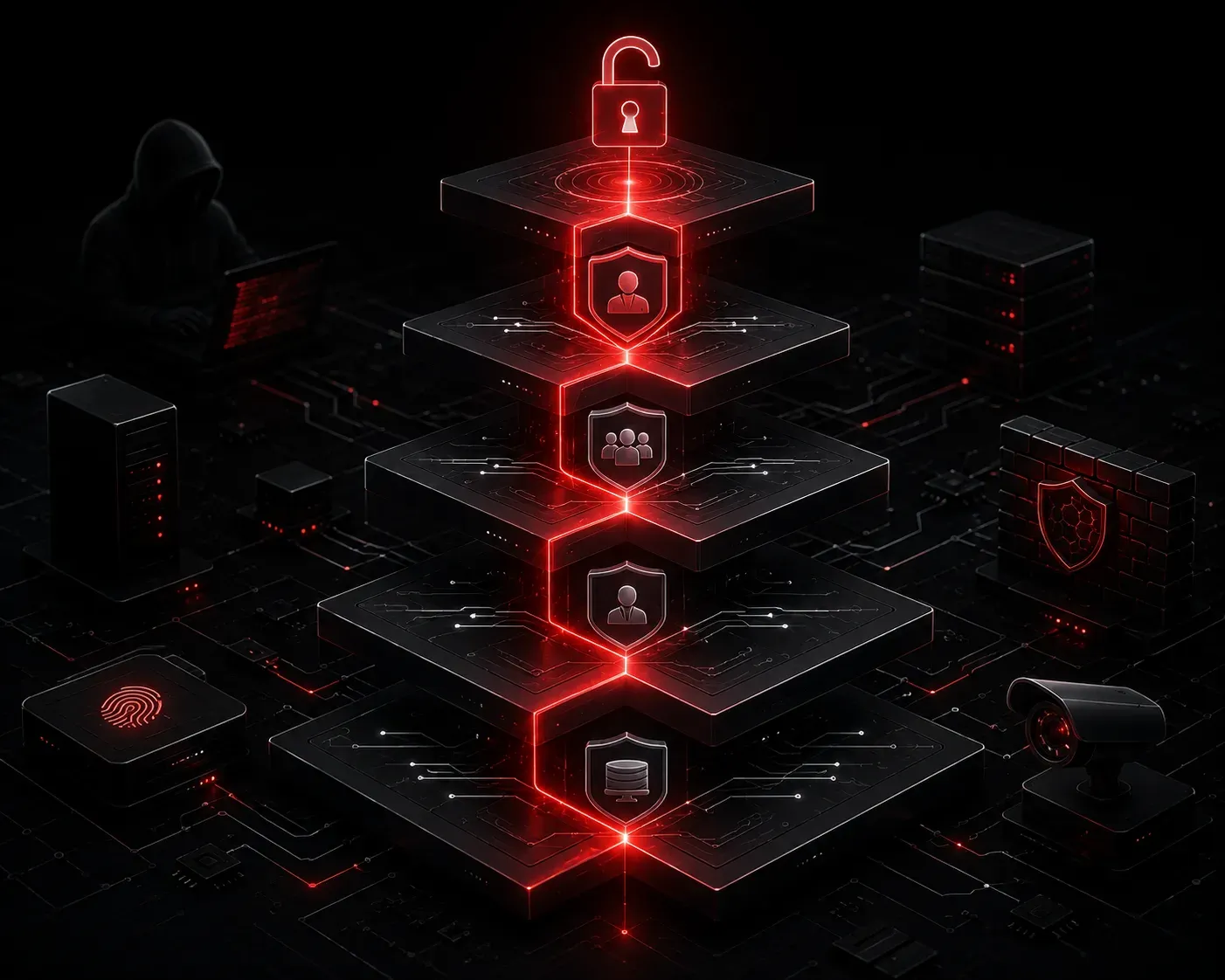
When attackers break into a system, they rarely land with full control right away. Instead, they often start with limited access and then work to gain more. That process of gaining higher-level permissions than you were originally granted is called privilege escalation, and it is one of the most important concepts you will encounter in cybersecurity.
What Are Access Rights and Privilege Levels?
Every operating system uses a permission model to control what users and processes can do. On a Windows system, you might be a standard user who can run applications but cannot install software or change system settings. On a Linux system, a regular user cannot modify files in /etc/ or run commands as root without special permissions.
These permission boundaries exist for good reason. They follow the principle of least privilege, which means every user and process should only have the access rights they need to do their job and nothing more. When those boundaries are crossed without authorization, that is privilege escalation in action.
The Two Types of Privilege Escalation
There are two main categories you need to understand for the CCST exam and for real-world security work.
Vertical Privilege Escalation
This is the most commonly discussed type. A low-privileged user gains access to higher-level functions, typically administrator or root-level access. Think of a regular employee somehow gaining the ability to create and delete user accounts, something only an IT admin should be able to do.
Horizontal Privilege Escalation
This type is subtler. Instead of moving up the permission ladder, the attacker moves sideways. They gain access to another user's data or functions at the same permission level. For example, a logged-in user accessing another user's private files or email without permission is horizontal escalation. Both types are serious security threats.
How Attackers Exploit Privilege Escalation
Attackers use several techniques to escalate privileges once they have a foothold on a system.
- Exploiting unpatched vulnerabilities: Operating systems and applications sometimes have bugs that allow users to perform actions beyond their permission level. A well-known example on Linux is a misconfigured
sudosetting that lets a user run commands as root unintentionally. - Credential theft: Stealing a higher-privileged user's password through phishing or keylogging gives an attacker their access rights directly.
- Misconfigured permissions: If a sensitive file or service is accidentally set to be writable by all users, an attacker can modify it to gain elevated access.
- Token or ticket manipulation: On Windows systems, attackers may steal or forge authentication tokens to impersonate privileged accounts.
A classic real-world scenario looks like this: an attacker tricks an employee into clicking a malicious email link. That gives the attacker a foothold as a standard user. They then scan the system for a vulnerable application running with admin privileges. By exploiting that vulnerability, they escalate to admin-level control and can now move freely across the network.
System Protection: How to Defend Against It
The good news is that strong system protection practices go a long way toward preventing privilege escalation attacks.
- Apply patches and updates promptly. Most privilege escalation exploits target known vulnerabilities. Keeping your OS and applications updated closes those doors quickly.
- Enforce least privilege consistently. Regularly audit user accounts and remove permissions that are not needed. Avoid giving administrator rights to everyday user accounts.
- Use multi-factor authentication (MFA). Even if credentials are stolen, MFA adds a layer that makes credential theft much harder to exploit.
- Monitor for unusual behavior. A standard user account suddenly attempting to access system configuration files is a red flag. Security Information and Event Management (SIEM) tools can alert on this kind of activity.
- Audit file and directory permissions. On Linux, regularly check for files with the
SUIDbit set using a command likefind / -perm -4000 2>/dev/null. These files run with elevated privileges and can be abused if misconfigured.
Why It Matters for the CCST Exam
Privilege escalation sits within the Endpoint Security Concepts domain because endpoints (laptops, servers, workstations) are where most of these attacks play out. Understanding how access rights work and how attackers abuse them gives you a strong foundation for recognizing threats and recommending appropriate defenses. The CCST exam expects you to know what privilege escalation is, the difference between vertical and horizontal escalation, and basic protective measures.
What's Next
Now that you understand privilege escalation, the next logical step is exploring how attackers actually gain that initial foothold on a system in the first place. In the next post, we will look at common malware types and how they are used as entry points for attacks on endpoints.