
Understanding Fairness in AI: A Practical Guide
This post explores fairness in AI systems, explaining why it matters for IT professionals and providing practical steps for implementing bias reduction in machine learning workflows. Covers common types of unfairness and organizational practices for maintaining fair AI systems.

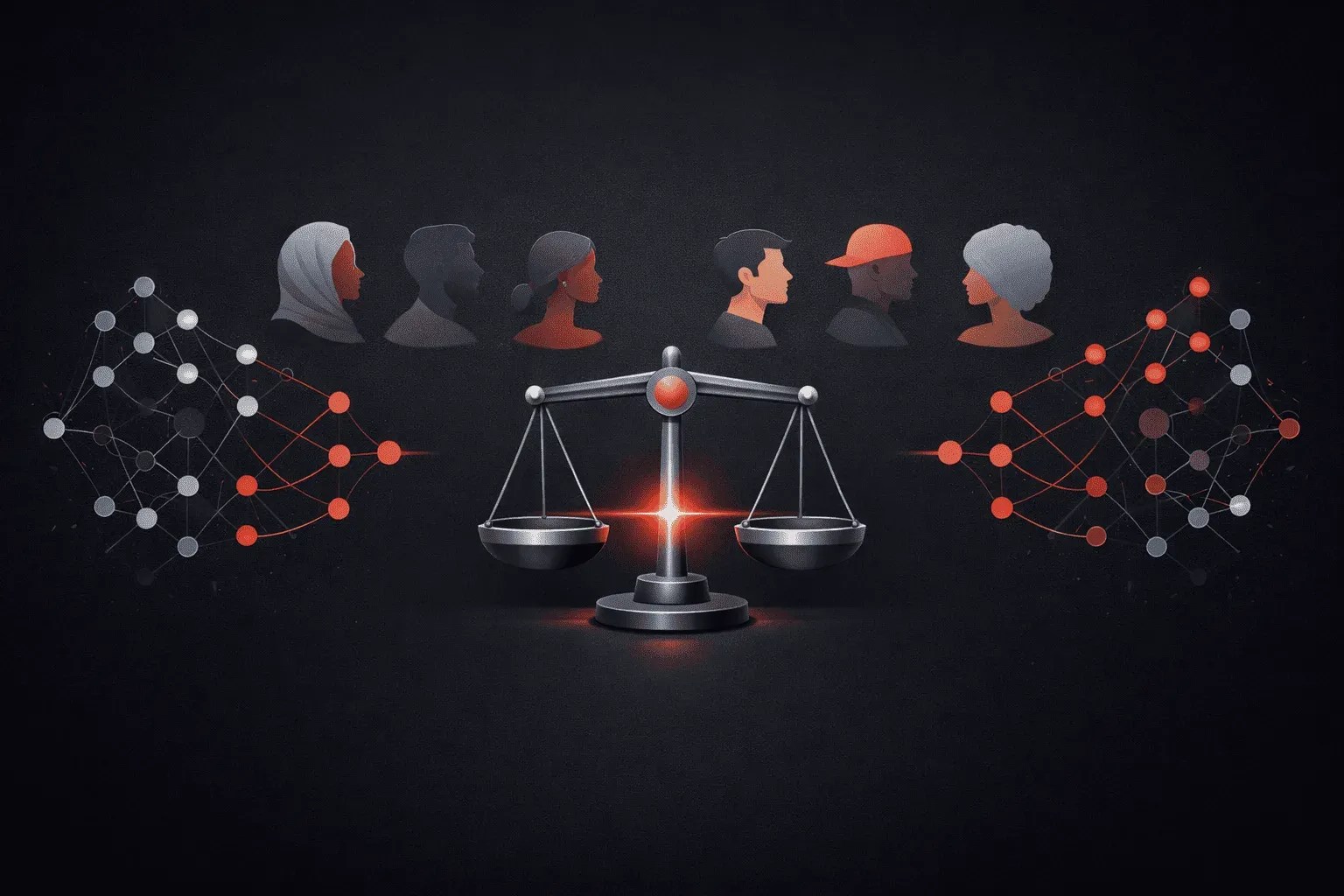
When deploying AI systems in production environments, one critical aspect that IT professionals often overlook is fairness. Understanding fairness in AI isn't just about doing the right thing; it's about building robust, reliable systems that serve all users equitably and avoid costly legal and reputational risks.
What Is Fairness in AI?
Fairness in AI refers to the principle that machine learning models should treat individuals and groups equitably, without discrimination based on protected characteristics like race, gender, age, or socioeconomic status. Unlike traditional software bugs that might affect functionality, unfair AI systems can perpetuate or amplify existing societal biases, leading to discriminatory outcomes.
Consider a hiring algorithm that consistently ranks male candidates higher than equally qualified female candidates, or a loan approval system that disproportionately rejects applications from certain zip codes. These scenarios demonstrate how AI systems can inadvertently encode unfairness into automated decision-making processes.
Why Fairness Matters for IT Professionals
As an IT professional implementing AI solutions, you're responsible for ensuring these systems operate fairly. Here's why this matters:
- Legal compliance: Regulations like GDPR and emerging AI legislation require fair treatment
- Business risk: Unfair AI can lead to lawsuits, fines, and damaged reputation
- User trust: Fair systems build confidence and adoption among diverse user bases
- Technical performance: Fair models often perform better across different user groups
Common Types of Unfairness
AI ethics frameworks typically identify several types of algorithmic unfairness:
Individual Fairness: Similar individuals should receive similar outcomes. If two job applicants have identical qualifications, they should receive similar scores from your hiring algorithm.
Group Fairness: Different demographic groups should experience similar treatment rates. For example, loan approval rates shouldn't vary significantly between different ethnic groups with similar creditworthiness.
Counterfactual Fairness: An individual's outcome shouldn't change if they belonged to a different demographic group, all else being equal.
Practical Steps for Bias Reduction
Implementing fairness models requires a systematic approach throughout your AI development lifecycle:
Data Collection and Preparation
Start with your training data. Examine your datasets for representation gaps or historical biases. Use tools like pandas to analyze demographic distributions:
import pandas as pd

# Analyze representation in your dataset
demographic_counts = df['demographic_group'].value_counts()
print(demographic_counts)

# Check for correlation between protected attributes and outcomes
correlation_matrix = df[['protected_attribute', 'target_outcome']].corr()
Model Development
During training, implement fairness constraints. Libraries like fairlearn provide tools for building fair models:
from fairlearn.reductions import ExponentiatedGradient
from fairlearn.reductions import DemographicParity

# Apply fairness constraint during training
mitigator = ExponentiatedGradient(
    estimator=your_model,
    constraints=DemographicParity()
)

mitigator.fit(X_train, y_train, sensitive_features=sensitive_attributes)
Evaluation and Monitoring
Continuously monitor your deployed models for fairness violations. Implement automated alerts when fairness metrics fall below acceptable thresholds:
# Monitor demographic parity
from fairlearn.metrics import demographic_parity_difference

dp_difference = demographic_parity_difference(
    y_true, y_pred, sensitive_features=sensitive_features
)

if abs(dp_difference) > 0.1:  # Alert if difference exceeds 10%
    trigger_fairness_alert()
Building Organizational Fairness Practices
Technical solutions alone aren't sufficient. Establish organizational processes that support bias reduction:
- Form diverse review teams to evaluate AI systems before deployment
- Document fairness requirements in your system specifications
- Conduct regular fairness audits of production models
- Provide fairness training for your development teams
Remember that fairness isn't a one-time check; it requires ongoing attention as your data, models, and user base evolve.
What's Next
Now that you understand the fundamentals of fairness in AI, the next step is learning how to implement specific fairness metrics and evaluation techniques. In our next post, we'll dive deep into measuring fairness with practical tools and code examples that you can immediately apply to your AI projects.