
How to Mitigate Bias in AI Models
This guide covers practical techniques for identifying and reducing bias in AI models, including statistical testing methods, data augmentation strategies, and workflow integration for IT professionals building fair AI systems.

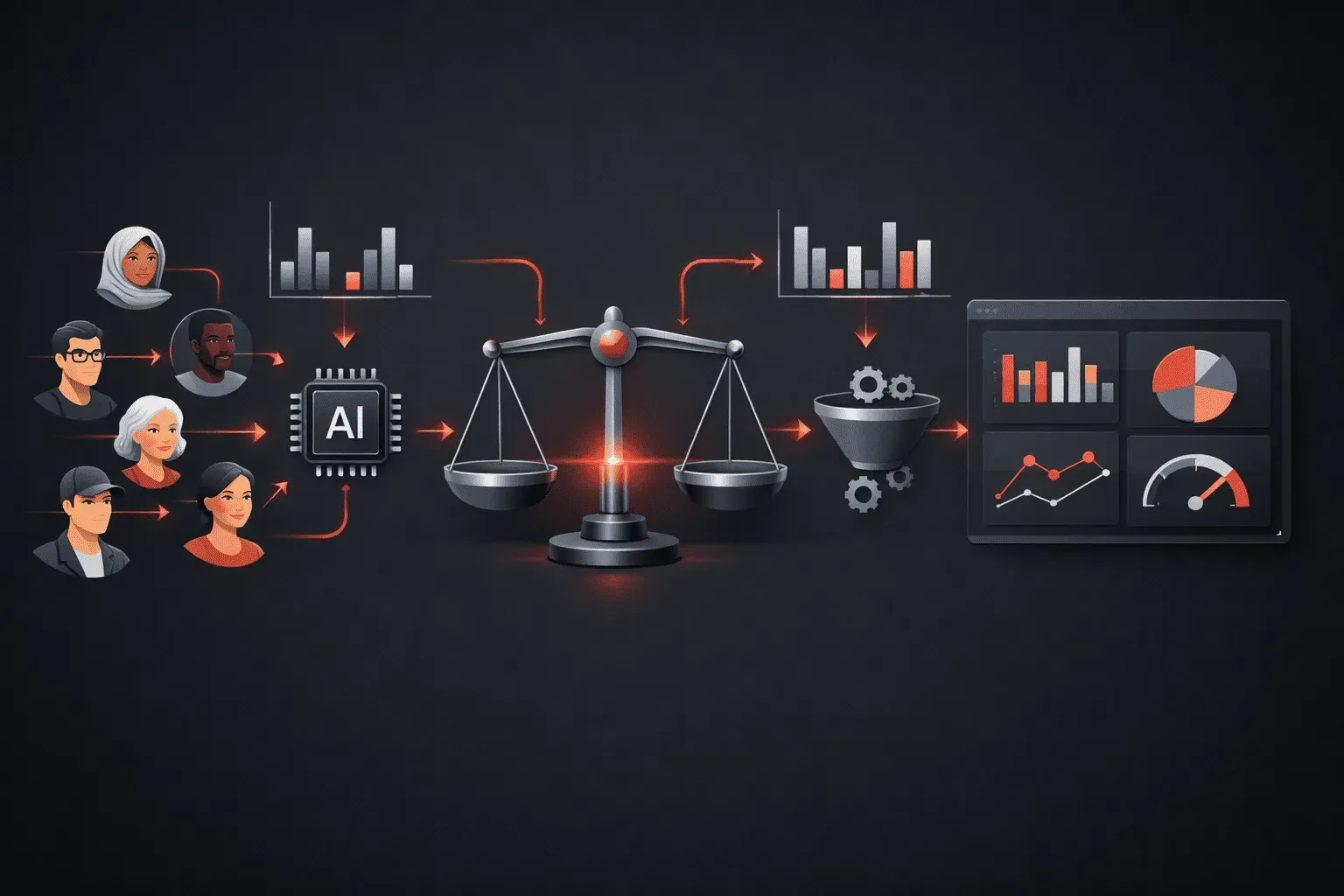
Bias in AI models isn't just an abstract ethical concern; it's a real problem that can undermine your organization's credibility and create legal liability. When an AI system consistently produces unfair results for certain groups of users, it reflects poorly on the technology team that deployed it. Let's explore practical techniques to identify and reduce bias in your AI implementations.
Understanding Where Bias Comes From
Before you can mitigate bias in AI systems, you need to understand its sources. Bias typically enters AI models through three main pathways: training data, algorithmic design, and deployment context.
Training data bias is the most common culprit. If your dataset underrepresents certain groups or contains historical prejudices, your model will learn and amplify these patterns. For example, if you're building a resume screening tool using historical hiring data, it might learn to favor candidates from certain schools or backgrounds simply because that's what the past data shows.
Algorithmic bias occurs when the model architecture or feature selection inadvertently favors certain outcomes. Even with balanced data, poorly chosen features can create unfair results.
Essential Bias Detection Techniques
The first step in bias mitigation is detection. You can't fix what you can't measure. Start with these fundamental approaches:
Statistical Parity Testing: Compare your model's outcomes across different demographic groups. If your loan approval model approves 80% of applications from Group A but only 40% from Group B with similar qualifications, you've found a bias signal.
Equalized Odds Analysis: Examine whether your model has similar true positive and false positive rates across groups. A fair model should be equally accurate for all populations it serves.
Use tools like fairlearn in Python or aif360 from IBM to automate these calculations:
from fairlearn.metrics import demographic_parity_difference
from sklearn.metrics import accuracy_score

# Calculate bias metrics
bias_score = demographic_parity_difference(
    y_true, y_pred, sensitive_features=protected_attribute
)
Practical Bias Mitigation Strategies
Once you've identified bias, here are proven techniques to address it:
Data Augmentation: Expand your training dataset to include more representative samples. If you're missing data from certain groups, actively collect it or use synthetic data generation techniques to balance your dataset.
Algorithmic Debiasing: Implement fairness constraints during model training. Many modern AI tools now include built-in fairness modules that can optimize for both accuracy and fairness simultaneously.
Post-Processing Adjustments: After training, you can calibrate your model's outputs to ensure equal treatment across groups. This might involve adjusting decision thresholds for different populations to achieve fairness metrics.
Building Fairness Into Your Workflow
The most effective approach to bias mitigation is prevention through process. Establish these practices in your AI development workflow:
- Conduct bias audits at multiple stages: data collection, model training, and deployment
- Document your fairness testing methodology and results
- Set up continuous monitoring to detect bias drift over time
- Create diverse review teams that include stakeholders from different backgrounds
Remember that fairness isn't a one-time achievement; it requires ongoing attention. As your model encounters new data and scenarios, bias patterns can emerge or shift.
Choosing the Right AI Tools for Fairness
Several specialized platforms can help streamline your bias detection and mitigation efforts. IBM's Watson OpenScale provides comprehensive AI governance capabilities, while Google's What-If Tool offers interactive bias exploration. For open-source solutions, consider Fairlearn for Python-based projects or AI Fairness 360 for more comprehensive bias analysis.
The key is integrating these tools into your existing development pipeline rather than treating fairness as an afterthought.
What's Next
Now that you understand the fundamentals of bias mitigation, the next step is implementing robust monitoring systems to detect bias in production AI systems. We'll explore automated bias monitoring techniques and how to set up alerts that help you catch problems before they impact users.