
What Are Cybersecurity Threats and Why Do They Matter?
This post introduces cybersecurity threats for beginners studying for the CCST Cybersecurity exam. It covers common threat types like malware, phishing, and DoS attacks, explains why they matter to everyday users, and introduces the CIA Triad as a foundational framework for understanding how threat

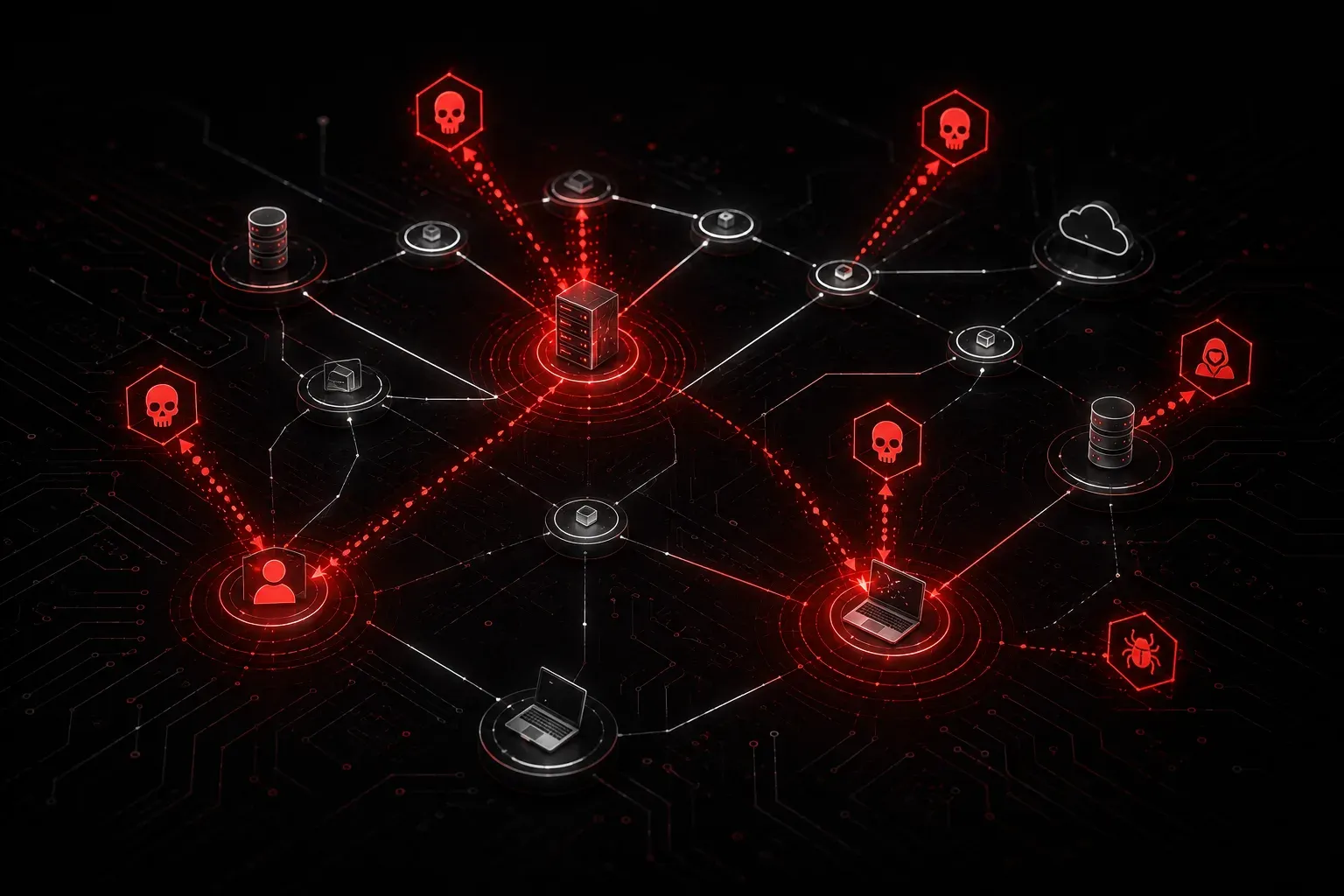
Every time you log into your bank account, send an email, or browse the web, your data is moving across networks that other people can potentially access. That is where cybersecurity threats come in. Understanding what they are is the first step toward protecting yourself and the systems you work with.
What Is a Cybersecurity Threat?
A cybersecurity threat is any potential danger to digital systems, networks, or the data stored within them. Think of it like this: your front door has a lock to keep unwanted people out. A threat is anything that might try to get past that lock, whether it is a person trying to pick it, a window left open, or someone tricking you into handing over your key.
In the digital world, threats come from many directions. They can target individuals, businesses, governments, and even critical infrastructure like power grids and hospitals. The reason security basics matter so much is that the consequences of ignoring these threats are very real, ranging from stolen personal information to financial loss and even physical harm in some cases.
Common Types of Cybersecurity Threats
When you start studying for the CCST Cybersecurity exam, you will encounter several categories of digital threats. Here are the most important ones to understand at the entry level:
- Malware: Short for malicious software, this includes viruses, worms, ransomware, and spyware. Malware is designed to damage, disrupt, or gain unauthorized access to a system. A ransomware attack, for example, encrypts your files and demands payment to unlock them.
- Phishing: This is a social engineering attack where an attacker pretends to be a trusted source, like your bank or a coworker, to trick you into revealing passwords or clicking malicious links. It is one of the most common threats in online safety today.
- Denial of Service (DoS): This type of attack floods a system or network with traffic until it becomes unavailable to legitimate users. A Distributed Denial of Service (
DDoS) attack uses many compromised machines at once to amplify the impact. - Insider Threats: Not all threats come from outside an organization. Employees or contractors with access to systems can cause damage intentionally or accidentally.
- Man-in-the-Middle (MitM): In this attack, an adversary secretly intercepts communication between two parties, potentially reading or altering data in transit. This is why
HTTPSand encrypted connections matter for online safety.
Why Do These Threats Matter to You?
You might be thinking, "I am just a student or a junior IT person. Why would anyone target me?" The truth is that attackers often do not discriminate. Automated tools scan the internet constantly looking for vulnerabilities, weak passwords, and unpatched software. Personal email accounts, home networks, and small business systems are targeted just as often as large enterprises.
Consider what lives on your devices: financial information, personal identification, work files, and private communications. A successful attack can compromise all of it. Understanding digital threats is not just about passing an exam; it is about developing habits that protect you and the people who depend on your systems.
The CIA Triad: A Foundation for Understanding Threats
One concept you will see throughout the CCST curriculum is the CIA Triad: Confidentiality, Integrity, and Availability. Every cybersecurity threat attacks at least one of these three pillars:
- Confidentiality: Keeping data private and accessible only to authorized users. Phishing and data breaches attack this.
- Integrity: Ensuring data is accurate and has not been tampered with. MitM attacks and malware can compromise this.
- Availability: Making sure systems and data are accessible when needed. DoS attacks directly target availability.
When you evaluate any threat, ask yourself which part of the CIA Triad it is targeting. This simple framework will help you think like a security professional from day one.
What's Next
Now that you have a solid picture of what cybersecurity threats are and why they matter, the next step is understanding the people and groups behind them. In the next post, we will explore threat actors, covering who launches these attacks, what motivates them, and how recognizing different adversary types shapes a strong security strategy.