
What Are Security Controls?
Security controls are safeguards that protect information systems through administrative policies, technical solutions, and physical measures. This post covers the three main categories and explains how preventive, detective, and corrective controls work together to create layered defense.
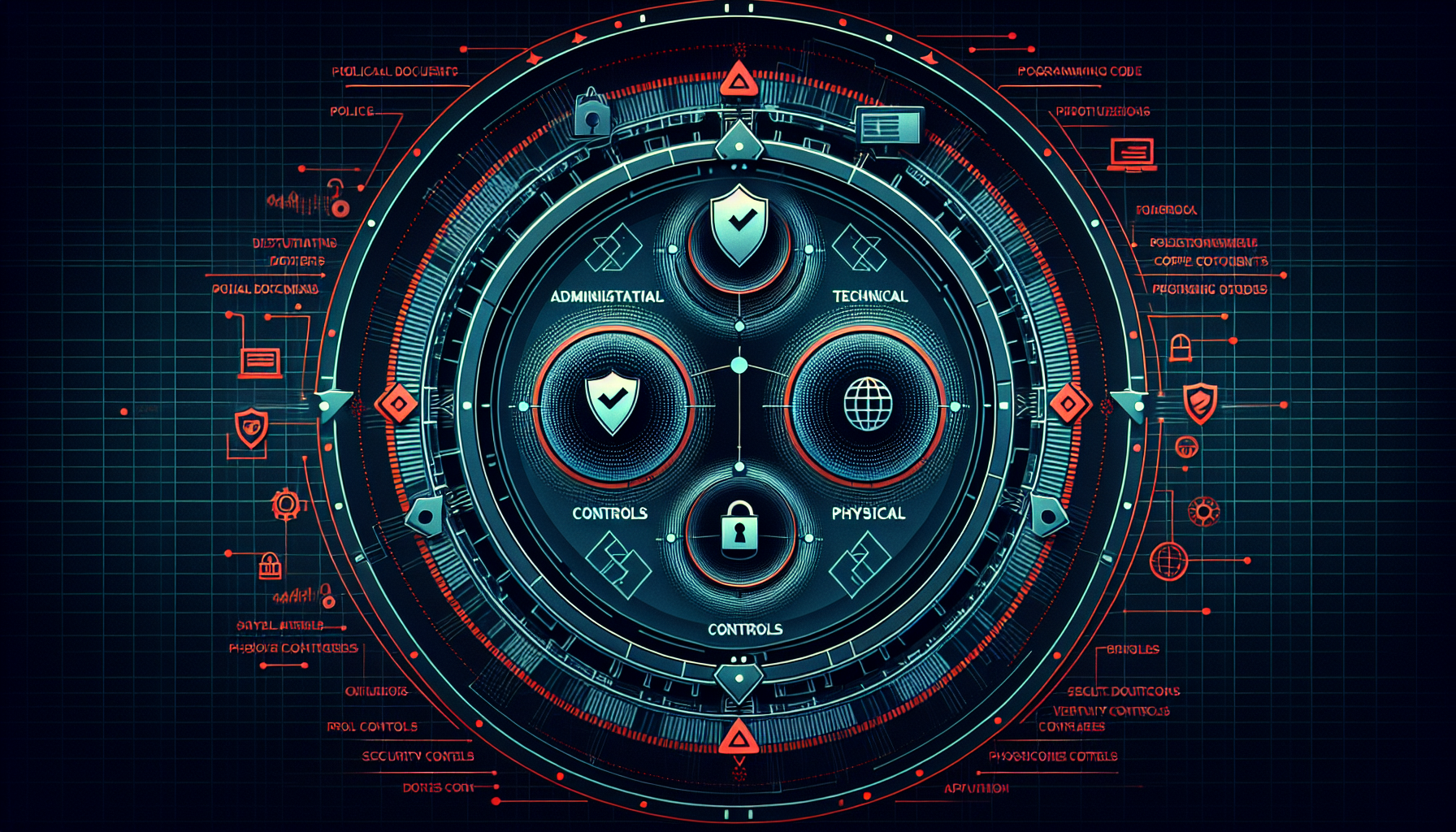
Security controls are the backbone of any effective cybersecurity strategy. If you're studying for Security+ or working in IT, understanding what security controls are and how they work is fundamental to protecting information systems from threats.
What Are Security Controls?
A security control is any safeguard or countermeasure designed to protect the Confidentiality, Integrity, and Availability (CIA) of information systems and data. Think of security controls as the various locks, alarms, and barriers you might use to protect your home, but applied to digital environments.
Security controls serve three primary purposes:
- Prevention - Stop security incidents before they happen
- Detection - Identify when security events occur
- Response - Minimize damage and restore normal operations
The Three Main Categories of Security Controls
Security professionals organize controls into three fundamental categories based on how they're implemented:
Administrative Controls
These are policy-based security measures that define how people should behave and the procedures they should follow. Administrative controls focus on the human element of security.
Common examples include:
- Security policies and procedures
- Employee training and awareness programs
- Background checks for personnel
- Incident response procedures
- Risk assessments
Technical Controls
Technical controls use technology to automatically enforce security measures. These are the digital safeguards built into information systems.
Examples of technical controls:
- Firewalls and intrusion detection systems
- Antivirus software
- Encryption for data protection
- Access control lists and authentication systems
- System logging and monitoring tools
Physical Controls
Physical controls protect the tangible assets and infrastructure that support information systems. These security measures address threats in the physical world.
Physical control examples:
- Locked server rooms and data centers
- Security cameras and motion detectors
- Badge readers and biometric scanners
- Environmental controls (fire suppression, climate control)
- Secure disposal of hardware and documents
Control Functions: How Security Controls Work
Beyond their implementation type, security controls also serve different functional purposes:
Preventive controls stop incidents before they occur. A firewall blocking malicious traffic or a locked door preventing unauthorized access are preventive measures.
Detective controls identify security events as they happen or shortly after. Security cameras, intrusion detection systems, and log monitoring fall into this category.
Corrective controls respond to incidents and restore normal operations. Incident response procedures, system backups, and disaster recovery plans are corrective controls.
Why Security Controls Matter
Effective security controls create multiple layers of protection around your information systems. This "defense in depth" approach ensures that if one control fails, others remain in place to maintain protection. For example, even if an attacker bypasses your firewall (technical control), they might still be stopped by physical access controls and detected by monitoring systems.
Security controls also help organizations meet compliance requirements, manage risk effectively, and maintain business continuity when threats emerge.
What's Next
Now that you understand the basic categories and functions of security controls, the next step is diving deeper into the CIA Triad - the fundamental security principles that guide how we design and implement these protective measures. Understanding confidentiality, integrity, and availability will help you choose the right security controls for different situations.