
What is Software Development?
This post introduces software development basics for network engineers entering automation. It covers the systematic process of creating programs, the development lifecycle phases, and how software development principles apply to network automation solutions.

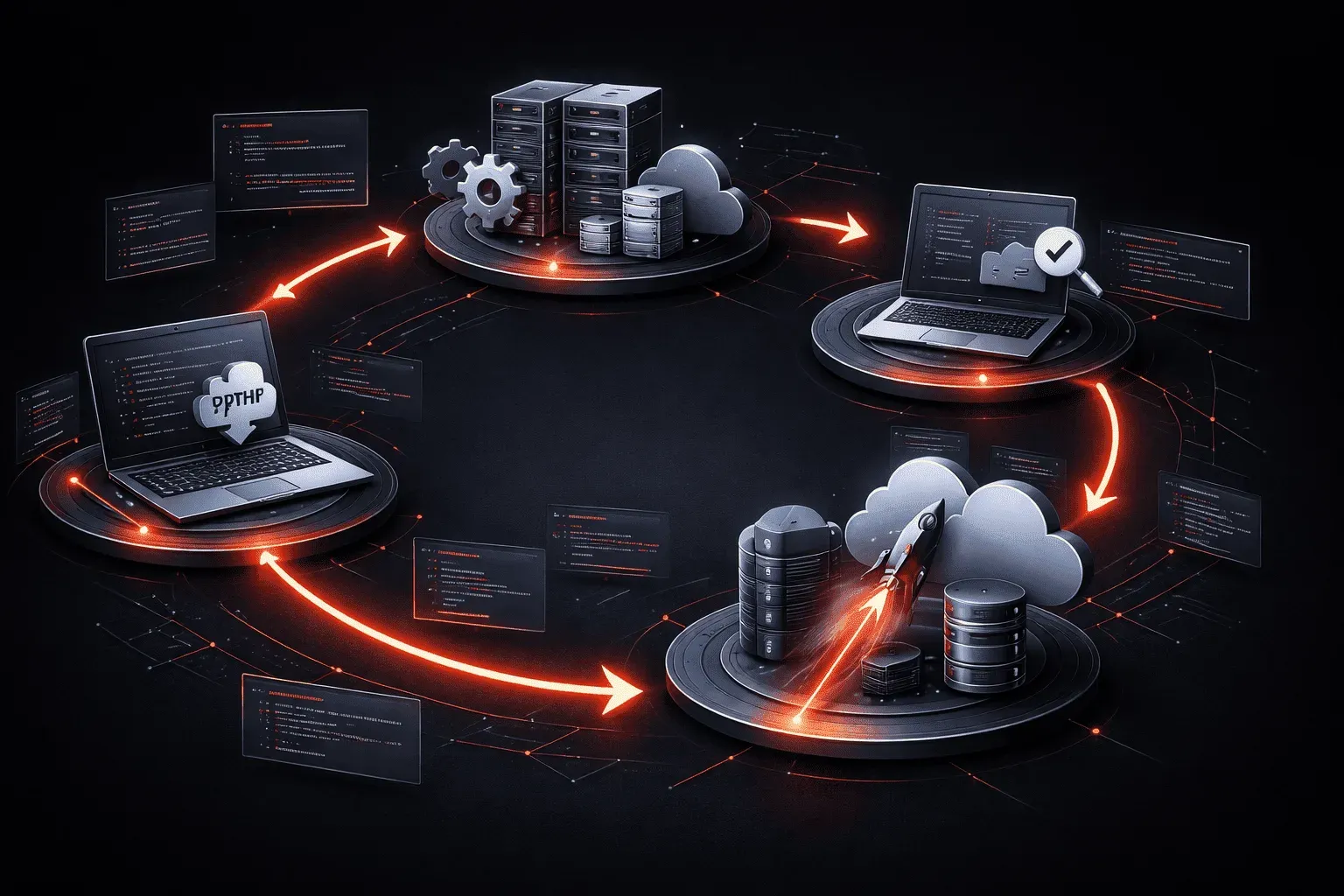
As network engineers embrace automation, understanding software development basics becomes essential. Software development is the systematic process of creating, designing, and maintaining computer programs that solve specific problems or meet particular needs. In the context of network automation, it's the foundation that enables us to build tools that configure devices, monitor networks, and respond to issues automatically.
What Makes Software Development Important for Network Engineers?
Traditional networking relied heavily on manual configuration and troubleshooting. Today's networks demand automation to handle scale, complexity, and the need for rapid changes. Software development provides the framework and methodologies to create reliable, maintainable automation solutions.
Think of software development as building a bridge. You wouldn't start construction without blueprints, materials planning, and safety procedures. Similarly, the software development process provides structure to transform your network automation ideas into working solutions.
Core Components of Software Development
Programming Basics
At its heart, software development involves writing instructions that computers can execute. These programming basics include:
- Variables - containers that store data like IP addresses or device hostnames
- Functions - reusable blocks of code that perform specific tasks
- Control structures - logic that determines program flow (if/then statements, loops)
- Data structures - organized ways to store and access information
For network automation, you might write a Python function that takes a device IP as input and returns its current configuration status.
Problem-Solving Approach
Software development teaches systematic problem-solving. Instead of jumping straight to coding, developers first:
- Clearly define the problem
- Break it into smaller, manageable pieces
- Design a solution approach
- Implement and test the solution
- Refine based on results
The Development Lifecycle
The development lifecycle provides a roadmap for creating software systematically. While there are various methodologies, most follow these key phases:
Planning and Analysis
Before writing any code, developers identify requirements and constraints. For network automation, this might involve understanding which devices need configuration, what changes are required, and how often the process runs.
Design
This phase involves creating the blueprint for your solution. You'll decide on the programming language, define function structures, and plan how different components interact. A network automation script might need modules for device connection, configuration parsing, and error handling.
Implementation
Here's where actual coding happens. You transform your design into working code, following best practices like clear variable naming and proper documentation.
# Example: Simple device connection function
def connect_to_device(hostname, username, password):
    """Establish SSH connection to network device"""
    try:
        connection = ssh_client.connect(hostname, username, password)
        return connection
    except ConnectionError:
        print(f"Failed to connect to {hostname}")
        return None
Testing and Debugging
Testing ensures your code works as intended under various conditions. Network automation scripts should be tested with different device types, network conditions, and potential failure scenarios.
Maintenance
Software requires ongoing updates as requirements change. Your network automation tools need updates when new device models are added or when network policies change.
Development Best Practices
Professional software development emphasizes several key practices that directly benefit network automation:
- Version control - tracking changes to your code using tools like
git - Documentation - clearly explaining what your code does and how to use it
- Modular design - creating reusable components that can be combined in different ways
- Error handling - gracefully managing situations when things don't go as planned
What's Next
Now that you understand software development fundamentals, our next post will explore specific programming languages commonly used in network automation. We'll examine Python's role in networking and why it's become the go-to choice for most automation tasks.
CCNA Automation study resources
- Cisco Certified DevNet Associate DEVASC 200-901 Official Cert Guide — The official Cisco study guide for automation and programmability. Covers Python, APIs, and network automation fundamentals.