
What is Security Governance and Why It Matters
Security governance is the framework of policies, roles, and processes that guide an organization's security decisions. This post introduces the core components of governance, including policies, roles, risk management, and compliance, and explains why governance is foundational to protecting asset

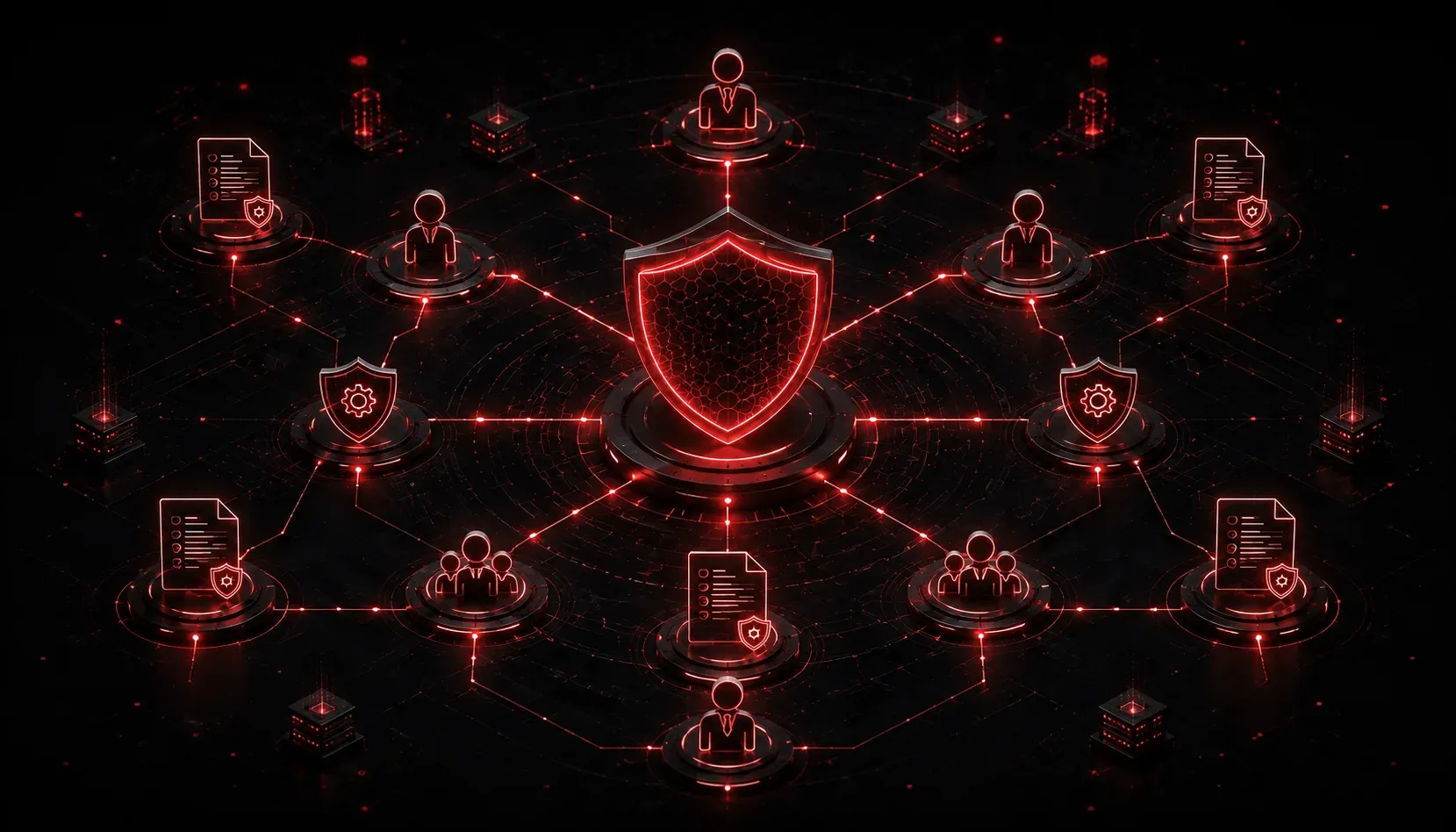
If you've ever wondered how large organizations keep their data safe, stay compliant with regulations, and make consistent security decisions across thousands of employees, the answer usually comes down to one foundational concept: security governance. Before you dive into firewalls, encryption, or threat detection, it helps to understand the framework that guides all of those technical decisions.
What Is Security Governance?
Security governance is the set of policies, processes, and structures that an organization uses to direct and control its information security program. Think of it as the rulebook and management structure that ensures security decisions align with business goals, legal requirements, and risk tolerance.
In practical terms, security governance answers questions like:
- Who is responsible for protecting our data?
- What rules must employees follow when handling sensitive information?
- How do we respond when something goes wrong?
- Are we meeting the legal and regulatory requirements for our industry?
Without governance, security becomes reactive, inconsistent, and difficult to audit. With it, organizations can make informed decisions, allocate resources wisely, and demonstrate accountability to regulators and stakeholders.
The Key Components of Security Governance
Policies and Standards
Policies are high-level statements that define an organization's security intentions. For example, an Acceptable Use Policy (AUP) tells employees what they can and cannot do with company systems. Standards take those policies a step further by defining specific, measurable requirements, such as requiring passwords to be at least 12 characters with complexity requirements.
Roles and Responsibilities
Good security governance clearly defines who owns what. Common roles you will encounter on the Security+ exam and in the real world include:
- Chief Information Security Officer (CISO): The executive responsible for the overall security program.
- Data Owner: A business leader accountable for a specific data set and its classification.
- Data Custodian: The IT team or system administrator responsible for the day-to-day protection and storage of data.
- Users: Employees who interact with data and must follow established policies.
Risk Management
Security governance is closely tied to risk management. Organizations must identify their assets, assess threats and vulnerabilities, and decide how to respond to risk. The four common risk responses are: accept the risk, avoid it, transfer it (such as through cyber insurance), or mitigate it by applying controls. Governance provides the structure to make these decisions consistently.
Compliance and Legal Obligations
Many industries are bound by regulations that dictate how data must be protected. Healthcare organizations follow HIPAA, companies handling payment card data must comply with PCI DSS, and organizations operating in the European Union must adhere to GDPR. Security governance ensures those requirements are translated into internal policies and technical controls.
Why Security Governance Matters
The importance of governance goes beyond checking compliance boxes. Here is why it matters in practice:
- Asset protection: Governance identifies what needs protecting, from customer data to intellectual property, and ensures appropriate controls are in place.
- Accountability: When roles are defined, there is always someone responsible when something goes wrong. This also creates an audit trail.
- Consistency: Without a governance framework, every team handles security differently. Governance standardizes behavior across the organization.
- Business alignment: Good security management ensures security investments support business goals rather than working against operational needs.
- Incident response readiness: Governance defines how the organization will respond to a breach before one ever happens.
A Quick Real-World Example
Imagine a mid-sized healthcare company with no formal security governance. One department stores patient records in a shared folder with no access controls. Another team uses personal email to send lab results. There is no incident response plan. When a breach occurs, nobody knows who is responsible or what to do next.
Now contrast that with an organization that has a defined CISO, a data classification policy, role-based access controls, and a tested incident response plan. When a breach happens, the response is coordinated, the regulators are notified within the required window, and damage is minimized. That is the power of security governance in action.
What's Next
Now that you understand the foundation of security governance, the next step is exploring how organizations document and enforce these frameworks through security policies, standards, procedures, and guidelines. We will break down the differences between each document type and explain when each one is used. These are frequent topics on the Security+ exam and critical building blocks of any real-world security program.
If you want to go deeper on this topic, the CompTIA Security+ Study Guide by Mike Chapple and David Seidl covers security governance thoroughly and is one of the best resources you can have alongside your exam prep.