
Optimizing IT Workflows with AI Productivity Tools
This post shows IT professionals and network engineers how to integrate AI productivity tools like ChatGPT, Claude, GitHub Copilot, and Perplexity AI into everyday workflows. It covers three key workflow categories and provides practical prompts and examples. Readers learn how to combine tools to r

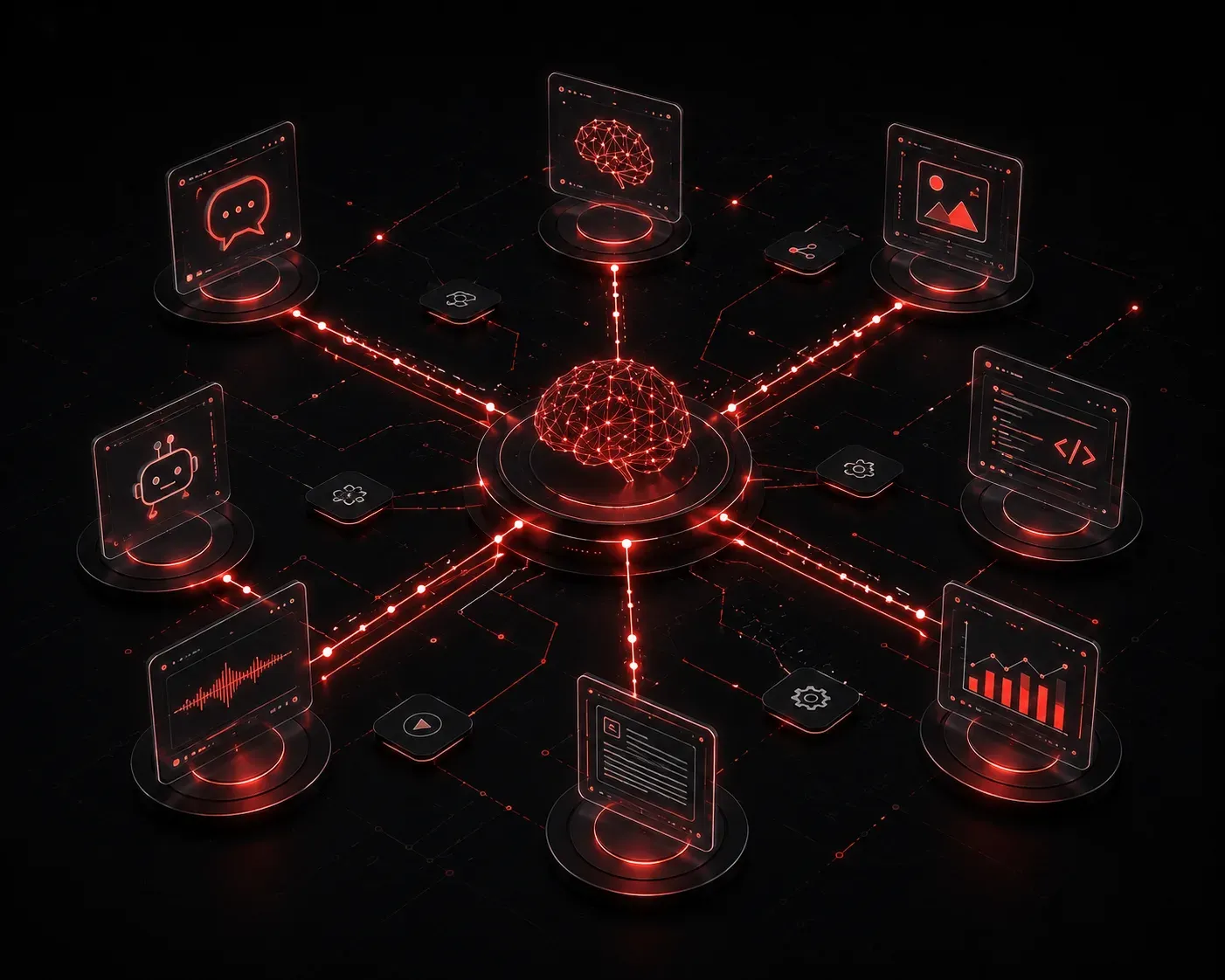
Why IT Professionals Need AI Productivity Tools Now
If you've spent any time troubleshooting a production outage at 2am, writing the same incident report for the fifth time this month, or manually parsing through hundreds of lines of log output, you already know the pain points of modern IT work. The good news is that AI productivity tools have matured to the point where they can genuinely help with these tasks, not just in theory, but in practice, right now.
This post focuses on how network engineers and IT specialists can integrate AI tools into everyday workflows to save time, reduce errors, and free up mental bandwidth for the work that actually requires deep expertise.
Where AI Tools Fit in IT Workflows
Before jumping into specific tools, it helps to think about where AI actually adds value in an IT context. There are three broad categories:
- Documentation and communication: Writing runbooks, summarizing tickets, drafting change requests, and generating reports.
- Code and configuration assistance: Writing Python scripts, generating network configs, debugging automation code.
- Research and troubleshooting: Explaining error messages, summarizing vendor documentation, suggesting diagnostic steps.
The key insight here is that AI tools are multipliers. They don't replace your technical knowledge; they reduce the friction around applying it.
Practical AI Tools Worth Using Today
ChatGPT and Claude for Documentation Heavy Tasks
ChatGPT (chat.openai.com) and Claude (claude.ai) are large language model assistants that excel at turning rough notes into polished documentation. For example, if you've just resolved a BGP route flap issue, you can paste your raw notes into either tool and ask it to generate a formatted post-incident report. The output won't be perfect, but it gets you 80% of the way there in seconds instead of minutes.
A practical prompt you might use:
You are an IT documentation specialist. Convert the following rough
troubleshooting notes into a structured post-incident report with
sections for: Summary, Timeline, Root Cause, and Remediation Steps.

Notes: [paste your notes here]
Claude tends to handle longer documents and nuanced technical writing particularly well, while ChatGPT with the GPT-4 model is strong for general-purpose tasks and has excellent plugin and integration support.
GitHub Copilot for Network Automation
If you're writing Python scripts for network automation, GitHub Copilot (github.com/features/copilot) integrates directly into VS Code and completes code as you type. It's especially useful when working with libraries like netmiko, napalm, or nornir, where you might remember the concept but not the exact syntax.
For example, starting a function like this:
def get_interface_status(device_ip, username, password):
    # connect using netmiko and return interface status
Copilot will suggest a complete working implementation, including the ConnectHandler call, send_command usage, and basic error handling. You still need to review and test it, but the scaffolding is done for you. In practice, teams using Copilot for repetitive automation tasks report spending significantly less time on boilerplate code and more time on logic and testing.
Perplexity AI for Research and Vendor Docs
Perplexity AI (perplexity.ai) is a search-powered AI assistant that cites its sources. This makes it particularly useful for IT research because you can verify where the information is coming from. If you're trying to understand why OSPF is not forming adjacencies in a specific scenario, Perplexity will surface relevant Cisco documentation, community forums, and RFC references alongside its explanation.
Building a Simple AI-Assisted Workflow
Here's a realistic example of how these tools can work together during a typical IT task:
- Use Perplexity to quickly research a vendor-specific issue or technology concept you're unfamiliar with.
- Use GitHub Copilot to write an automation script to pull data from your devices.
- Use ChatGPT or Claude to turn your findings and script output into a formatted summary for your team or manager.
Each tool handles a distinct part of the workflow. You're not replacing your judgment; you're removing the repetitive friction that slows you down.
A Quick Note on Accuracy
AI tools make mistakes. They can hallucinate command syntax, misquote RFC details, or generate code that looks correct but has subtle bugs. Always verify any configuration snippet or script against official documentation before running it in production. Think of AI output as a starting draft from a junior engineer: useful, but not ready to ship without your review.
What's Next
Now that you have a framework for integrating AI productivity tools into your IT workflows, the next step is getting specific about prompting. In the next post, we'll cover prompt engineering for IT professionals: how to write prompts that get you accurate, useful, and properly formatted output every time. Good prompting is a skill, and a small investment in learning it pays off quickly.