
Common Mistakes in Change Management and How to Avoid Them
Learn to avoid common change management pitfalls including emergency bypasses, poor documentation, inadequate testing, and skipping approval processes. Essential knowledge for Security+ beginners.

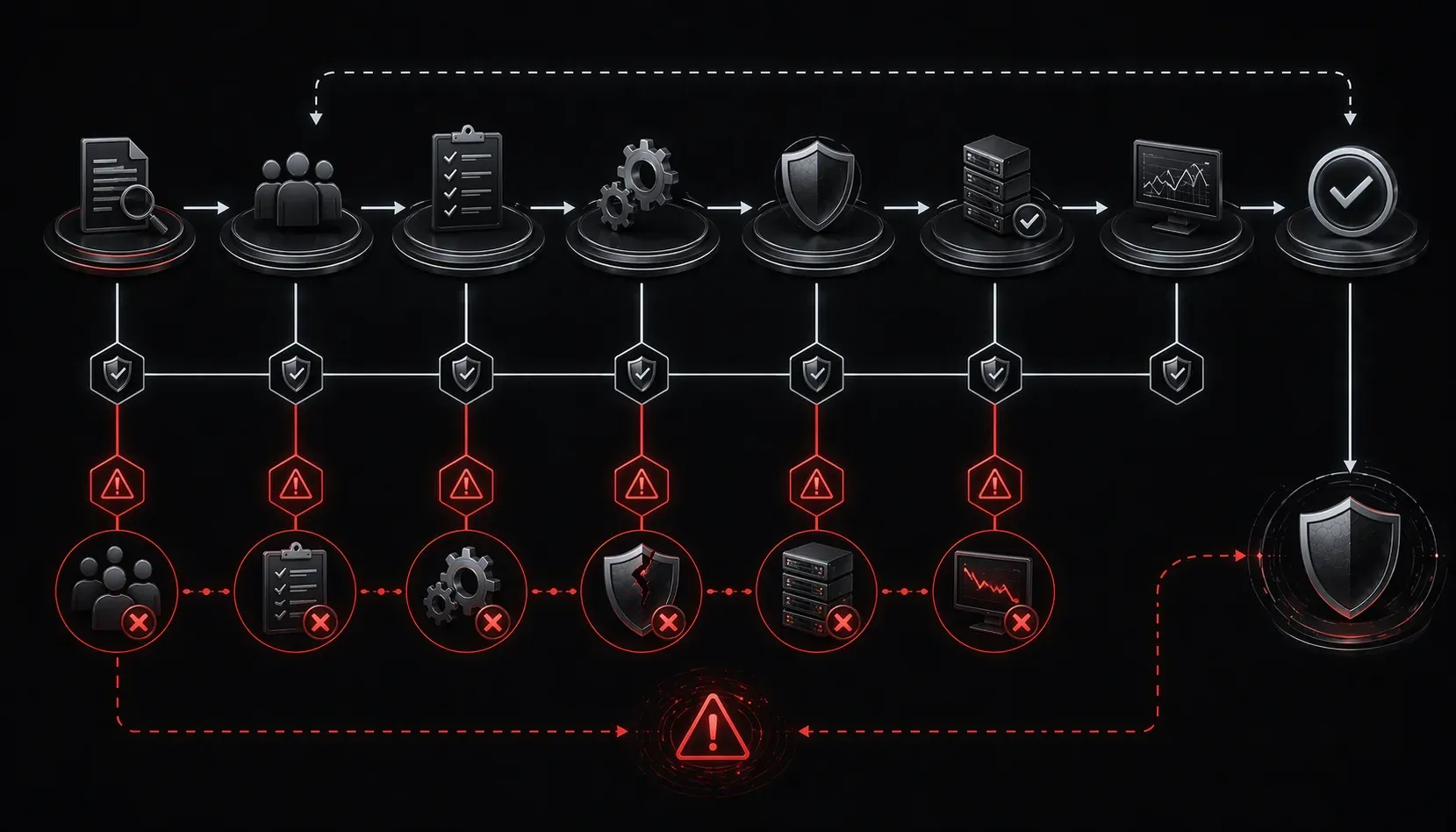
Change management is one of those security processes that sounds straightforward until you're in the middle of implementing it. As a Security+ professional, you'll quickly discover that poorly managed changes are behind many security incidents and operational failures. In fact, inadequate change control is a leading cause of security vulnerabilities and compliance failures. Let's explore the most common change management mistakes and how to avoid them while maintaining strong security posture.
The "Emergency Bypass" Trap
The biggest change management mistake is treating every issue as an emergency and bypassing security controls. When systems go down, the pressure to fix things fast can lead to circumventing the entire change process, creating security gaps and violating compliance requirements. While true emergencies exist, most situations can wait for proper approval and security review.
Security impact: Emergency bypasses often disable security controls, create unauthorized access paths, or introduce unvetted code that attackers can exploit.
How to avoid this pitfall: Establish clear criteria for what constitutes a true emergency. Create a streamlined emergency change process that still includes security approval and maintains audit trails. Remember, taking 30 minutes to document and get security approval often prevents security incidents that take days to remediate.
Inadequate Testing and Rollback Planning
Another common mistake is implementing changes without proper security testing or rollback procedures. This creates vulnerabilities and can compromise security controls during failed rollbacks.
Consider this scenario: you're updating firewall rules to allow a new application. Without proper testing, you might accidentally create overly permissive rules, expose internal services to the internet, or break existing security controls.
Security-focused change management tips:
- Test every change in a lab environment that mirrors production security controls
- Verify that changes don't compromise security baselines or compliance requirements
- Document step-by-step rollback procedures and test them to ensure security controls remain intact
- Plan implementation during maintenance windows to minimize security monitoring gaps
Poor Documentation and Communication
Many organizations fail at change management because they don't document security impacts properly or communicate effectively with security teams. Poor documentation makes it impossible to maintain security baselines and conduct proper incident response.
Security-focused documentation should include:
- What exactly is being changed and potential security implications
- Who approved the change from both operational and security perspectives
- Security controls that will be affected or disabled during implementation
- Expected impact on security monitoring and incident response capabilities
- Contact information for security team support during the change window
The Communication Timeline
Effective communication follows a timeline that includes security stakeholders. Notify security teams at least 48-72 hours in advance for non-emergency changes to allow for security impact assessment. Send reminders 24 hours before implementation, and provide real-time updates during the change window to security operations centers.
Skipping the Change Advisory Board (CAB)
Security professionals often view the Change Advisory Board as bureaucratic overhead, but it's actually your security safety net. The CAB provides diverse perspectives that can identify security risks you might miss.
For example, you might plan a security patch deployment during what seems like a quiet period, not realizing it conflicts with a scheduled penetration test or security audit. The CAB, including security representation, would catch this conflict and prevent test interference.
Version Control and Configuration Management Oversights
One of the most critical change management mistakes from a security perspective involves poor configuration management. When you modify firewall rules, security policies, or access controls without proper versioning, you lose the ability to detect unauthorized changes and maintain security baselines.
Security-focused best practices include:
- Backing up security configurations and maintaining secure storage of backups
- Using version control systems for security scripts, policies, and configurations
- Maintaining detailed change logs for security-related modifications with digital signatures
- Regular security configuration audits to detect unauthorized changes and drift from baselines
Ignoring Security Risk Assessment
Every change carries security risk, but many fail to properly assess and categorize these risks according to security impact. A high-risk change affecting security controls requires different approval processes and security reviews than a low-risk change to a non-critical development server.
Develop a security-focused risk matrix considering factors like impact on confidentiality, integrity, and availability (CIA triad), potential attack surface changes, and compliance implications. This helps determine appropriate security approval levels and testing requirements.
Real-World Security Example
Consider this scenario: A system administrator needs to update antivirus definitions across the network. This seems routine, but without proper change management focused on security, they might:
- Deploy during peak hours when security monitoring is most critical
- Skip testing that reveals the update conflicts with endpoint detection and response (EDR) tools
- Fail to coordinate with the security operations center, causing alert fatigue during deployment
- Not have a rollback plan if the update disables critical security controls
- Miss the opportunity to verify that updated signatures don't flag legitimate business applications as malicious
Following security-focused change management would prevent these issues and maintain security posture throughout the deployment.
What's Next
Now that you understand these common change management mistakes from a security perspective, the next step is learning how to build effective security-integrated change management policies. Consider exploring how change management integrates with incident response procedures and how to maintain security controls during organizational changes; both critical topics for Security+ professionals and security practitioners.
Tools and resources for this topic
- CompTIA Security+ Study Guide — Full SY0-701 exam coverage including threats, vulnerabilities, and mitigation.