
How to Enhance Security in Enterprises: Simple Steps
This beginner-friendly guide covers essential steps to enhance enterprise security, including access controls, security training, monitoring, and patch management. It focuses on practical, implementable measures that any organization can start with today.

Understanding Enterprise Security Fundamentals
When it comes to enhance enterprise security, many beginners feel overwhelmed by the complexity of modern cybersecurity frameworks. However, building effective organizational protection doesn't have to start with million-dollar solutions. The most successful security programs begin with foundational practices that any organization can implement, regardless of size or budget.
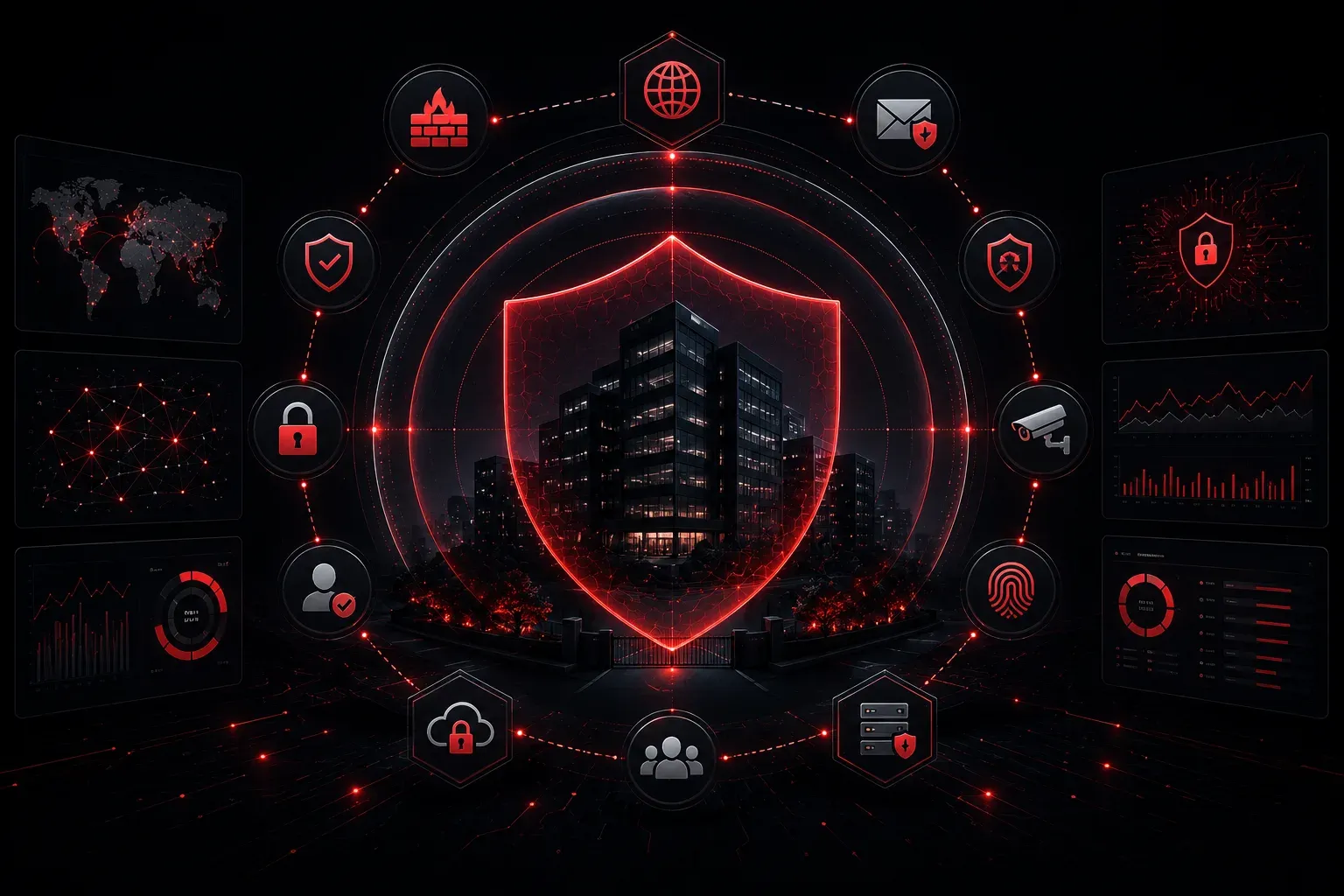
Enterprise security is essentially about creating layers of defense that protect your organization's digital assets, data, and operations from various threats. Think of it like securing a building - you wouldn't rely on just one lock on the front door. Instead, you'd implement multiple security measures working together. This concept is known as defense in depth, a fundamental principle in the CompTIA Security+ domain.
Essential Beginner Steps to Improve Security
Implement Strong Access Controls
The first step to improve security is controlling who has access to what resources. Start with these fundamental access control measures:
- Multi-Factor Authentication (MFA): Require users to provide two or more verification factors. According to Microsoft research, MFA can prevent 99.9% of account compromise attacks, though effectiveness varies based on implementation and threat types.
- Principle of Least Privilege (PoLP): Give users only the minimum access they need to perform their job functions. This access control model minimizes potential damage from compromised accounts.
- Regular Access Reviews: Quarterly reviews ensure terminated employees lose access and current employees have appropriate permissions.
For example, your accounting team shouldn't have access to engineering systems, and temporary contractors should have time-limited accounts that automatically expire. A practical case study: Company XYZ reduced their security incidents by 60% after implementing role-based access control (RBAC) that separated duties between departments.
Establish Security Awareness Training
Human error remains the leading cause of security breaches, accounting for approximately 95% of successful cyber attacks according to IBM's Security Intelligence reports. These beginner steps can dramatically reduce risk:
- Monthly phishing simulation exercises using tools like KnowBe4 or Proofpoint
- Password security education focusing on unique, complex passwords and password managers
- Social engineering awareness training covering pretexting, baiting, and tailgating attacks
- Incident reporting procedures that encourage rather than punish reporting
Make training engaging and relevant. Instead of generic presentations, use real examples from your industry and explain how security practices protect both the organization and individual employees. For CompTIA Security+ candidates, understanding these human factors is crucial for the governance, risk, and compliance domain.
Deploy Basic Monitoring and Logging
You can't protect what you can't see. Implement these monitoring fundamentals using readily available tools:
# Example log analysis for failed login attempts
grep "Failed password" /var/log/auth.log | tail -10

# Monitor for suspicious network connections
netstat -an | grep ESTABLISHED | grep :22
Start with basic logging of authentication events, network connections, and file access. Many operating systems include built-in logging capabilities that require minimal configuration but provide valuable security insights. Popular SIEM (Security Information and Event Management) tools for beginners include:
- Splunk Free: Limited to 500MB/day but excellent for small environments
- ELK Stack (Elasticsearch, Logstash, Kibana): Open-source solution for log analysis
- Windows Event Viewer: Built-in Windows logging tool for basic monitoring
- Syslog-ng: Centralized logging solution for Linux environments
Maintain Software and Systems
Patch management forms the backbone of organizational protection. Unpatched systems create attack vectors that cybercriminals actively exploit. According to the Ponemon Institute, 60% of breaches involve vulnerabilities where a patch was available but not applied:
- Enable automatic updates for operating systems and critical software
- Maintain an inventory of all software and hardware assets using tools like Lansweeper or ManageEngine AssetExplorer
- Establish a monthly patch review process with designated maintenance windows
- Test patches in a development environment before production deployment
Create a simple spreadsheet tracking your critical systems, their patch status, and the responsible team member. This visibility alone significantly improves your security posture. Consider implementing a vulnerability management lifecycle that includes identification, classification, remediation, and verification phases.
Building Your Security Culture
Technical controls are only as effective as the people implementing them. To truly enhance enterprise security, focus on creating a security-conscious culture:
- Leadership Support: Ensure management demonstrates commitment to security practices and allocates appropriate resources
- Clear Policies: Develop simple, understandable security policies that employees can actually follow, based on frameworks like NIST or ISO 27001
- Regular Communication: Share security updates and successes throughout the organization through newsletters, meetings, and training sessions
- Incident Response Plan: Create a clear process for reporting and handling security incidents, including containment, eradication, and recovery phases
Remember, security isn't a destination but an ongoing journey of continuous improvement. Start with these foundational elements and gradually build complexity as your organization matures its security capabilities. This aligns with the CompTIA Security+ emphasis on implementing security controls across the enterprise.
What's Next
Once you've implemented these basic security measures, the next step is developing a comprehensive risk assessment framework. In our upcoming post, we'll explore how to identify, evaluate, and prioritize security risks within your organization, building on these foundational security practices to create a more robust security program that aligns with industry standards and compliance requirements.
Tools and resources for this topic
- CompTIA Security+ Study Guide — Full SY0-701 exam coverage including threats, vulnerabilities, and mitigation.