
Introduction to Generative AI Models
This post introduces the major families of generative AI models including Large Language Models, diffusion models, GANs, and multimodal systems. It explains what makes each type unique and helps beginners understand their different capabilities and use cases.

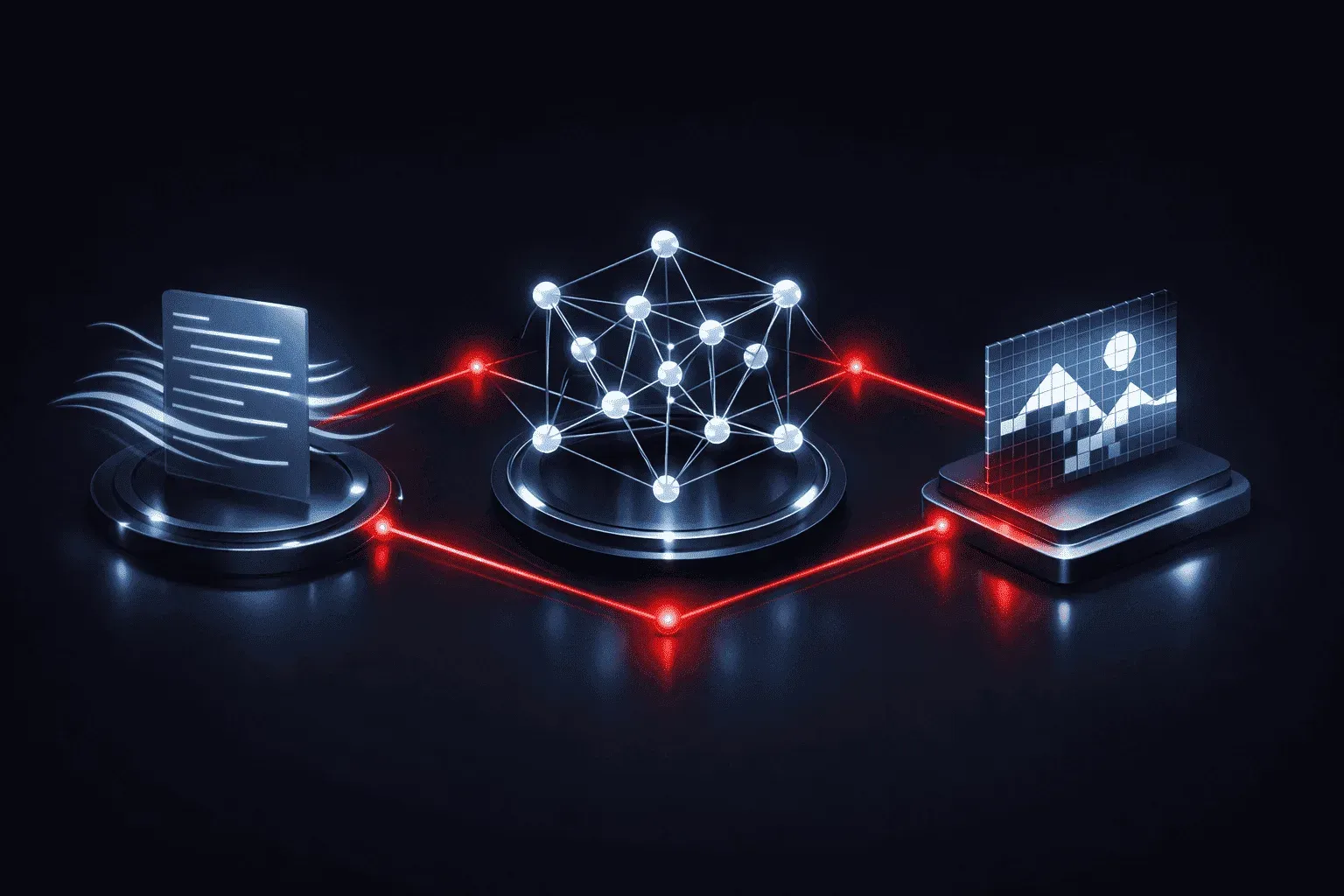
Generative AI has transformed how we interact with technology, but understanding the different types of generative AI models can feel overwhelming for newcomers. Let's break down the major families of generative AI models and explore what makes each one unique and powerful.
What Are Generative AI Models?
Generative AI models are machine learning systems designed to create new content that resembles their training data. Unlike traditional AI models that classify or predict, these models generate original text, images, code, audio, or other content types. Think of them as sophisticated pattern recognition systems that learn to produce new variations of what they've seen before.
The key characteristic that defines generative AI models is their ability to produce novel outputs rather than simply analyzing existing data. When you ask ChatGPT to write a poem or request DALL-E to create an image, you're witnessing generative AI in action.
Major Types of Generative AI Models
Large Language Models (LLMs)
Large Language Models represent the most widely recognized category of generative AI models. These systems excel at understanding and generating human-like text across numerous tasks.
Key characteristics:
- Trained on vast amounts of text data from books, articles, and web content
- Can perform tasks like writing, summarization, translation, and code generation
- Examples include GPT-4, Claude, Gemini, and open-source models like Llama
LLMs work by predicting the next word in a sequence, but this simple concept enables remarkably sophisticated outputs. They've become the backbone of AI assistants, content creation tools, and automated coding platforms.
Diffusion Models
Diffusion models have revolutionized image generation by learning to gradually remove noise from random data until clear, detailed images emerge.
How they work:
- Start with pure noise (random pixels)
- Gradually refine the image through multiple steps
- Each step removes a small amount of noise while adding meaningful detail
Popular examples include DALL-E 3, Midjourney, and Stable Diffusion. These models can create photorealistic images, artistic renderings, and even modify existing images based on text descriptions.
Generative Adversarial Networks (GANs)
GANs use a unique two-model approach where a generator creates content while a discriminator tries to detect fake content. This adversarial training process pushes both models to improve continuously.
The GAN process:
- Generator creates fake content (images, text, etc.)
- Discriminator attempts to distinguish real from fake content
- Both models improve through this competitive process
While newer diffusion models have largely superseded GANs for image generation, GANs remain valuable for specific applications like creating realistic faces or generating synthetic training data.
Multimodal Models
The latest evolution in generative AI combines multiple content types within single models. These systems can understand and generate text, images, audio, and video simultaneously.
Examples like GPT-4V (Vision), Gemini Pro, and Claude 3 can:
- Analyze images and generate descriptive text
- Create images based on text prompts
- Combine visual and textual information for complex reasoning
Understanding Model Capabilities
Each generative AI model family excels in specific domains. When choosing which type to use, consider your primary use case:
- Text generation and analysis: Large Language Models
- Image creation and editing: Diffusion models
- Synthetic data generation: GANs or diffusion models
- Cross-modal tasks: Multimodal models
Modern AI applications often combine multiple model types. For instance, a content creation platform might use an LLM to generate article text and a diffusion model to create accompanying images.
The Foundation of AI Innovation
Understanding these generative AI types provides the foundation for exploring more advanced concepts. Each model family represents different approaches to the same goal: creating new, useful content that serves human needs.
As these technologies continue evolving, we're seeing convergence toward more capable, general-purpose models that can handle multiple content types and complex reasoning tasks.
What's Next
Now that you understand the major types of generative AI models, our next post will dive deeper into how these models actually learn during training. We'll explore the training process, data requirements, and what makes some models more capable than others.