
Understanding Data Transformation in AI Agents
This post explains how AI agents handle data transformation within multi-step workflows, covering format conversion, extraction, enrichment, and structured output handling. It uses a practical support ticket example to show how data maps between agent steps. The post is aimed at IT professionals be

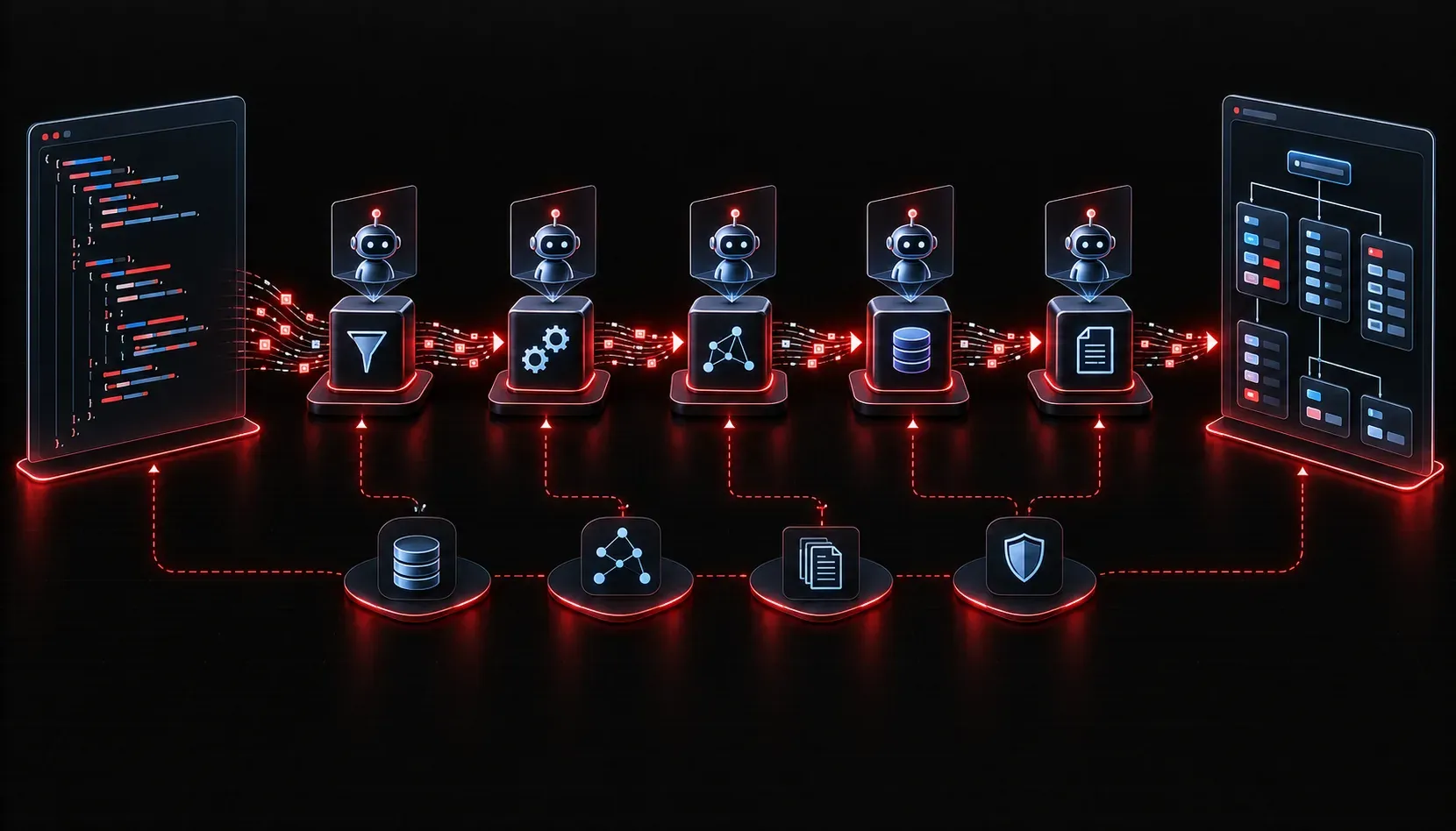
When you start building AI agents, one of the first challenges you hit is this: data rarely arrives in the format you need it. An API returns JSON, but your next step expects plain text. A user types a question in natural language, but your database needs a structured query. This gap between formats is where data transformation lives, and understanding it is essential for building reliable AI workflows.
What Is Data Transformation in AI Agents?
Data transformation in AI agents refers to the process of converting, reshaping, or reformatting information as it moves between steps in a workflow. Think of it as a series of handoffs. Each agent step receives input, does something useful with it, and then passes an output to the next step. If the output format does not match what the next step expects, the whole pipeline breaks.
This is not a new problem in software engineering. ETL (Extract, Transform, Load) pipelines have handled this for decades in data warehousing. In agentic AI, the same principle applies, but the transformation logic itself can now be handled by an LLM, which adds both flexibility and new complexity.
The Three Core Transformation Types
In practice, most data handling tasks in agentic AI fall into one of three categories:
- Format conversion: Changing the structure of data without changing its meaning. For example, converting a JSON object into a human-readable summary, or turning a plain-text log entry into a structured dictionary.
- Extraction: Pulling specific fields or values out of a larger dataset. An agent might receive a full customer record but only pass the email address and account number to the next step.
- Enrichment: Adding context or computed values to existing data. For example, an agent receives a raw IP address and appends geolocation data before passing it downstream.
Mapping Data Between Agent Steps
The concept of mapping is central to multi-step agentic workflows. Each step has expected inputs and defined outputs. When you design a workflow, you are essentially drawing a map: output field X from Step 1 becomes input field Y in Step 2.
Here is a simple example. Imagine a three-step agent workflow for processing a support ticket:
- Step 1 (Classify): Receives raw ticket text, outputs a category label like
"network_outage"and a priority score like2. - Step 2 (Lookup): Receives the category label, queries a knowledge base, and returns a list of relevant articles.
- Step 3 (Draft Reply): Receives the original ticket text plus the article list, generates a suggested reply.
Notice that Step 2 does not need the priority score, and Step 3 needs both the original text and the article list. Mapping ensures each step gets exactly what it needs, and nothing more. This is sometimes called schema alignment.
Structured Output Handling
One of the most practical skills in agentic AI is forcing an LLM to return structured output instead of free-form text. Most modern LLM APIs support this through mechanisms like JSON mode or function calling schemas.
For example, instead of asking a model to "describe the ticket," you instruct it to return a specific JSON structure:
{
  "category": "network_outage",
  "priority": 2,
  "summary": "User reports no internet connectivity since 14:00 UTC."
}
This predictable output makes the next transformation step trivial. Your code does not need to parse natural language; it just reads a dictionary key. Tools like Pydantic in Python and platforms like LangChain and LlamaIndex have built-in support for validating and enforcing these output schemas, catching errors before they cascade through your pipeline.
Why This Matters for IT Professionals
If you are integrating AI into IT operations workflows, such as incident response, network monitoring, or service desk automation, data transformation is the connective tissue that makes everything work. Sloppy data handling leads to silent failures where an agent produces output that looks correct but contains malformed fields that break the next step.
Getting deliberate about your data schemas from the start saves significant debugging time later. A few minutes spent defining your input and output contracts for each step is time very well spent.
What's Next
Now that you understand how data moves and transforms within an agent workflow, the next step is exploring how agents make decisions about which tool or step to invoke based on that data. In the next post, we will look at tool selection and routing logic inside agentic AI systems, including how LLMs evaluate available tools and choose the right action for the job.