
Understanding Security Architecture Models
An introduction to fundamental security architecture models including Bell-LaPadula, Biba, Clark-Wilson, and Zero Trust, explaining how each framework addresses different security priorities and when to apply them in real-world scenarios.

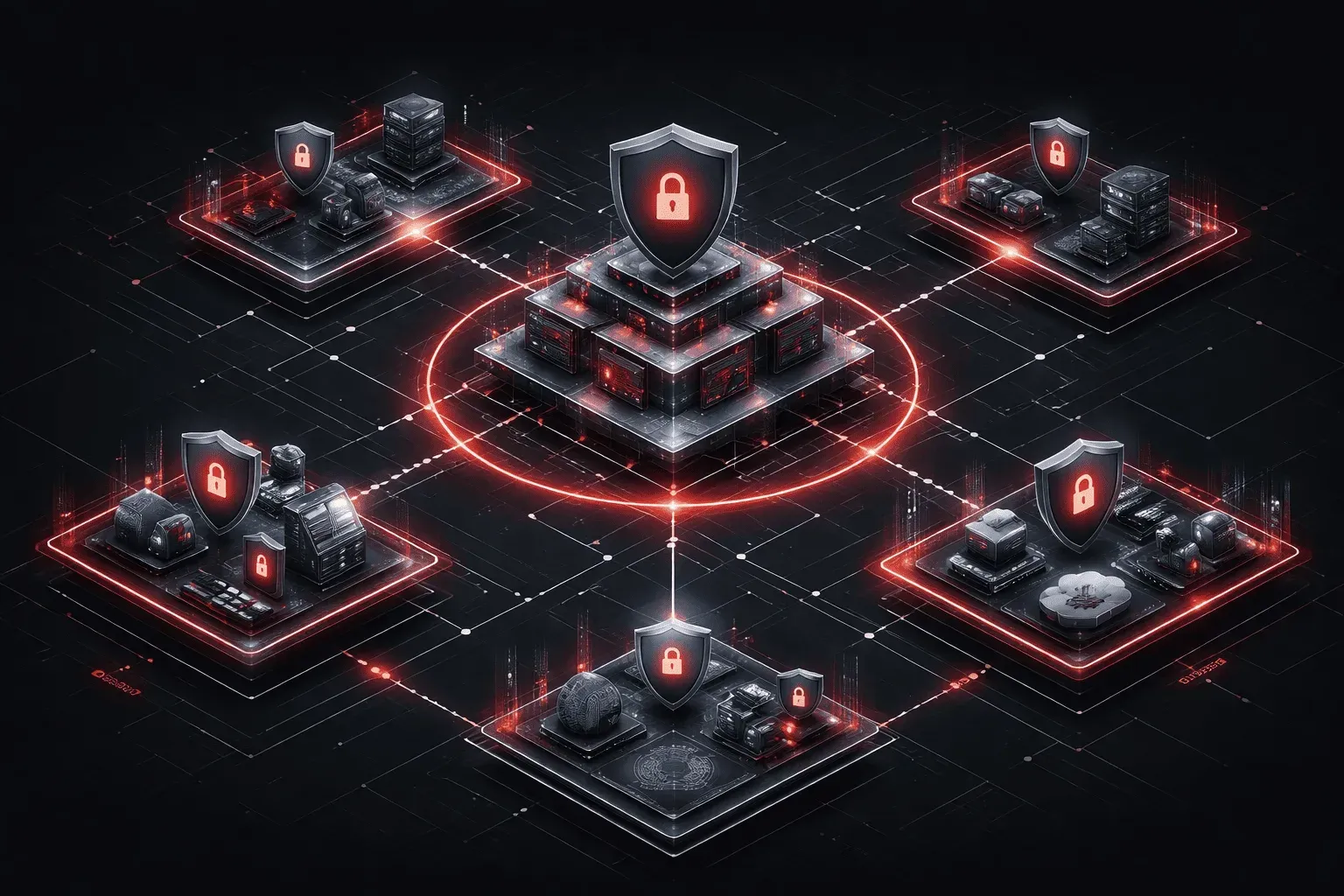
Security architecture models provide the foundational blueprints for designing secure systems and networks. Think of them as different approaches to building a fortress. Each model offers unique advantages and addresses specific security challenges. For Security+ candidates and security beginners, understanding these models is crucial because they influence every security decision in an organization.
What Are Security Architecture Models?
Security architecture models are structured frameworks that define how security controls, policies, and technologies work together to protect an organization's assets. These models guide architects and engineers in making consistent security decisions across complex IT environments.
The key benefit of using established security frameworks is consistency. Rather than reinventing security approaches for each project, organizations can leverage proven models that have been tested and refined over time.
Bell-LaPadula Model
The Bell-LaPadula model focuses on confidentiality and is built around two core principles:
- No Read Up: Subjects cannot read information at higher classification levels
- No Write Down: Subjects cannot write information to lower classification levels
This model works well in military and government environments where information classification is critical. For example, a user with "Secret" clearance cannot access "Top Secret" documents, and they cannot copy "Secret" information to an "Unclassified" system where unauthorized users might see it.
Biba Model
While Bell-LaPadula protects confidentiality, the Biba model prioritizes data integrity. It operates on opposite principles:
- No Read Down: Subjects cannot read lower integrity data
- No Write Up: Subjects cannot write to higher integrity levels
Think of a financial system where executives rely on reports from analysts. Under Biba, an executive (high integrity) shouldn't read unverified data from external sources (low integrity), as it might corrupt their decision-making process.
Clark-Wilson Model
The Clark-Wilson model takes a more practical approach to integrity, focusing on commercial applications. It introduces concepts like:
- Constrained Data Items (CDIs): Data that must maintain integrity
- Transformation Procedures (TPs): Programs that can modify CDIs
- Integrity Verification Procedures (IVPs): Programs that verify CDI integrity
This model maps well to business processes. For instance, in an accounting system, financial records are CDIs, the accounting software provides TPs for updates, and audit procedures serve as IVPs.
Zero Trust Architecture
Zero Trust represents a modern approach built on the principle "never trust, always verify." Unlike traditional perimeter-based security, Zero Trust assumes that threats exist both inside and outside the network.
Key Zero Trust principles include:
- Verify explicitly for every access request
- Use least-privilege access controls
- Assume breach and monitor continuously
In practical terms, this means every user, device, and application must authenticate and be authorized for each resource they access, regardless of their network location.
Architecture Comparison in Practice
When choosing between security frameworks, consider your organization's primary concerns:
- Government/Military: Bell-LaPadula for classified information
- Financial Services: Clark-Wilson for transaction integrity
- Healthcare: A combination of models for both confidentiality and integrity
- Modern Enterprises: Zero Trust for distributed, cloud-based environments
Many organizations implement hybrid approaches, combining elements from multiple models. For example, a healthcare system might use Bell-LaPadula concepts for patient privacy, Biba principles for medical data integrity, and Zero Trust architecture for network access controls.
Key Takeaways for Beginners
As you study these security architecture models, remember that they're not just theoretical concepts. Each model addresses real security challenges and influences how organizations design their security controls. Understanding when and why to apply each model will serve you well in both Security+ exam scenarios and real-world security implementations.
What's Next
Now that you understand the fundamental security architecture models, our next post will dive into implementing security controls within these frameworks, exploring how technical, administrative, and physical controls work together to create comprehensive security solutions.
Security+ study resources
- CompTIA Security+ Study Guide — Full SY0-701 exam coverage including threats, vulnerabilities, architecture, and operations.