
The Role of Computers and Mobile Devices in Networking
This post explains how computers and mobile devices function as network endpoints, covering their roles in network communication and the unique characteristics that make them essential components of modern networks.

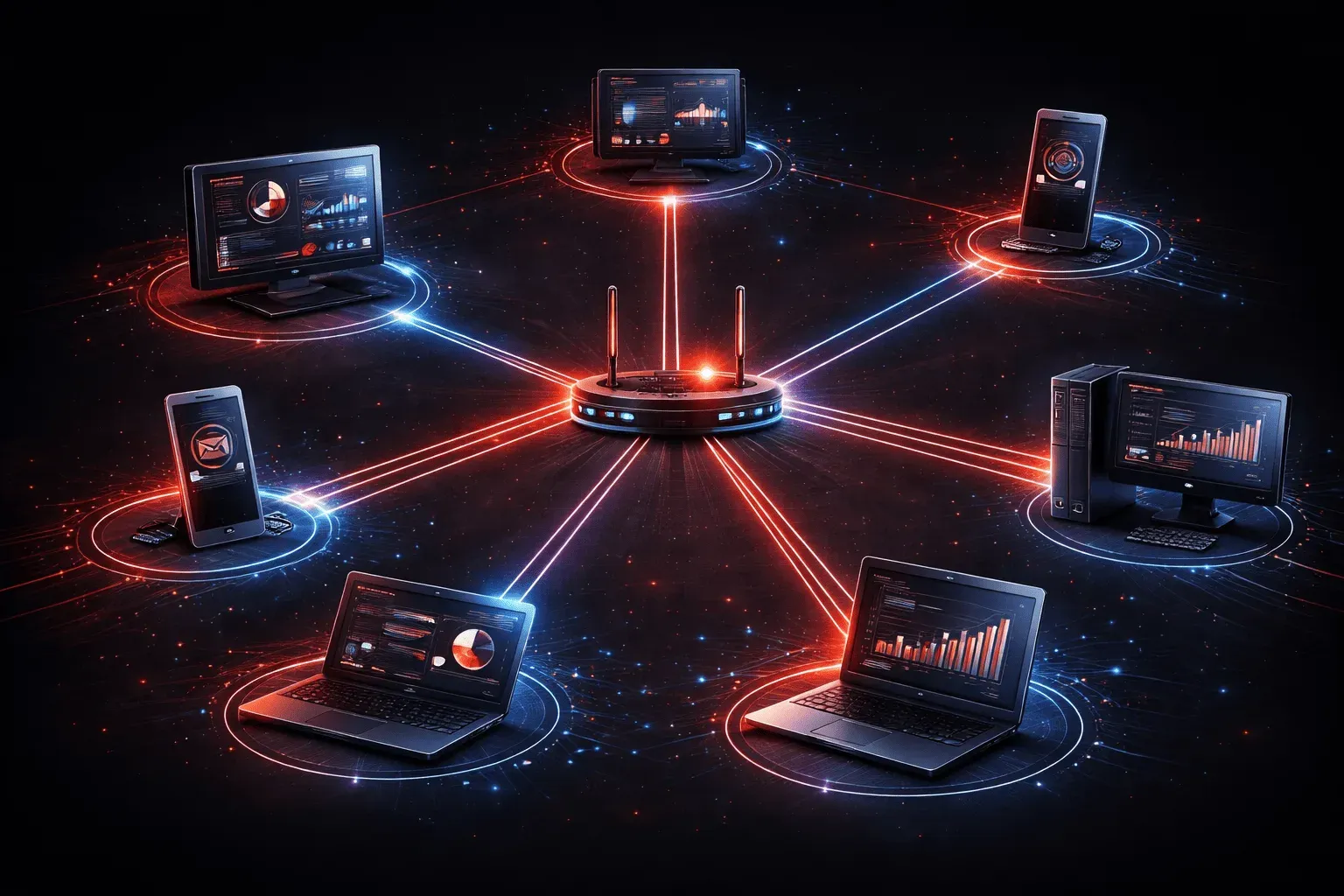
When we talk about networking, it's easy to get caught up in routers, switches, and complex protocols. But at the heart of every network are the devices we use every day: computers, smartphones, tablets, and laptops. These devices serve as endpoints, the starting and ending points of network communication.
What Are Network Endpoints?
Think of a network like a highway system. While routers and switches act as the roads and intersections, endpoints are like the houses and businesses where people actually live and work. An endpoint is any device that sends or receives data over a network. Your laptop checking email, your phone streaming music, or a tablet downloading an app, these are all examples of endpoints in action.
Computers and mobile devices are the most common endpoint types because they're where users interact with network services. Every time you open a web browser, send a text message, or download a file, your device is acting as a network endpoint.
How Computers Function as Network Endpoints
Desktop computers and laptops serve as powerful endpoints with several key characteristics:
- Multiple network interfaces: Most computers can connect via Ethernet cable (although most Laptops no longer come with Ethernet ports) or Wi-Fi, giving them flexibility in how they access the network
- Resource-intensive applications: They run software that requires significant network bandwidth, like video conferencing, file sharing, or cloud-based applications
- Always-on connectivity: Many computers maintain persistent network connections for background tasks like email sync or software updates
When you use ping google.com from your computer's command prompt, you're seeing your computer act as a network endpoint, initiating communication and receiving responses.
Mobile Devices: The New Network Majority
Smartphones and tablets have revolutionized networking by bringing unique endpoint characteristics:
Mobility: Unlike desktop computers, mobile devices move between different networks throughout the day. Your phone might connect to your home Wi-Fi, switch to cellular data while commuting, then join your office Wi-Fi network.
Battery considerations: Mobile devices optimize network usage to preserve battery life. They use techniques like connection pooling and background app restrictions that affect how they behave as endpoints.
Multiple radios: A typical smartphone contains Wi-Fi, cellular, Bluetooth, and sometimes NFC radios, making it a sophisticated multi-network endpoint.
Real-World Endpoint Behavior
Let's look at a practical example. When you stream a video on your phone:
- Your phone (the endpoint) requests video data from a streaming server
- The network infrastructure routes that request through various switches and routers
- The server responds by sending video data back to your specific device
- Your phone receives, processes, and displays the content
This entire process happens because your mobile device knows how to properly identify itself on the network using its IP address and communicate using standard network protocols.
Endpoint Security and Management
Because computers and mobile devices are where users interact with sensitive data, they represent both opportunities and risks in network security. These endpoints often store credentials, access confidential information, and can become entry points for security threats.
Network administrators must consider endpoint behavior when designing networks. They need to account for the bandwidth requirements of video calls, the security implications of personal mobile devices, and the support requirements for various operating systems and device types.
What's Next
Now that we understand how computers and mobile devices function as basic endpoints, we'll explore more specialized network endpoints. In our next post, we'll examine IP phones and how Voice over IP (VoIP) technology transforms voice communication into network data, adding another layer to endpoint functionality in modern networks.