
What Are Essential Security Principles?
This post introduces the essential security principles that form the foundation of cybersecurity, including the CIA Triad and supporting concepts like least privilege and defense in depth. It connects these principles to real-world online safety scenarios to help beginners understand why they matte

If you've ever wondered why cybersecurity matters or where to even begin learning about it, you're in the right place. Before diving into firewalls, encryption, or threat detection, every learner needs to build a solid foundation. That foundation starts with understanding essential security principles: the core ideas that guide how we protect information, systems, and people in a connected world.
Why Security Principles Matter
Think of security principles like the rules of the road. You can learn to drive without them, but eventually something goes wrong. The same applies to cybersecurity. Without guiding principles, security decisions become inconsistent, incomplete, and easy to exploit.
The security importance of these principles cannot be overstated. Every major data breach, ransomware attack, and phishing campaign succeeds because somewhere, a core principle was overlooked or misunderstood. Understanding these fundamentals gives you a framework for thinking about security in any situation, whether you're setting up a home network or analyzing a corporate security policy.
The CIA Triad: The Foundation of Cybersecurity Basics
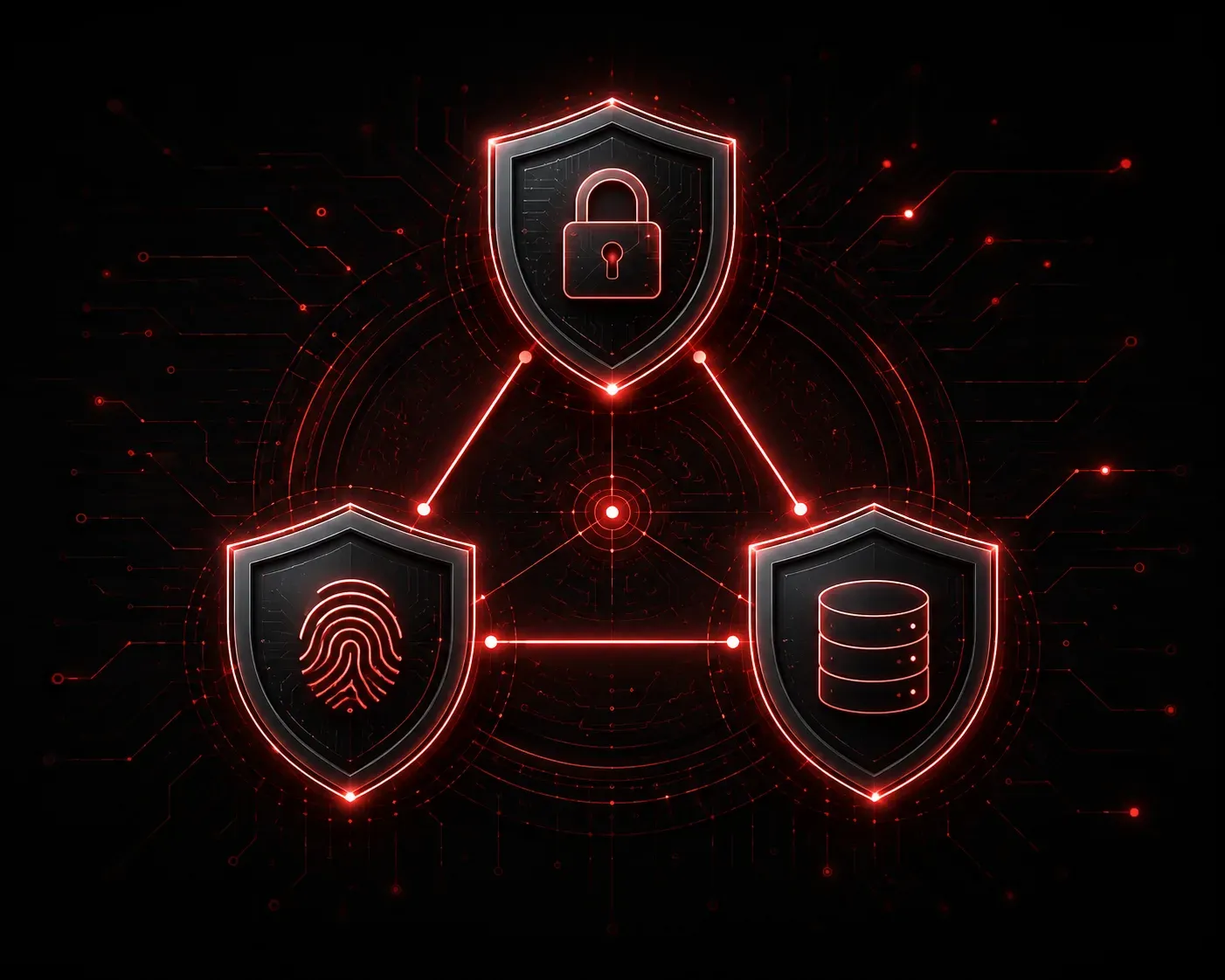
The most widely recognized model in cybersecurity is the CIA Triad. No, not the intelligence agency. This stands for Confidentiality, Integrity, and Availability. These three principles define what "secure" actually means.
Confidentiality
Confidentiality means that information is accessible only to those who are authorized to see it. When you log into your bank account, confidentiality ensures that only you (and the bank) can view your balance. Encryption, access controls, and authentication mechanisms all support confidentiality.
Integrity
Integrity means that data is accurate and has not been tampered with. If someone intercepts a file transfer and changes the contents without detection, integrity has been violated. Hashing algorithms and digital signatures are common tools used to verify integrity.
Availability
Availability means that systems and data are accessible when authorized users need them. A denial-of-service attack, a hardware failure, or even a misconfigured firewall can all undermine availability. Redundancy, backups, and failover systems help maintain it.
Together, these three principles form the lens through which every security decision should be evaluated. When assessing a risk or choosing a control, always ask: does this protect confidentiality, integrity, and availability?
Additional Principles Worth Knowing
While the CIA Triad is central, a few other essential security principles round out your foundational knowledge.
- Authentication: Verifying that someone or something is who they claim to be. A username and password is a basic example; multi-factor authentication adds extra layers.
- Authorization: Determining what an authenticated user is allowed to do. Just because you can log in doesn't mean you should have access to everything.
- Non-repudiation: Ensuring that someone cannot deny having performed an action. Digital signatures and audit logs support this principle in legal and compliance contexts.
- Least Privilege: Giving users and systems only the minimum access they need to do their job. This limits the damage if an account is compromised.
- Defense in Depth: Layering multiple security controls so that if one fails, others are still in place. No single tool or policy is enough on its own.
Connecting Principles to Online Safety
These aren't just abstract concepts. They show up in everyday online safety decisions. When a website asks you to verify your email before logging in, that's authentication. When your employer restricts which folders you can access on a shared drive, that's least privilege. When a service keeps encrypted backups of your data, that's availability and confidentiality working together.
Understanding why these controls exist, not just that they exist, is what separates someone who follows security rules from someone who can design and defend them.
What's Next
Now that you have a solid grasp of the essential security principles, the next step is understanding the types of threats these principles are designed to defend against. In the next post, we'll look at common threat categories, including malware, social engineering, and insider threats, so you can start recognizing risk before it becomes a problem.