
Understanding Agentic AI: Practical Applications for IT Professionals
This post explains the key differences between generative and agentic AI, breaking down what makes agentic systems unique and why they matter for IT professionals. It covers practical agentic AI applications including incident triage, network auditing, and security research. The post gives learners

If you have spent any time experimenting with tools like ChatGPT or Claude, you already have a feel for generative AI. You ask a question, you get an answer. It is reactive, responsive, and genuinely useful. But there is a growing category of AI that works differently, and understanding it could change how you think about automation in your day-to-day IT work. That category is agentic AI.
Generative AI vs. Agentic AI: What Is the Difference?
Generative AI is fundamentally a question-and-answer system. You provide a prompt, the model generates a response, and the interaction ends there. The AI has no memory of previous sessions (unless explicitly given one), takes no independent action, and does not pursue goals over time.
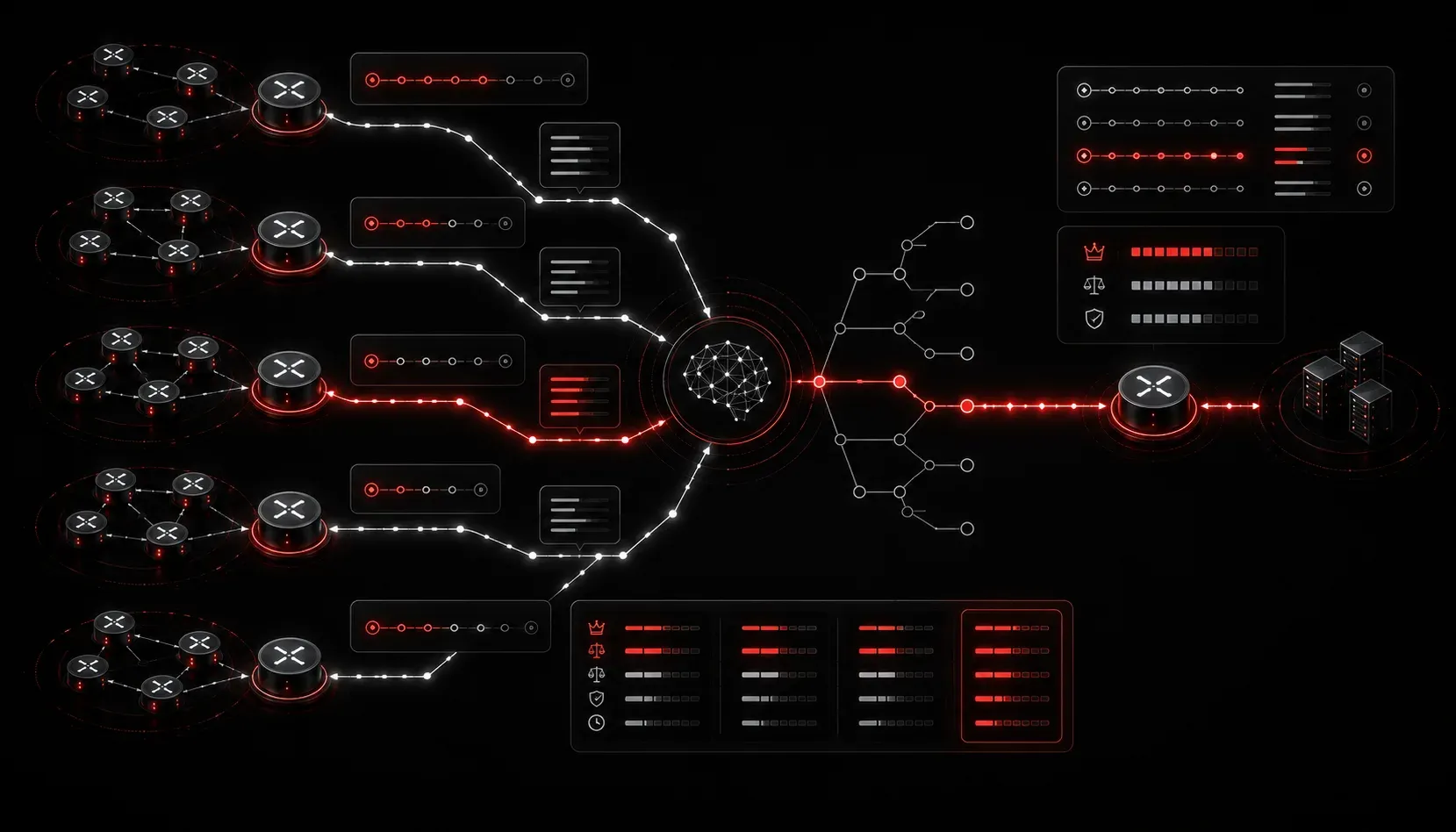
Agentic AI flips that model. Instead of waiting for a single prompt, an agentic AI system is given a goal and then figures out the steps needed to reach it. It can call tools, browse the web, write and execute code, store information between steps, and loop back to check its own work. Think of it less like a smart search engine and more like a junior colleague who can be handed a task and trusted to see it through.
The key characteristics that define agentic AI applications include:
- Autonomy: the system acts without requiring a human prompt at each step
- Tool use: it can interact with external systems, APIs, and data sources
- Memory: it retains context across multiple steps in a workflow
- Goal orientation: it plans and adjusts its approach to reach a defined outcome
Where Generative AI Still Wins
Before diving into agentic AI examples, it is worth being clear about where generative AI is still the right choice. If you need a quick summary, a draft email, an explanation of a config command, or a code snippet, a standard generative AI tool is faster and simpler. There is no need to build an agent for tasks that a single well-crafted prompt can handle.
Use generative AI when:
- The task is self-contained and needs one output
- Speed and simplicity matter more than depth
- No external systems need to be queried or modified
Agentic AI in IT: Practical Use Cases
This is where things get exciting for IT professionals. Agentic AI applications are particularly well-suited to the kinds of multi-step, tool-heavy workflows that are common in infrastructure, security, and operations work.
Automated Incident Triage
An agentic system can monitor alert feeds, pull relevant logs, cross-reference known issue databases, attempt basic remediation steps, and escalate with a full summary if it cannot resolve the issue. This is a workflow that would normally require a human to jump between five different tools.
Network Configuration Auditing
Rather than simply generating a config template, an agentic AI can connect to your network inventory, pull device configurations via API or SSH, compare them against a compliance baseline, and produce a prioritized remediation report. Practical AI use at this level compresses hours of manual work into minutes.
Onboarding and Documentation Workflows
Give an agent access to your ticketing system, HR platform, and Active Directory, and it can walk through a multi-step onboarding checklist autonomously: creating accounts, assigning permissions, sending welcome communications, and logging each completed action.
Security Threat Research
An agent can be tasked with researching a specific CVE, pulling data from the National Vulnerability Database, checking whether your environment uses the affected software versions, and drafting a risk summary, all without a human initiating each individual step.
A Simple Mental Model
When deciding which approach to use, ask yourself one question: Does this task require more than one step and access to more than one system? If yes, you are looking at a candidate for an agentic AI workflow. If no, a generative AI prompt will serve you better and faster.
Agentic AI is not smarter than generative AI in a raw capability sense. It is structured differently to take action over time, which makes it suited to a different class of problems.
What's Next
Now that you understand what sets agentic AI apart, the next step is understanding the architecture behind it. In the next post, we will break down the core components of an agentic system: the reasoning loop, memory types, and how tool use actually works under the hood. That foundation will make the hands-on content much easier to follow when we start building.