
AI-Powered Network Monitoring: A Comparison of Top Tools
This post compares top AI-powered network monitoring tools including Datadog, Cisco ThousandEyes, Auvik, and Kentik. It covers what genuinely qualifies as AI-driven monitoring and offers practical guidance for choosing the right tool based on your environment and team size.

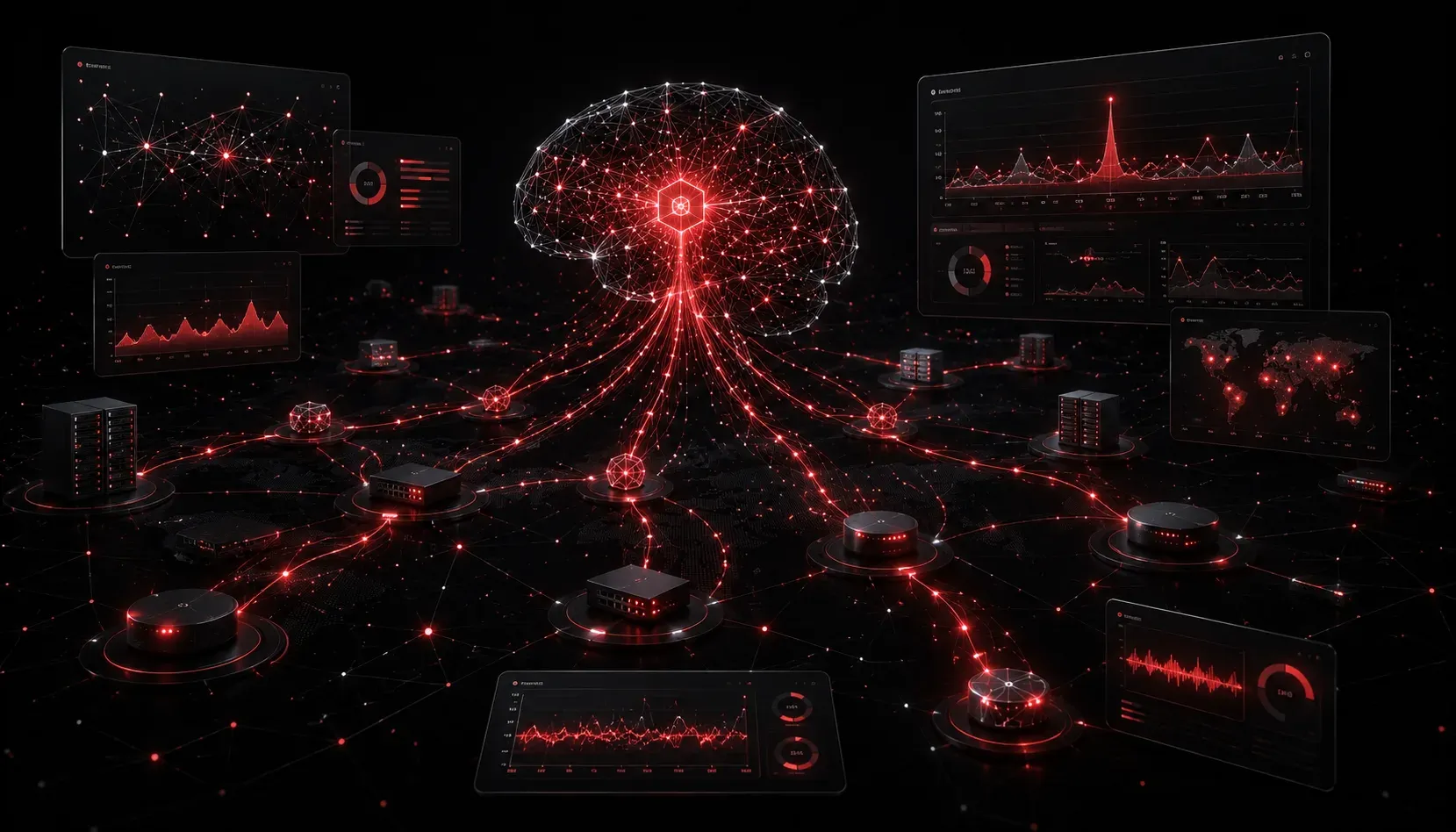
Network monitoring has always been one of those necessary but tedious parts of IT operations. You set up alerts, watch dashboards, chase down false positives, and still sometimes miss the thing that actually matters. AI-powered network monitoring tools are changing that workflow in meaningful ways, and if you haven't evaluated what's available recently, you might be surprised by how far these tools have come.
This post walks through several of the top AI network monitoring solutions available today, with practical notes on where each one shines and where it falls short. The goal is to help you make a more informed decision rather than just buying whatever shows up first in a Google ad.
What Makes a Network Monitoring Tool "AI-Powered"?
Before comparing tools, it's worth being clear about what "AI" actually means in this context. Marketing teams love slapping the AI label on anything with a threshold alert. Genuine AI network monitoring tools typically offer:
- Anomaly detection: Identifying unusual traffic patterns without requiring you to manually define every threshold
- Root cause analysis: Correlating events across devices and services to pinpoint the actual source of a problem, not just the symptom
- Predictive insights: Flagging trends that suggest a failure or capacity issue before it becomes an outage
- Natural language interfaces: Letting you query your network data in plain English instead of custom query syntax
Keep that checklist in mind as we go through the tools below.
Tool Comparisons
Datadog with NPM and AI Correlations
Datadog's Network Performance Monitoring module is one of the most mature options on the market. Its AI features focus heavily on anomaly detection and alert correlation. When multiple services start throwing errors simultaneously, Datadog does a solid job of grouping related alerts and surfacing a likely root cause rather than flooding your inbox.
The learning curve is real, especially around tagging and getting your data model set up correctly. But once it's dialed in, the signal-to-noise ratio improves noticeably compared to traditional threshold-based monitoring. Datadog is a strong choice for teams already invested in cloud infrastructure and DevOps workflows.
Cisco ThousandEyes
ThousandEyes takes a different angle. It focuses on visibility across the internet and cloud paths that you don't own or control. Its AI capabilities help identify whether a performance issue is happening inside your network, at your ISP, or somewhere deeper in the cloud provider's infrastructure.
For organizations with distributed users, SaaS dependencies, or remote workforces, ThousandEyes provides a level of visibility that traditional tools simply can't match. It's particularly useful when you're troubleshooting something like "Teams calls are bad for users in our Chicago office" and you need to know whether the problem is local, regional, or upstream.
Auvik
Auvik is popular with managed service providers and smaller IT teams. It handles network discovery, topology mapping, and monitoring with a relatively low setup overhead. Its AI features are more modest than Datadog or ThousandEyes, but it surfaces useful traffic insights and flags configuration changes automatically.
If you're a small team managing multiple client environments, Auvik's multi-tenant design and automated documentation features are genuinely useful. It's not going to do deep predictive analytics, but it punches above its weight for day-to-day visibility.
Kentik
Kentik is built around network telemetry at scale. It ingests flow data, BGP data, and streaming telemetry from routers and switches, then applies ML-driven analysis to identify traffic anomalies, DDoS patterns, and peering inefficiencies. The natural language query interface, Kentik AI, lets you ask questions like "show me top talkers on my edge routers over the last 6 hours" without writing custom queries.
Kentik is best suited for larger environments: carriers, enterprises with significant WAN traffic, or teams doing serious network capacity planning.
Choosing the Right Tool
There's no single winner here. The right tool depends on your environment size, budget, and the specific problems you're trying to solve. A quick decision guide:
- Cloud-native, DevOps-heavy environment: Look at Datadog
- Visibility into internet and SaaS paths: ThousandEyes is purpose-built for this
- MSP or small IT team: Auvik gives you strong fundamentals without the complexity
- Large-scale flow analysis and telemetry: Kentik is the specialist here
Most of these tools offer free trials. It's worth spinning one up in your environment for two to four weeks before committing, because the real test is always how a tool behaves with your specific traffic patterns and infrastructure.
What's Next
Now that you have a sense of what these tools can do, the next natural step is understanding how to get more out of them using AI assistants and automation. In the next post, we'll look at how IT professionals are using tools like ChatGPT and Claude to write monitoring queries, generate alert runbooks, and speed up incident response workflows.