
AI-Powered Network Monitoring: Tools and Techniques
AI network monitoring transforms traditional reactive monitoring into intelligent, predictive systems that learn network patterns and detect anomalies before they become problems. This guide covers key tools like Cisco DNA Center, SolarWinds NPM, and open-source solutions, plus implementation strat

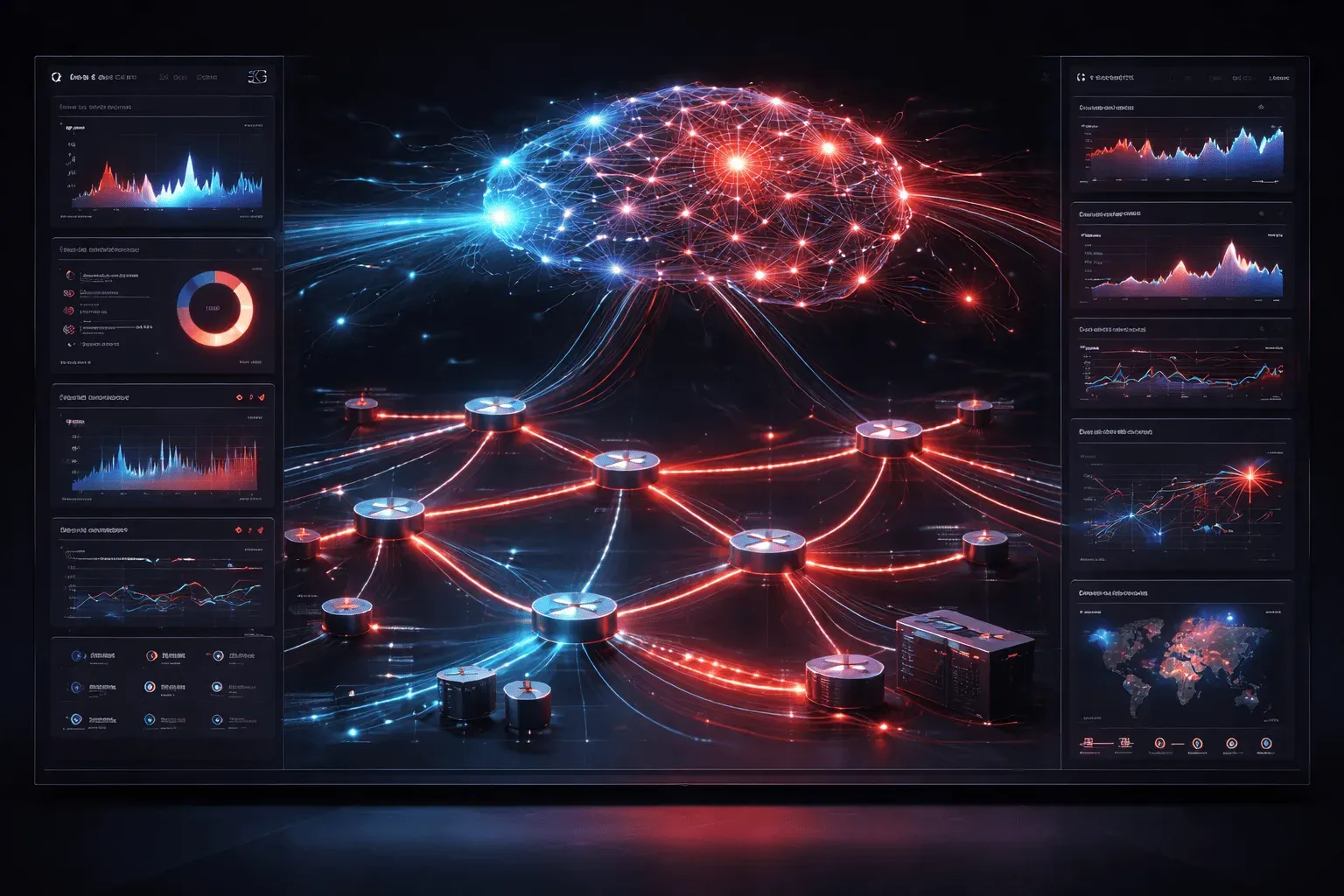
Traditional network monitoring relies on static thresholds and reactive alerts, often overwhelming IT teams with false positives or missing subtle anomalies. AI network monitoring transforms this approach by introducing intelligent pattern recognition, predictive analytics, and automated response capabilities that revolutionize how we manage network infrastructure.
Understanding AI-Enhanced Network Monitoring
AI network monitoring leverages machine learning algorithms to analyze network traffic patterns, device behavior, and performance metrics continuously. Unlike traditional monitoring that simply checks if values exceed predefined thresholds, AI systems learn what "normal" looks like for your specific environment and detect deviations that might indicate problems.
These systems excel at identifying subtle anomalies that rule-based monitoring might miss. For example, a gradual increase in latency over several weeks might not trigger traditional alerts but could indicate an emerging capacity issue that AI monitoring would flag early.
Key AI-Powered Network Monitoring Tools
Commercial Solutions
SolarWinds NPM with SWQL incorporates AI-driven root cause analysis and predictive alerting. It uses machine learning to correlate events across your infrastructure and reduce alert noise by up to 90%.
Cisco DNA Center provides AI-powered network assurance with its Network Data Platform. It analyzes telemetry data from network devices to predict failures and optimize performance automatically.
Juniper Mist AI offers cloud-native AI operations that provide insights into user experience, automatically optimize wireless networks, and troubleshoot connectivity issues through natural language queries.
Open Source and Hybrid Approaches
Prometheus with AI Extensions can be enhanced with tools like prometheus-ai-ml for anomaly detection. Combined with Grafana's machine learning plugins, this creates a powerful AI-enhanced monitoring stack.
ELK Stack with Elastic Machine Learning processes network logs and metrics through built-in ML algorithms to detect unusual patterns and automate threat detection.
Implementation Strategies
Start with Data Collection
Effective AI monitoring requires quality data. Configure your network devices to send comprehensive telemetry:
! Cisco example for enhanced telemetry
telemetry ietf subscription 100
 encoding encode-kvgpb
 filter xpath /interfaces-ios-xe-oper:interfaces/interface/statistics
 source-address 10.1.1.1
 stream yang-push
 update-policy periodic 6000
 receiver ip address 10.2.2.100 port 57400 protocol grpc-tcp
This configuration enables streaming telemetry that provides the granular data AI systems need for accurate analysis.
Baseline Establishment
Most AI monitoring tools require a learning period to establish baselines. Plan for 2-4 weeks of normal operations before relying on AI-generated alerts. During this period, maintain your existing monitoring as a backup.
Integration with Existing Tools
AI monitoring works best when integrated with your current IT strategies. Use APIs to connect AI insights with your ticketing system, configuration management tools, and incident response workflows.
Benefits and Monitoring Techniques
Predictive Maintenance: AI algorithms analyze device health metrics to predict hardware failures before they occur. This proactive approach reduces unplanned downtime significantly.
Dynamic Threshold Adjustment: Instead of static thresholds, AI systems adjust alert parameters based on historical patterns, time of day, and seasonal variations.
Correlation Analysis: AI excels at connecting seemingly unrelated events across your infrastructure, helping identify root causes faster than traditional monitoring techniques.
Natural Language Queries: Modern AI network monitoring tools allow you to ask questions like "What caused the slowdown in Building A yesterday?" and receive intelligent, contextual answers.
What's Next
Once you've implemented basic AI monitoring, the next step is exploring automated remediation capabilities. In our next post, we'll dive into AI-powered network automation tools that can automatically respond to detected issues, from rerouting traffic around congested links to automatically provisioning resources during demand spikes.