
What Are Endpoint Devices in Networking?
Endpoint devices are the participants in network communication, including computers, mobile devices, servers, IP phones, printers, and IoT devices. Each type serves a specific purpose and has unique network requirements and traffic patterns.

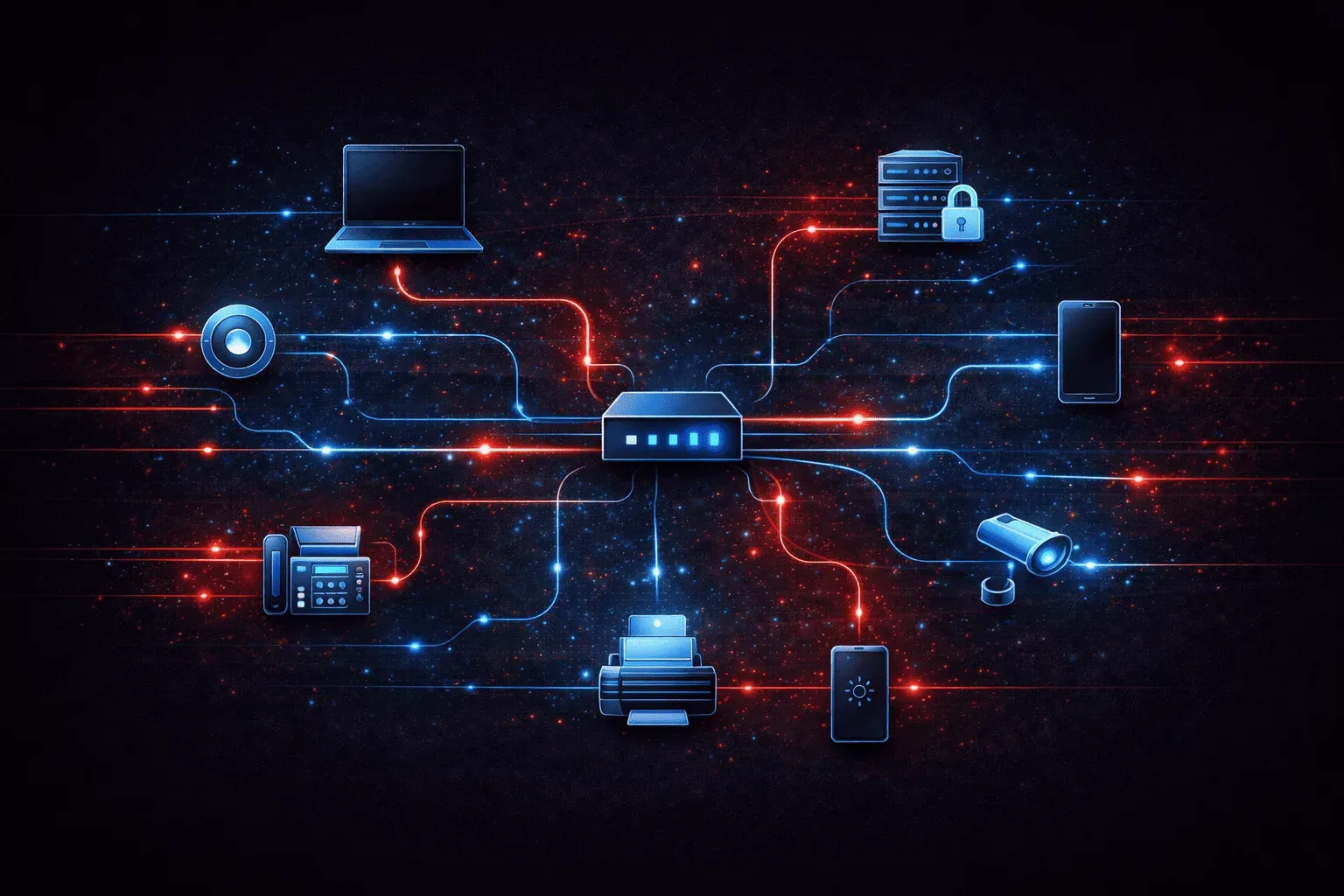
In networking, an endpoint device is any device that sits at the "end" of a network connection and either sends or receives data. Think of endpoints as the participants in a network conversation; they're the devices that actually use the network to accomplish tasks, rather than just passing data along like switches and routers do.
Understanding endpoint devices is crucial because they represent the reason networks exist in the first place. Every network is built to connect these devices so they can communicate and share resources.
Common Types of Endpoint Devices
Computers and Mobile Devices

Desktop computers, laptops, smartphones, and tablets are the most familiar endpoint devices. When you browse the web on your phone or send an email from your laptop, you're using these devices as network endpoints. Each device gets an IP address (either manually assigned or through DHCP) and uses that address to communicate with other devices on the network.
These devices typically run multiple applications that need network access simultaneously. Your laptop might be downloading email, streaming music, and backing up files to the cloud all at the same time.
Servers

Servers are specialized computers that provide services to other endpoint devices. A web server hosts websites, a file server stores shared documents, and an email server handles messaging. While servers are endpoints themselves, they're unique because they primarily respond to requests from other endpoints rather than initiating conversations.
For example, when you visit a website, your computer (endpoint) sends a request to a web server (another endpoint), which responds with the webpage data.
IP Phones
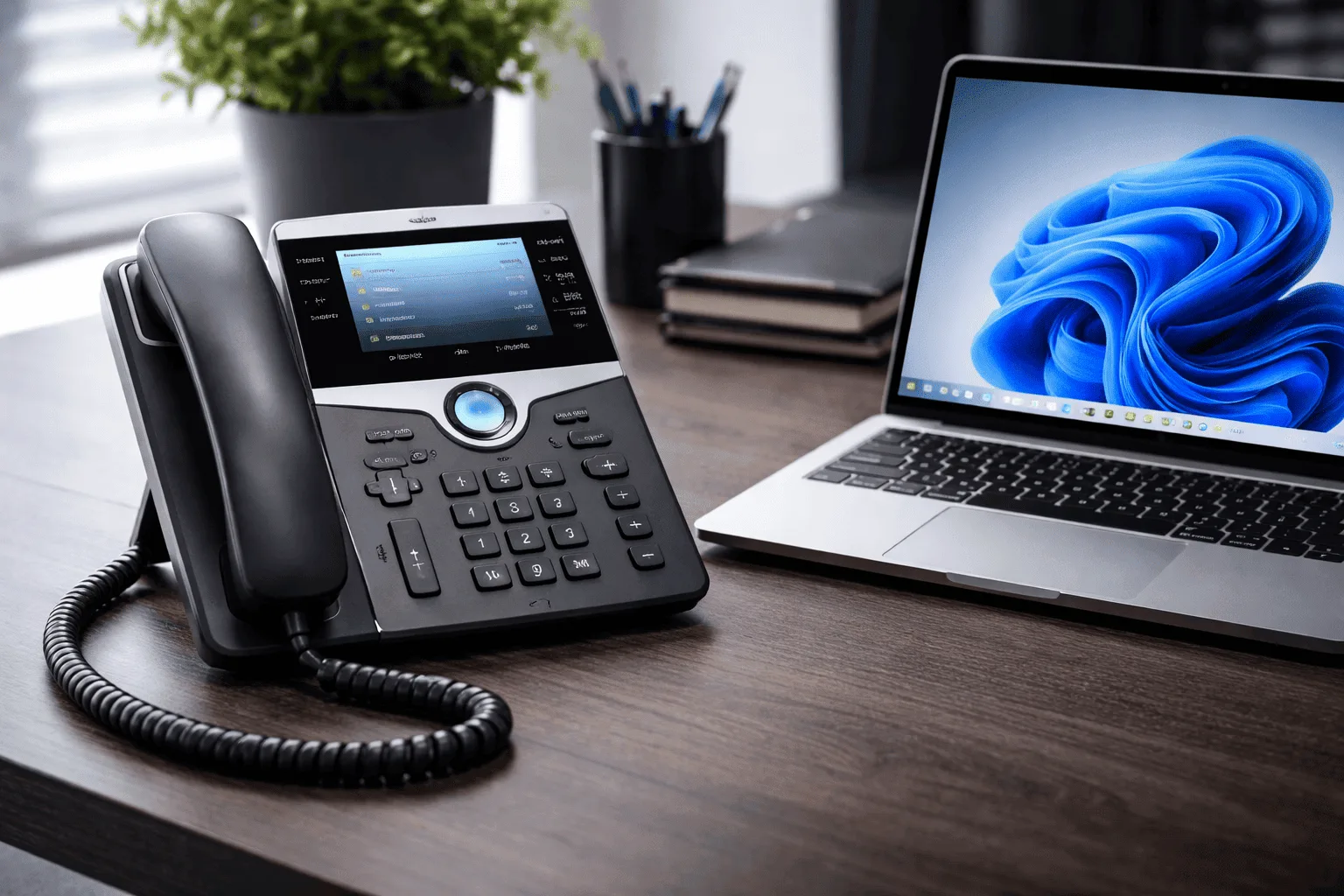
IP phones use the network to make voice calls instead of traditional phone lines. These devices convert your voice into digital packets, send them across the network, and convert them back to audio on the receiving end. Modern businesses often use IP phone systems because they integrate easily with existing computer networks and offer advanced features like voicemail-to-email.
Network Printers

Modern printers connect directly to networks, allowing multiple users to print without connecting cables to individual computers. A network printer gets its own IP address and appears as a shared resource that any authorized device can use. This makes office printing much more efficient than having separate printers for each computer.
IoT Devices and Their Network Role
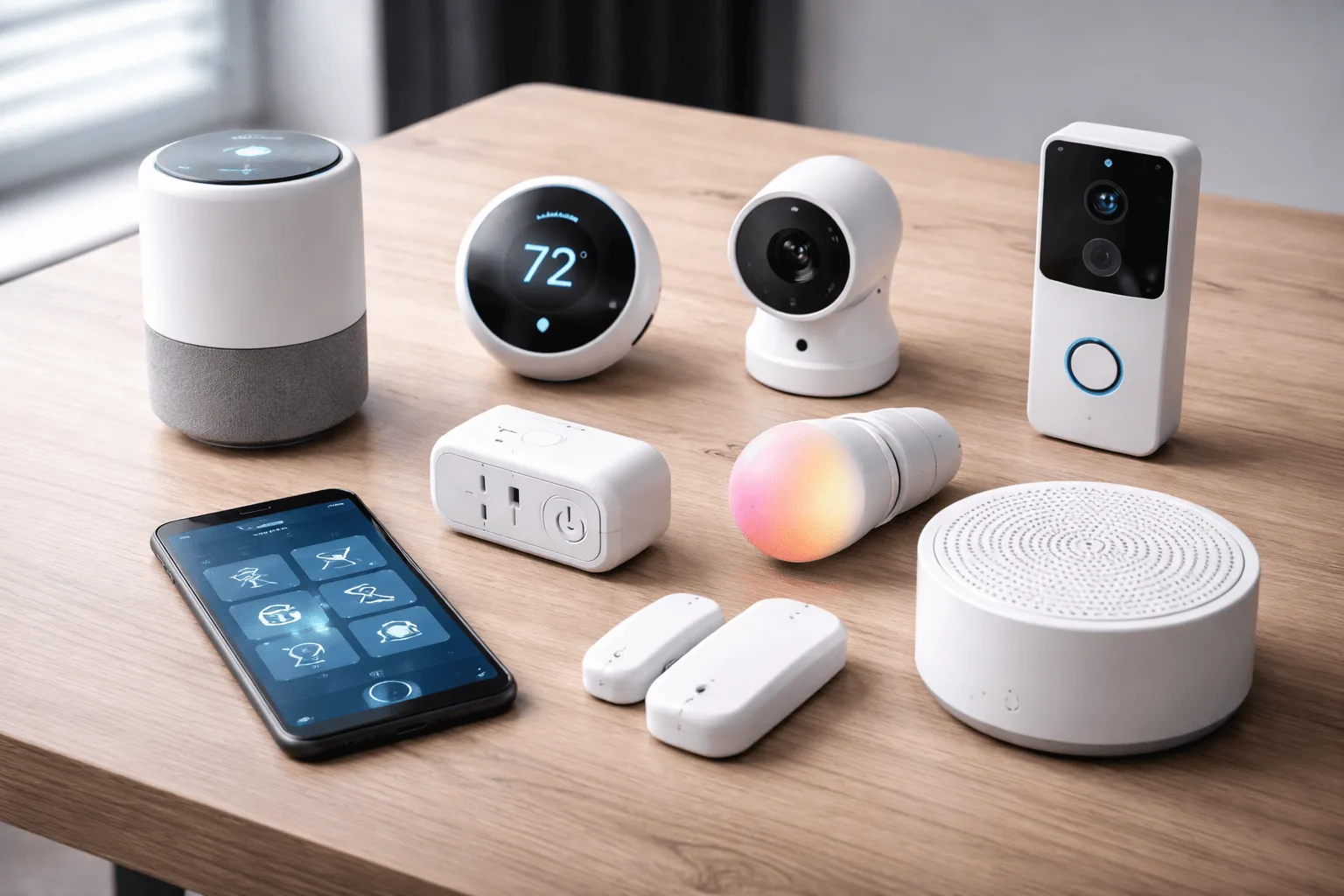
Internet of Things (IoT) devices are rapidly becoming the largest category of network endpoints. These include smart thermostats, security cameras, smart speakers, fitness trackers, and industrial sensors. Each IoT device typically has a specific purpose and communicates with either other local devices or cloud-based services.
For instance, a smart thermostat might connect to your home Wi-Fi to receive weather updates and allow remote control through a smartphone app. Security cameras send video streams to recording devices or cloud storage. The IoT role in networking is expanding rapidly as more everyday objects gain network connectivity.
Why Endpoint Classification Matters
Understanding endpoint devices helps network administrators in several ways:
- Security planning: Different endpoints have different security requirements and vulnerabilities
- Bandwidth allocation: Video streaming devices need more bandwidth than IoT sensors
- Network segmentation: IoT devices are often placed on separate network segments for security
- Troubleshooting: Knowing device types helps diagnose connectivity issues
Endpoint Behavior in Networks
All endpoint devices share some common networking behaviors. They need IP addresses to communicate, they generate and consume network traffic, and they participate in network protocols like DHCP for address assignment and DNS for name resolution.
However, their traffic patterns differ significantly. A laptop might generate bursts of high-bandwidth activity when downloading files, while an IoT temperature sensor might send tiny data packets once per hour. This diversity is what makes network design challenging and interesting.
What's Next
Now that you understand what endpoint devices are and their roles in networking, the next step is exploring the network infrastructure devices that connect these endpoints together. In our next post, we'll dive into switches, routers, and access points — the devices that make endpoint communication possible.
CCST Networking study resources
- Cisco Certified Support Technician CCST Networking 100-150 Official Cert Guide — The only Cisco-approved study guide for the CCST Networking exam. Perfect first step into network engineering.