
Automation vs Orchestration: What's the Difference?
Explains the key differences between security automation and orchestration, helping beginners understand when to use each approach in security operations for individual tasks versus coordinated workflows.

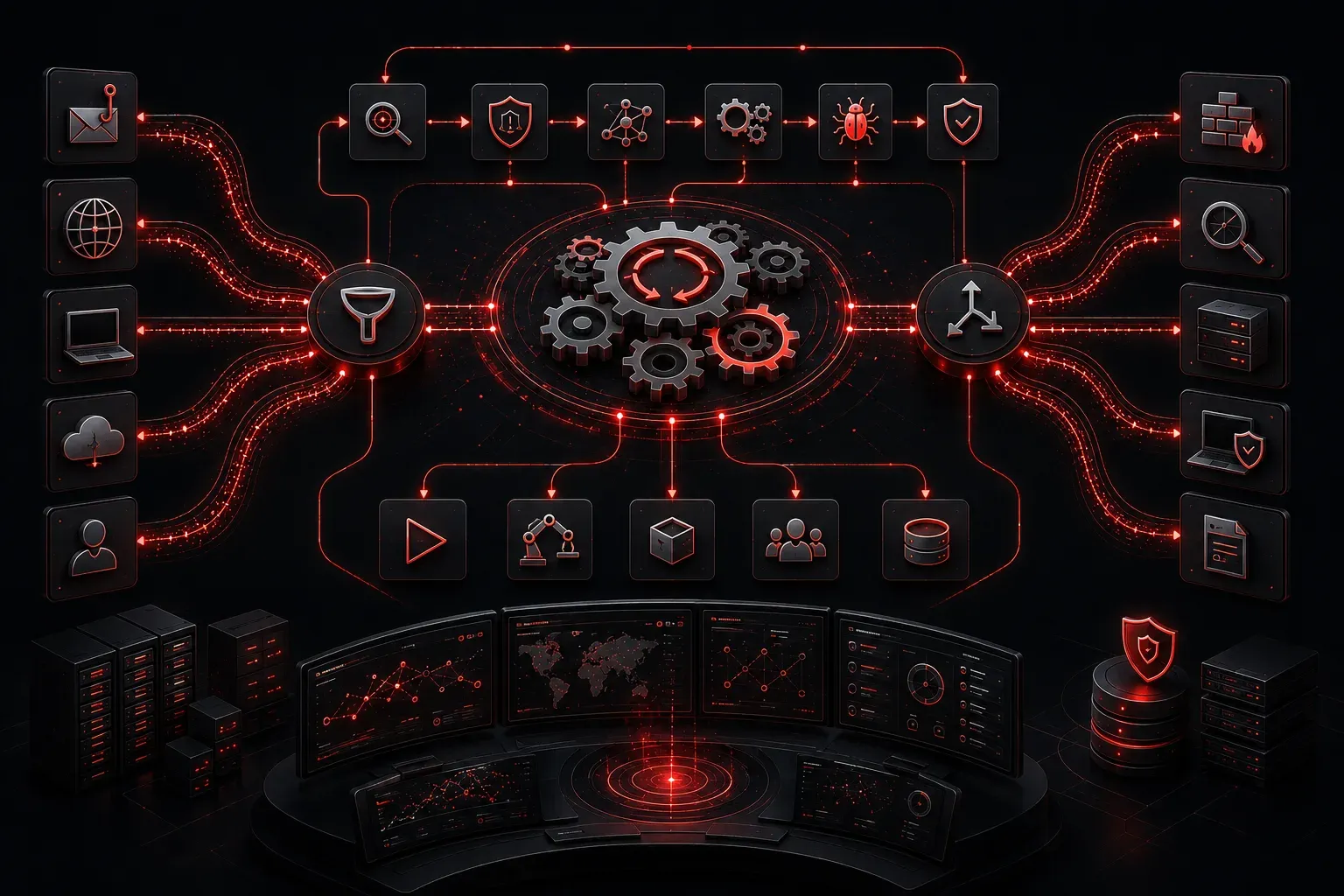
When diving into security operations, you'll quickly encounter two terms that often get mixed up: automation and orchestration. While they're closely related and frequently work together, understanding the automation vs orchestration difference is crucial for anyone preparing for Security+ or working in cybersecurity.
Think of it this way: if automation is a single smart appliance in your home, orchestration is the smart home system that coordinates all your appliances to work together seamlessly.
What is Security Automation?
Automation focuses on taking individual, repetitive tasks and making them happen automatically without human intervention. In security operations, automation tackles specific, well-defined processes that follow predictable patterns.
Common security automation examples include:
- Automatic patch deployment: Systems that download and install security updates on a scheduled basis
- Log analysis: Tools that automatically parse security logs and flag suspicious entries
- Vulnerability scanning: Automated tools that regularly scan networks for known vulnerabilities
- Password policy enforcement: Systems that automatically enforce password complexity requirements
- Incident ticket creation: Automatic generation of support tickets when security alerts trigger
The key characteristic of automation is that it handles one thing at a time. Each automated process operates independently, following its programmed logic to complete a specific task.
What is Security Orchestration?
Orchestration takes automation to the next level by coordinating multiple automated processes and systems to work together toward a common goal. It's the conductor who ensures all the individual instruments (automated tools) play in harmony.
Security orchestration typically involves:
- Workflow management: Defining the sequence and conditions for when different automated tools should run
- Data correlation: Combining information from multiple security tools to create a complete picture
- Decision-making logic: Determining which automated responses to trigger based on specific conditions
- Integration management: Ensuring different security tools can communicate and share data effectively
For example, when a potential security incident occurs, orchestration might automatically:
- Collect logs from multiple systems
- Cross-reference threat intelligence databases
- Determine the severity level
- Isolate affected systems if necessary
- Notify the appropriate security team members
- Create incident documentation
The Key Differences in Security Operations
Understanding the difference in security between these concepts comes down to scope and complexity:
Scope and Complexity
Automation handles individual tasks with straightforward if-then logic. Orchestration manages complex workflows involving multiple systems and decision points.
Integration Requirements
Automation tools often operate in isolation, whereas orchestration requires deep integration across multiple security tools and platforms.
Intelligence Level
Automation follows predefined rules, while orchestration can make dynamic decisions based on multiple data sources and changing conditions.
Security Roles: When to Use Each
Both automation and orchestration have distinct security roles in a well-designed security operations center:
Use automation when:
- You have repetitive, time-consuming tasks
- The process follows clear, predictable rules
- Human error is a concern
- You need 24/7 monitoring or response capabilities
Use orchestration when:
- You need to coordinate multiple security tools
- Complex incident response workflows are required
- You want to reduce alert fatigue through intelligent filtering
- Compliance requires documented, consistent processes
Bringing Automation and Orchestration Together
In practice, effective security operations use both automation orchestration approaches together. Modern Security Orchestration, Automation, and Response (SOAR) platforms combine both capabilities, allowing security teams to automate individual tasks while orchestrating complex workflows.
This combined approach helps organizations respond faster to threats, reduce manual workload, and maintain consistent security processes across their infrastructure.
What's Next
Now that you understand the fundamental differences between automation and orchestration, the next step is to explore how these concepts apply to incident response procedures. We'll dive into how automated and orchestrated incident response can dramatically improve your organization's security posture and response times.
Tools and resources for this topic
- CompTIA Security+ Study Guide — Full SY0-701 exam coverage including threats, vulnerabilities, and mitigation.