
Benefits of Test-Driven Development for New Developers
Test-driven development (TDD) offers significant benefits for new developers, especially in network automation, including improved code quality, increased developer confidence, and faster debugging through comprehensive testing practices.

When you're starting your journey in network automation and software development, test-driven development (TDD) might seem like extra work. Why write tests before you write the actual code? The answer lies in the significant benefits of test-driven development that become apparent once you start practicing it, especially in the context of CCNA automation tasks.
What is Test-Driven Development?
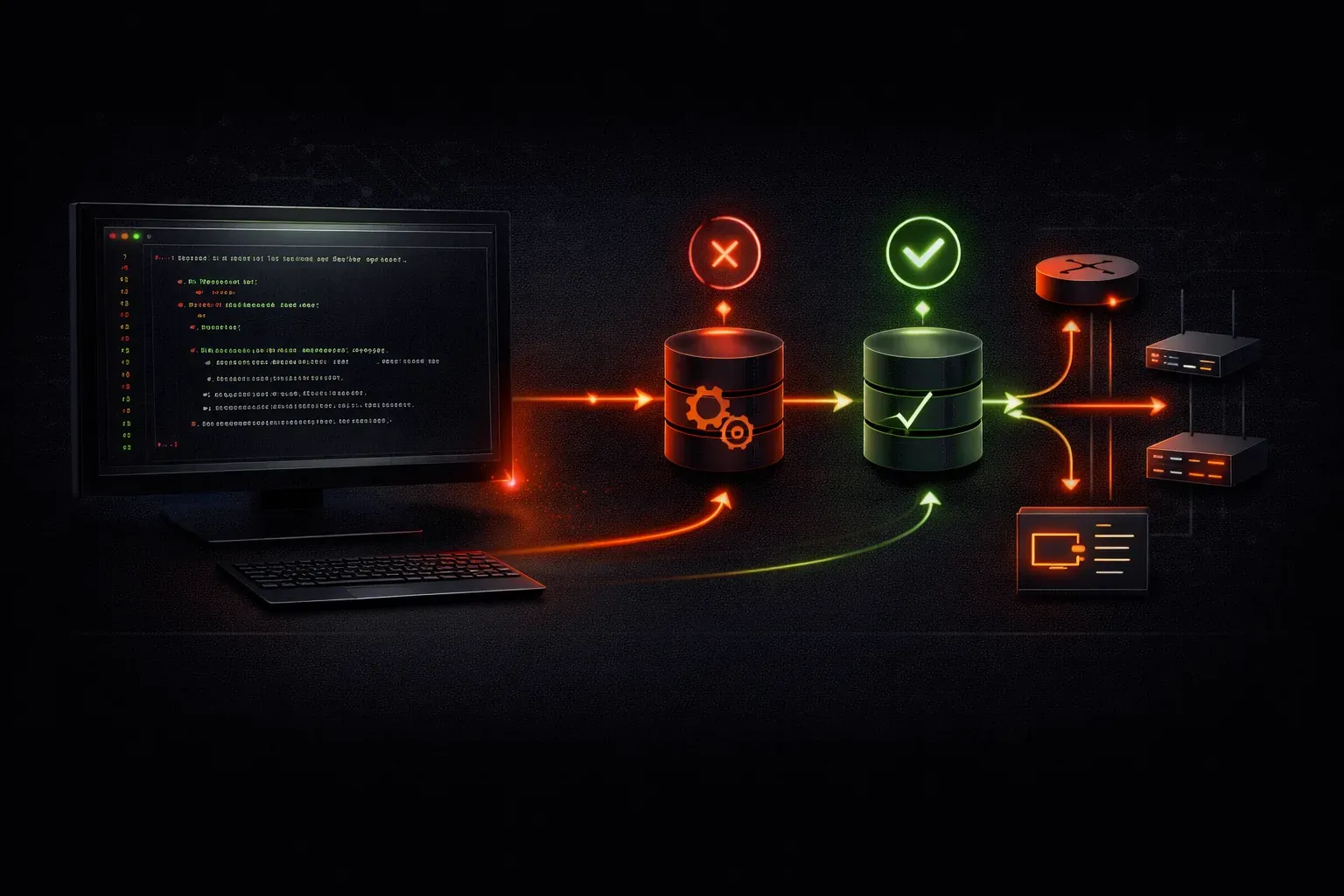
Test-driven development follows a simple three-step cycle: Red-Green-Refactor. You first write a failing test (Red), then write the minimum code to make it pass (Green), and finally improve the code while keeping tests passing (Refactor). For network automation, this might look like testing a function that parses router configurations before actually writing the parsing logic.
Enhanced Code Quality Through TDD
One of the primary TDD advantages is dramatically improved code quality. When you write tests first, you're forced to think about your code's interface and behavior before implementation. This leads to cleaner, more modular code that's easier to understand and maintain.
Consider this example of testing a function that validates IP addresses:
def test_valid_ip_address():
    assert is_valid_ip("192.168.1.1") == True
    assert is_valid_ip("10.0.0.1") == True

def test_invalid_ip_address():
    assert is_valid_ip("999.999.999.999") == False
    assert is_valid_ip("not_an_ip") == False
Writing these tests first forces you to define exactly what constitutes a valid IP address, leading to more robust validation logic.
Building Developer Confidence
Perhaps the most significant benefit for new developers is increased developer confidence. When you have comprehensive tests, you can make changes to your code without fear of breaking existing functionality. This safety net is invaluable when learning network automation, where small mistakes can have significant consequences.
For instance, if you're writing a script to configure multiple switches, having tests ensures your configuration parsing works correctly before deploying to production devices:
def test_parse_switch_config():
    config = """
    interface GigabitEthernet0/1
     switchport mode access
     switchport access vlan 10
    """
    result = parse_interface_config(config)
    assert result['interface'] == 'GigabitEthernet0/1'
    assert result['vlan'] == 10
Faster Debugging and Development
TDD provides immediate feedback about your code's correctness. Instead of manually testing your network automation scripts against real or simulated devices every time you make a change, your tests run in seconds and tell you exactly what's working and what isn't.
This rapid feedback loop is particularly valuable when working with network APIs or parsing complex configuration files. You can iterate quickly, fix issues immediately, and maintain momentum in your development process.
Documentation Through Tests
Well-written tests serve as living documentation for your code. They clearly show how functions should be used and what outputs to expect. For network automation tasks, this is incredibly valuable when you or your teammates need to understand how a particular script handles different device types or configuration formats.
Practical Implementation for Network Automation
Start small with TDD in your network automation projects. Test individual functions that parse configuration files, validate input parameters, or format API responses. As you become more comfortable, expand to testing entire workflows like device configuration deployment or network discovery processes.
Python's built-in unittest module or the popular pytest framework make it easy to implement TDD practices in your network automation scripts.
What's Next
Now that you understand the benefits of test-driven development, the next step is learning how to set up your first testing environment and write your initial tests. We'll explore practical TDD implementation with Python's testing frameworks and how to apply these concepts to common network automation scenarios.