
Cloud Connectivity Options: What You Need to Know
This post explores cloud connectivity options including internet-based connections, direct private circuits, VPNs, and hybrid approaches. It covers the benefits and challenges of each method to help you choose the best connectivity solution for your cloud infrastructure needs.

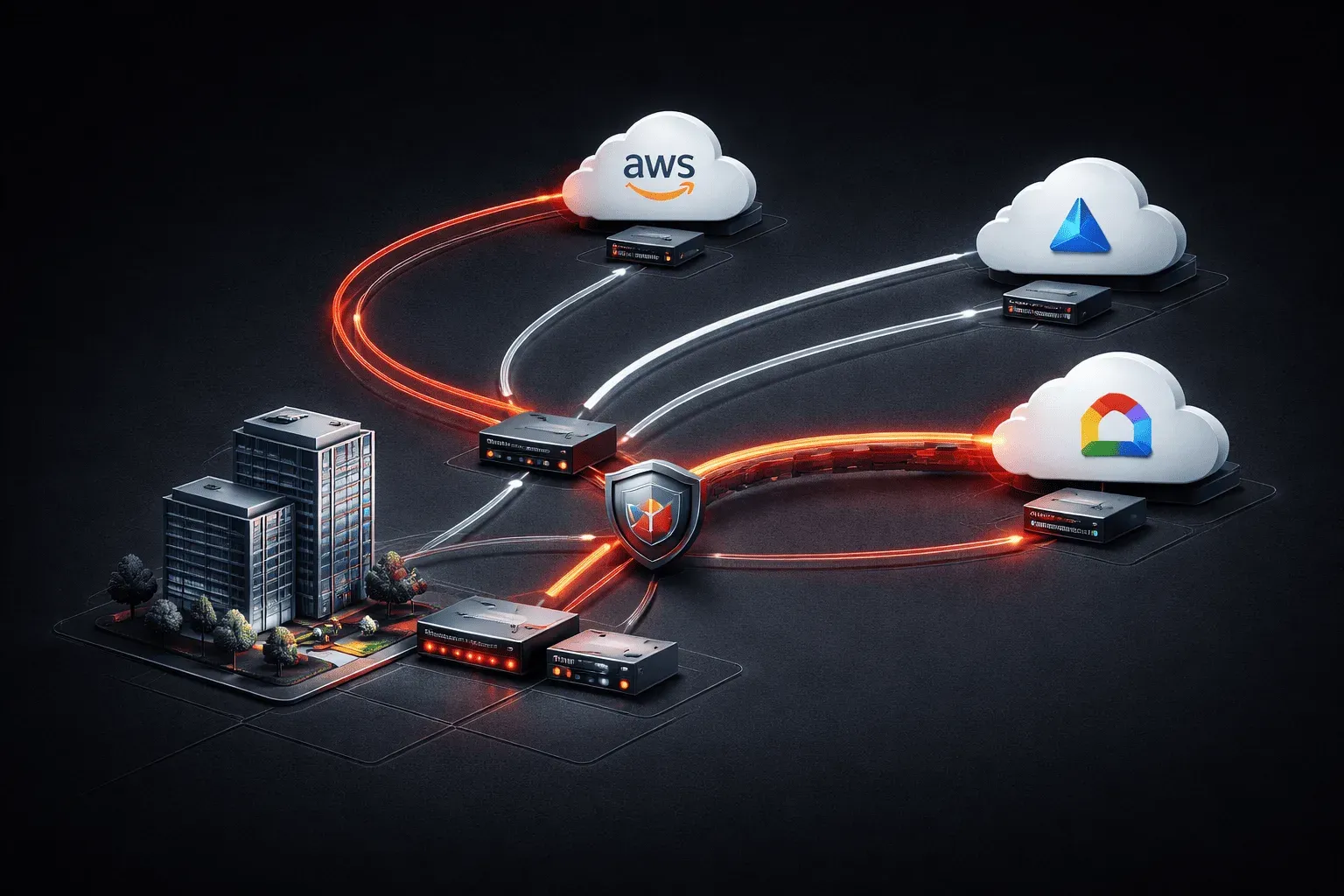
As organizations migrate to the cloud, understanding cloud connectivity options becomes crucial for network administrators. The way you connect to cloud services directly impacts performance, security, and cost. Let's explore the primary methods for establishing reliable cloud access and when to use each approach.
Internet-Based Connectivity
The most common approach uses your existing internet connection to reach cloud services. This method leverages the public internet to establish network connectivity to providers like AWS, Azure, or Google Cloud.
Benefits:
- Quick deployment with existing infrastructure
- Lower initial costs
- Built-in redundancy through multiple internet paths
Challenges:
- Variable performance due to internet congestion
- Security concerns over public networks
- Limited bandwidth control
For small businesses or development environments, internet-based connectivity often provides adequate performance while keeping costs manageable.
Direct Private Connections
Services like AWS Direct Connect, Azure ExpressRoute, and Google Cloud Interconnect provide dedicated private circuits between your data center and cloud providers. These solutions address many connectivity challenges found with internet-based access.
Implementation typically involves:
1. Ordering a dedicated circuit from a telecom provider
2. Establishing a cross-connect at a colocation facility
3. Configuring BGP routing with the cloud provider
4. Testing connectivity and failover scenarios
Benefits:
- Predictable bandwidth and latency
- Enhanced security through private connectivity
- Consistent performance for mission-critical applications
- Potential cost savings on data transfer
Challenges:
- Higher initial setup costs
- Longer deployment timeframes (weeks to months)
- Single point of failure without redundancy
Hybrid Approaches
Many organizations implement hybrid cloud connectivity options that combine multiple methods. A typical setup might use direct private connections for production workloads while maintaining internet connectivity as backup.
Common hybrid configurations:
- Primary direct connection with internet backup
- Multiple direct connections for redundancy
- Regional direct connections with internet for other locations
VPN Solutions
Virtual Private Networks create encrypted tunnels over existing internet connections, providing a middle ground between pure internet connectivity and dedicated circuits.
Site-to-Site VPN benefits:
- Enhanced security through encryption
- Quick deployment using existing internet
- Lower costs than dedicated circuits
Most cloud providers offer managed VPN gateways that simplify configuration. For example, configuring an AWS VPN typically involves creating a customer gateway, virtual private gateway, and establishing IPsec tunnels.
Choosing the Right Option
Your choice depends on several factors:
Performance requirements: Applications requiring consistent low latency benefit from direct connections. Less critical workloads may perform adequately over internet connections.
Security considerations: Highly regulated industries often mandate private connectivity or encrypted tunnels for cloud access.
Budget constraints: Internet-based connectivity offers the lowest entry cost, while direct connections require significant upfront investment.
Scalability needs: Direct connections typically offer more bandwidth options and better scaling characteristics than internet-based solutions.
What's Next
Now that you understand the fundamental cloud connectivity options, the next step is learning about Software-Defined Wide Area Networks (SD-WAN), which can optimize and manage these various connection types automatically. SD-WAN solutions help organizations make intelligent routing decisions across multiple connectivity paths, maximizing both performance and cost-effectiveness.
Network+ study resources
- CompTIA Network+ Study Guide — Full N10-009 exam coverage across all five domains. Essential exam preparation.