
What is Cloud Managed Networking?
Cloud managed networking allows network devices to be configured and monitored through a cloud-based dashboard rather than direct CLI access to each device. This post covers how the model works, its key benefits like scalability and centralized visibility, and how it compares to traditional network

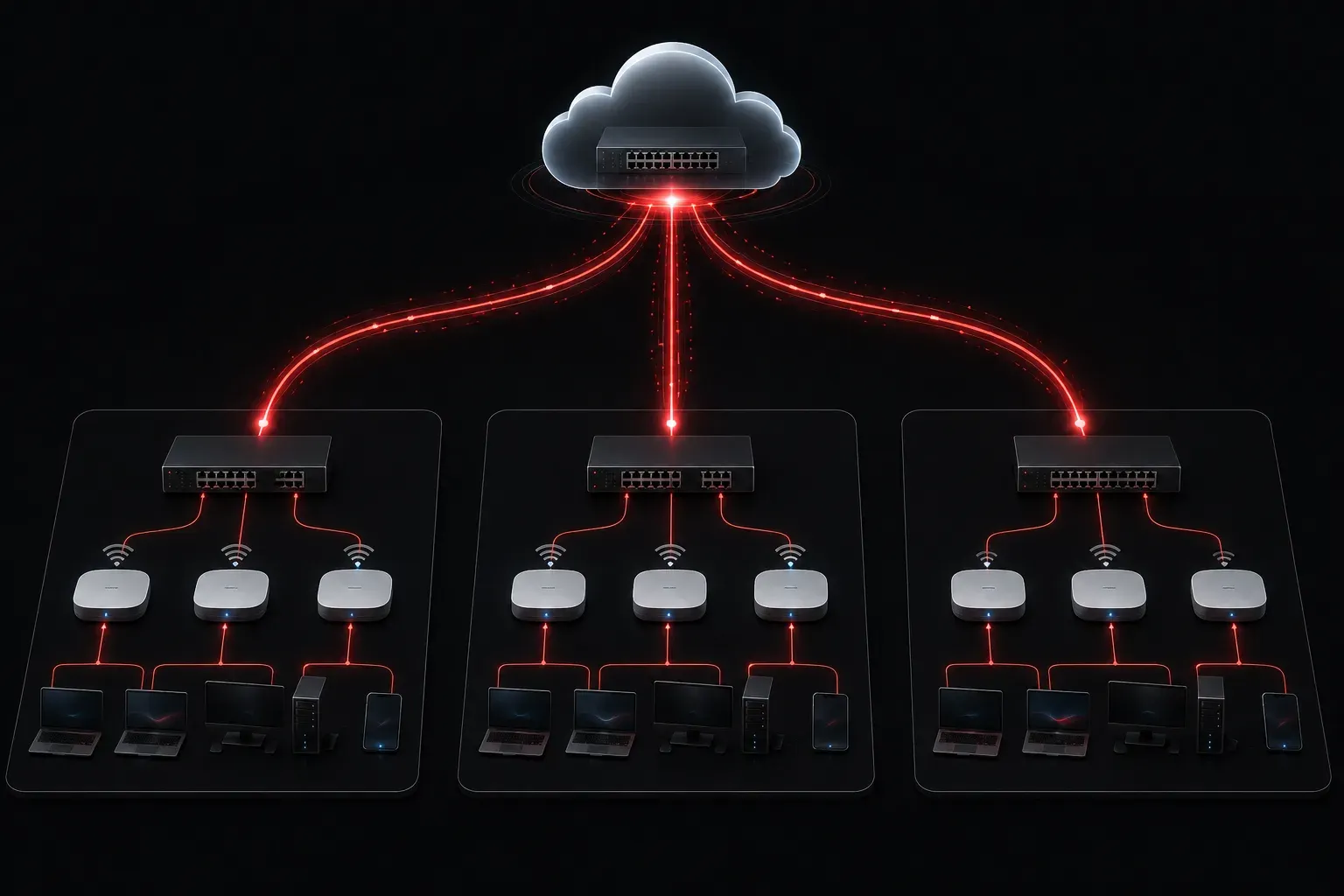
Managing a network used to mean logging into each device individually, pushing configuration changes one at a time, and hoping nothing broke in the process. Cloud managed networking changes that model entirely, and understanding it is increasingly important for anyone working toward their CCNA.
What is Cloud Managed Networking?
Cloud managed networking is an approach where network devices, such as switches, routers, and wireless access points, are configured, monitored, and managed through a cloud-based dashboard rather than through direct CLI access to each individual device. The physical hardware still sits in your building or campus, but the management plane lives in the cloud.
The most widely known example of this in the Cisco ecosystem is Cisco Meraki. With Meraki, you log into a web dashboard hosted by Cisco, and from that single interface you can manage thousands of devices spread across multiple locations. You never need to SSH into a switch or telnet into a router to push a change.
How it Works Under the Hood
Each cloud-managed device maintains a persistent connection to the vendor's cloud platform. When you make a change in the dashboard, the cloud controller pushes that configuration down to the device automatically. The device itself is sometimes called a zero-touch provisioned device because it can be shipped directly to a branch site, powered on, and it will pull its configuration from the cloud without any manual setup.
The data plane still operates locally. Traffic between devices on your network does not get routed through the cloud. Only the management and configuration traffic communicates with the cloud controller. This is an important distinction: if your internet connection goes down, your local network still functions, but you lose the ability to make changes through the dashboard until connectivity is restored.
Why Cloud Managed Networking Matters
The benefits become obvious when you consider managing a business with twenty branch offices. Traditional approaches require either a dedicated IT person at each site or a complex on-premise management system. Cloud managed networking solves this with a few key advantages:
- Centralized visibility: Every device across every location appears in one dashboard, giving you a single source of truth for your network health.
- Scalability: Adding a new site means shipping a device and connecting it to the internet. The cloud handles the rest, making scalability almost frictionless.
- Simplified updates: Firmware upgrades and configuration changes can be pushed to every device simultaneously from the dashboard.
- Built-in telemetry: Cloud solutions typically include traffic analytics, client history, and alert systems out of the box, features that require significant manual setup in traditional environments.
Cloud Managed vs. Traditional Management
It helps to contrast the two models side by side. In a traditionally managed network, you use the CLI directly, store configurations locally on each device, and rely on tools like SNMP, syslog, or separate network management software to gain visibility. Configuration consistency across devices is your responsibility to maintain.
In a cloud managed environment, the dashboard enforces consistency, logs everything centrally, and abstracts much of the CLI complexity away. This is great for efficiency, but it also means you are dependent on the vendor's cloud platform being available and you typically pay an ongoing subscription fee per device.
For the CCNA exam, you should understand that cloud managed networking represents one of the core network management models covered under exam objective 2.8. Cisco positions Meraki as the primary example of this architecture, so being familiar with the concept of a cloud controller managing physical devices is exactly what the exam tests.
What's Next
Now that you understand the concept of cloud managed networking, the next step is exploring how on-premise management solutions like Cisco DNA Center compare. DNA Center offers centralized management similar to Meraki but runs within your own data center, giving you more control over your management plane. That trade-off between cloud solutions and on-premise platforms is a great topic to dig into next.
Tools and resources for this topic
- CCNA Official Cert Guide (Wendell Odom) — The definitive CCNA study resource. Both volumes cover the 200-301 exam blueprint in full.
- Wendell Odom CCNA Vol 1 — Covers networking fundamentals, switching, and routing basics.
- Wendell Odom CCNA Vol 2 — Covers advanced routing, WAN, infrastructure services, and security.