
Common Security Enhancements for Enterprises Explained
This post explains the most common security enhancements organizations use to strengthen their security posture, including access controls, network security, endpoint protection, data encryption, and employee training. Each enhancement is explained in beginner-friendly terms with practical examples

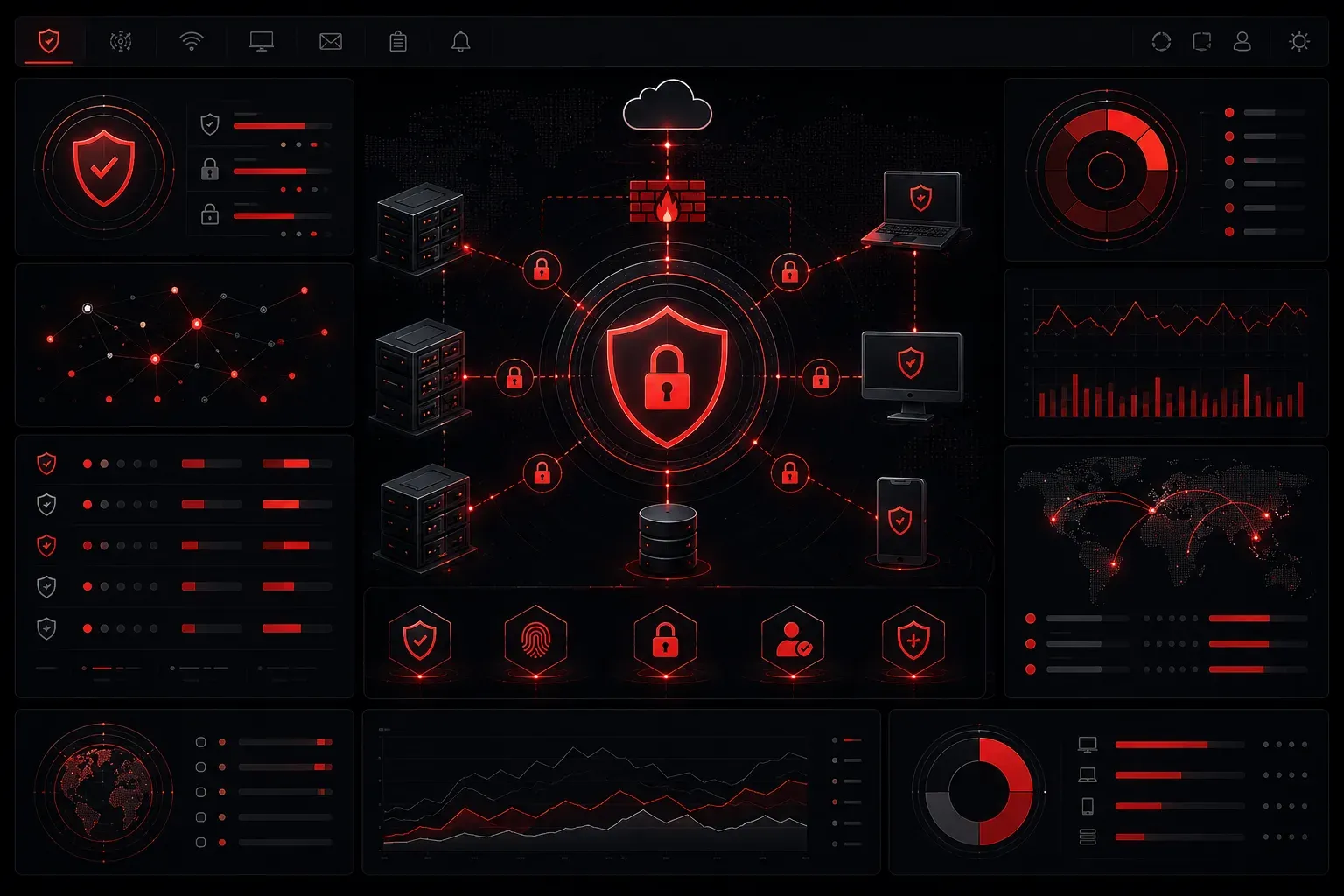
Understanding Common Security Enhancements
When organizations want to strengthen their security posture, they don't need to reinvent the wheel. There are several well-established common security enhancements that have proven effective across different industries and company sizes. These security upgrades form the backbone of modern organizational security strategies.
Let's explore these enhancements with beginner explanations that make each concept clear and actionable.
Access Control Improvements
The first area most organizations focus on is controlling who can access what resources. This includes implementing multi-factor authentication (MFA), which requires users to provide two or more verification factors before gaining access.
For example, after entering your password, you might need to:
- Enter a code from your smartphone app
- Scan your fingerprint
- Insert a hardware security key
Role-based access control (RBAC) is another critical enhancement. Instead of managing permissions for each individual user, you create roles like "Marketing Team" or "Finance Manager" and assign permissions to these roles. When someone joins the marketing team, you simply assign them the marketing role.
Network Security Enhancements
Organizations commonly upgrade their network defenses through several key technologies. Next-generation firewalls (NGFW) go beyond traditional port and protocol filtering by inspecting application-layer traffic and identifying specific applications and users.
Network segmentation divides your network into smaller, isolated sections. Think of it like having separate apartments in a building instead of one large open space. If attackers breach one segment, they can't automatically access everything else.
A practical example of network segmentation:
Guest Network: 192.168.1.0/24
Employee Network: 192.168.10.0/24
Server Network: 192.168.100.0/24
Endpoint Protection Upgrades
Modern endpoint protection goes far beyond traditional antivirus software. Endpoint Detection and Response (EDR) solutions continuously monitor devices for suspicious activities and can automatically respond to threats.
Key features of modern endpoint protection include:
- Real-time behavior monitoring
- Automated threat isolation
- Forensic capabilities for incident investigation
- Integration with security information and event management (SIEM) systems
Data Protection Enhancements
Data Loss Prevention (DLP) systems monitor and control data transfers to prevent sensitive information from leaving the organization inappropriately. For instance, a DLP system might block an email containing credit card numbers from being sent to external recipients.
Encryption at rest and in transit ensures that even if data is intercepted or stolen, it remains unreadable without the proper decryption keys. Modern organizations encrypt:
- Database contents
- File system storage
- Network communications
- Backup data
Security Awareness and Training
Technology alone isn't enough. Security awareness training helps employees recognize and respond appropriately to security threats. Regular phishing simulation exercises teach staff to identify suspicious emails before clicking dangerous links or downloading malware.
Effective training programs include:
- Monthly security awareness sessions
- Simulated phishing campaigns
- Incident reporting procedures
- Role-specific security training
Monitoring and Incident Response
Security Information and Event Management (SIEM) platforms collect and analyze log data from across your infrastructure to identify potential security incidents. Modern SIEM solutions use machine learning to detect anomalies that might indicate an attack.
A robust incident response plan ensures your organization can quickly contain and remediate security incidents. This includes predefined procedures, communication protocols, and designated response team roles.
Implementation Priorities
When planning security enhancements, most organizations follow this priority order:
- Multi-factor authentication implementation
- Network segmentation and firewall upgrades
- Endpoint protection deployment
- Employee security training programs
- Data encryption and DLP solutions
- SIEM and monitoring capabilities
What's Next
Now that you understand the common security enhancements organizations implement, the next step is learning how to assess which enhancements your specific environment needs most. In our next post, we'll explore security assessment methodologies and how to prioritize improvements based on risk analysis and business requirements.
Tools and resources for this topic
- CompTIA Security+ Study Guide — Full SY0-701 exam coverage including threats, vulnerabilities, and mitigation.