
How to Identify and Assess Cyber Risks
A beginner-friendly guide to identifying and assessing cybersecurity risks through systematic steps including asset inventory, vulnerability identification, threat analysis, and impact assessment. Includes practical examples and tools to help newcomers understand the risk assessment process.

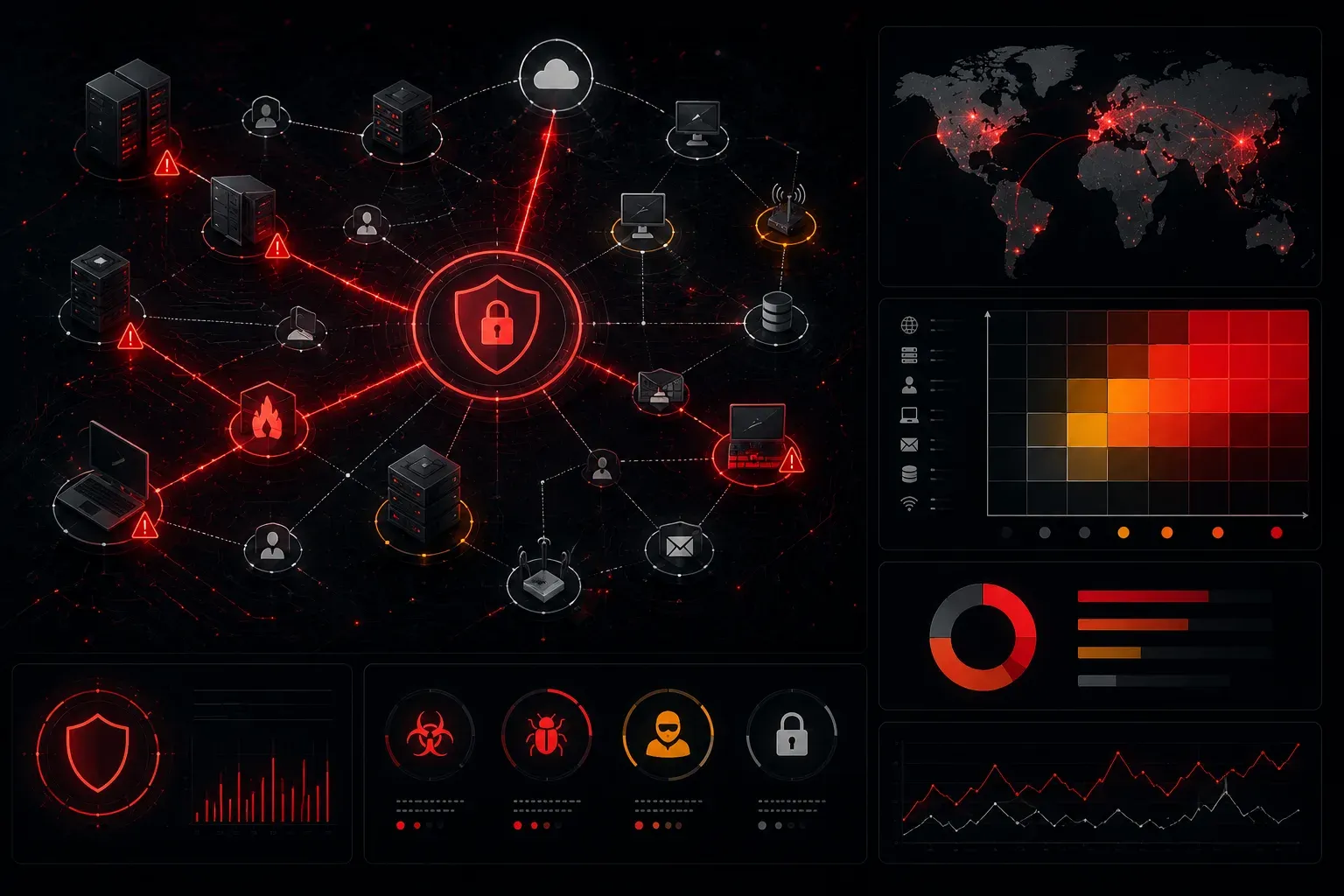
Understanding Cyber Risk: The Foundation
Before you can protect your organization from cyber threats, you need to understand what you're protecting against. Identifying and assessing cyber risks is like being a detective; you're looking for vulnerabilities that criminals might exploit and determining how much damage they could cause.
A cyber risk is the potential for damage or loss resulting from a cyber incident. This could be anything from a data breach exposing customer information to ransomware shutting down your entire network. The key is learning how to identify cyber risks systematically and then evaluate their potential impact.
Step-by-Step Risk Assessment Process
These risk assessment steps provide a structured approach to understanding your cybersecurity landscape:
Step 1: Inventory Your Assets
Start by cataloging everything that has value in your organization:
- Data: Customer records, financial information, intellectual property
- Systems: Servers, workstations, network equipment, mobile devices
- Applications: Business software, databases, web applications
- People: Employees with access to sensitive information
You can't protect what you don't know exists. Use network scanning tools like Nmap to discover devices on your network and maintain an accurate inventory spreadsheet.
Step 2: Identify Vulnerabilities
Look for weaknesses that could be exploited. Common vulnerability sources include:
- Unpatched software and operating systems
- Weak or default passwords
- Misconfigured firewalls or access controls
- Outdated antivirus software
- Unencrypted sensitive data
- Lack of employee security training
Use vulnerability scanners like Nessus or OpenVAS to automatically detect technical vulnerabilities in your systems.
Step 3: Identify Threats
Consider who might want to exploit these vulnerabilities and how they might do it. Think about:
- External threats: Hackers, cybercriminal groups, nation-states
- Internal threats: Disgruntled employees, contractors with excessive access
- Environmental threats: Natural disasters, power outages
- Accidental threats: Employee mistakes, system failures
Real-World Cyber Risk Examples
Let's look at some cyber risk examples to make this concrete:
Email Phishing Risk: Your employees receive convincing fake emails asking for login credentials. If someone falls for this, attackers gain access to your network. The risk combines the threat (phishers), vulnerability (lack of security awareness), and asset (employee credentials).
Unpatched Server Risk: Your web server runs outdated software with known security flaws. Cybercriminals could exploit these vulnerabilities to steal customer data or install malware.
Weak Password Risk: Administrative accounts use simple passwords like "admin123." If discovered, attackers gain full system control.
How to Assess Risks
Once you've identified potential risks, you need to assess risks by evaluating two key factors:
Likelihood Assessment
Rate the probability of each risk occurring on a scale (e.g., 1-5 or Low/Medium/High). Consider:
- How attractive is your organization to attackers?
- How easy would it be to exploit this vulnerability?
- Are there known attacks targeting this weakness?
- What security controls are already in place?
Impact Assessment
Evaluate the potential damage if the risk materializes:
- Financial impact: Direct costs, lost revenue, fines
- Operational impact: System downtime, productivity loss
- Reputational impact: Customer trust, media coverage
- Compliance impact: Regulatory penalties, legal issues
Risk Priority Matrix
Multiply likelihood by impact to create a risk score. This helps prioritize which risks need immediate attention. A high-likelihood, high-impact risk demands urgent action, while a low-likelihood, low-impact risk might be acceptable.
Documenting and Monitoring
Create a risk register that documents each identified risk, its assessment scores, and planned mitigation strategies. This isn't a one-time exercise – cyber risks change constantly as new threats emerge and your environment evolves.
Review and update your risk assessment quarterly, or whenever significant changes occur in your IT environment. Tools like GRC platforms can help automate much of this process and maintain consistent documentation.
What's Next
Now that you can identify and assess cyber risks, the next step is learning how to manage and mitigate those risks through appropriate security controls and incident response planning. Understanding risk treatment strategies will complete your foundational knowledge of cybersecurity risk management.