
What is Risk Management in Cybersecurity?
Risk management cybersecurity is the systematic process of identifying, analyzing, and responding to potential cyber threats. This foundational approach helps organizations protect their digital assets by prioritizing security efforts based on actual risks rather than operating blindly.

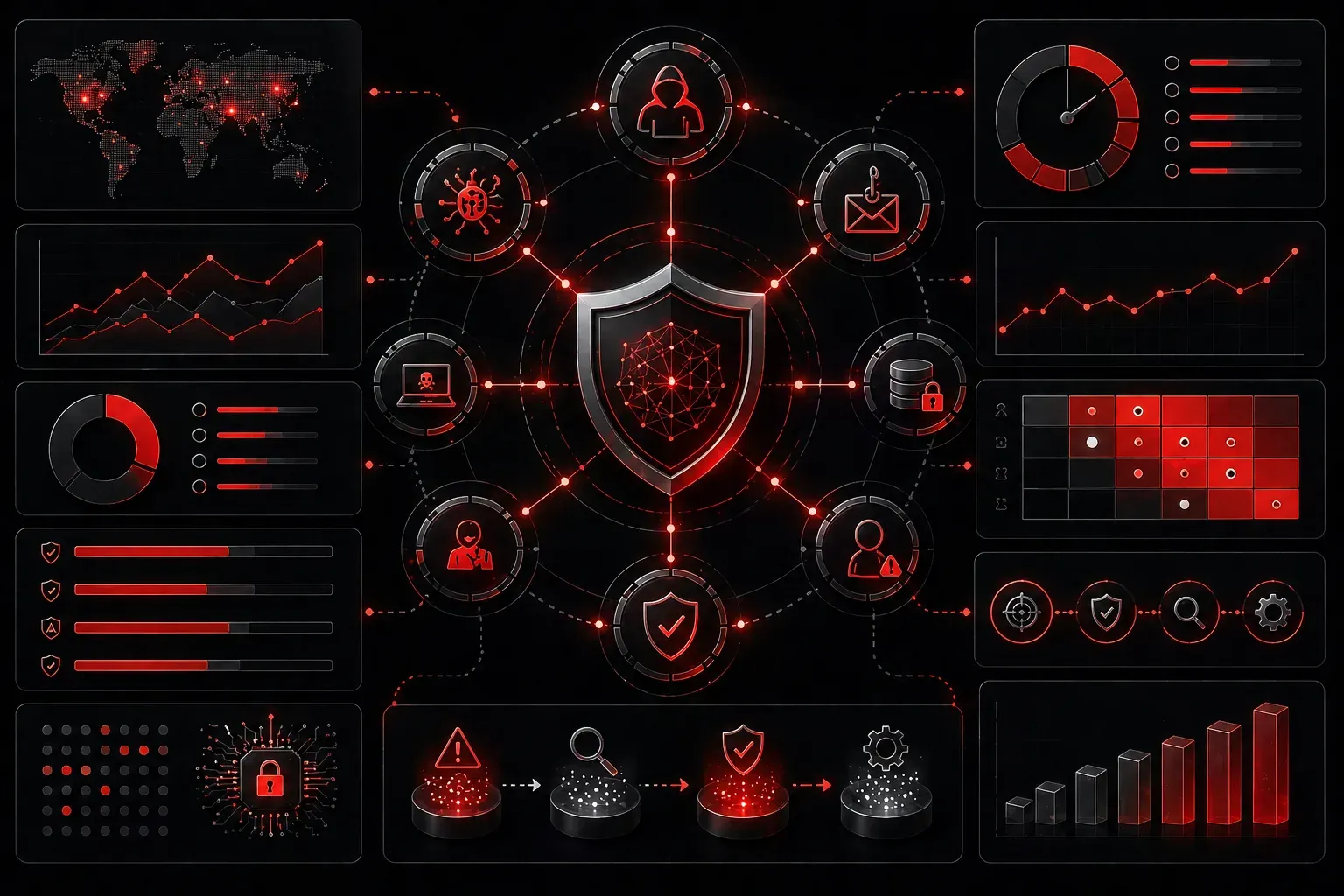
Risk management in cybersecurity is the systematic process of identifying, analyzing, and responding to potential threats to your organization's digital assets. Think of it as your cybersecurity insurance policy; you're planning for problems before they happen and deciding how to handle them when they do.
At its core, cyber risk is the potential for events that could negatively impact your information systems, data, or operations. These might include hackers stealing customer data, malware corrupting files, or employees accidentally sharing sensitive information. The goal isn't to eliminate every possible risk (that's impossible), but to manage them intelligently.
Understanding the Risk Management Process
Managing risks in cybersecurity follows a structured approach that breaks down into four key steps:
Risk Identification comes first. You need to catalog what could go wrong. This includes external threats like cybercriminals and internal risks like untrained employees or outdated software. Common cyber risks include:
- Data breaches and unauthorized access
- Malware and ransomware attacks
- Phishing and social engineering
- System outages and service disruptions
- Insider threats and human error
Risk Assessment follows identification. Here you evaluate each risk's likelihood and potential impact. A data breach might have devastating consequences but low probability, while phishing attempts might be frequent but cause limited damage individually. This step helps you prioritize where to focus your efforts.
Risk Response involves choosing how to handle each identified risk. You have four main options:
- Accept: Live with low-impact risks that aren't worth addressing
- Avoid: Eliminate the risk entirely by changing processes or technology
- Mitigate: Reduce the likelihood or impact through security controls
- Transfer: Share the risk through insurance or outsourcing
Risk Monitoring ensures your approach stays effective. Threats evolve constantly, so you must regularly review and update your risk management strategy.
Why Risk Management Matters for Online Protection
Without proper risk management, organizations operate blindly. They might invest heavily in expensive firewalls while ignoring basic employee training, leaving themselves vulnerable to simple phishing attacks. Risk management ensures your security investments align with your actual threats.
Consider a small business that processes credit card payments. Through risk assessment, they might identify that losing customer payment data poses their highest risk, both financially and reputationally. This insight helps them prioritize securing their payment systems over less critical areas.
Practical Risk Management Example
Let's walk through a simple scenario. Imagine you're managing cybersecurity for a local dental office:
Identification: You identify that patient health records stored on computers could be accessed by unauthorized individuals.
Assessment: The impact would be severe (HIPAA violations, patient trust loss), but the likelihood depends on your current security measures.
Response: You decide to mitigate by implementing access controls, encrypting data, and training staff on proper procedures.
Monitoring: You regularly review access logs and update security measures as needed.
Building Your Risk Management Foundation
Start simple when implementing cybersecurity risk management. Document your most valuable assets. What data, systems, or processes would hurt most if compromised? Then identify the most likely threats to those assets. This gives you a foundation to build upon.
Remember that managing risks is an ongoing process, not a one-time project. As your organization grows and technology changes, new risks emerge while others become less relevant. Regular reviews keep your approach current and effective.
What's Next
Now that you understand the fundamentals of risk management cybersecurity, the next step is learning how to conduct thorough risk assessments. We'll explore specific techniques for evaluating threats and determining which risks deserve your immediate attention.