
Why Data Backups are Essential for Security
Data backups serve as a critical cybersecurity defense against ransomware, insider threats, and data corruption. This post explains why backups are essential for security and introduces the 3-2-1 backup rule and key security practices.

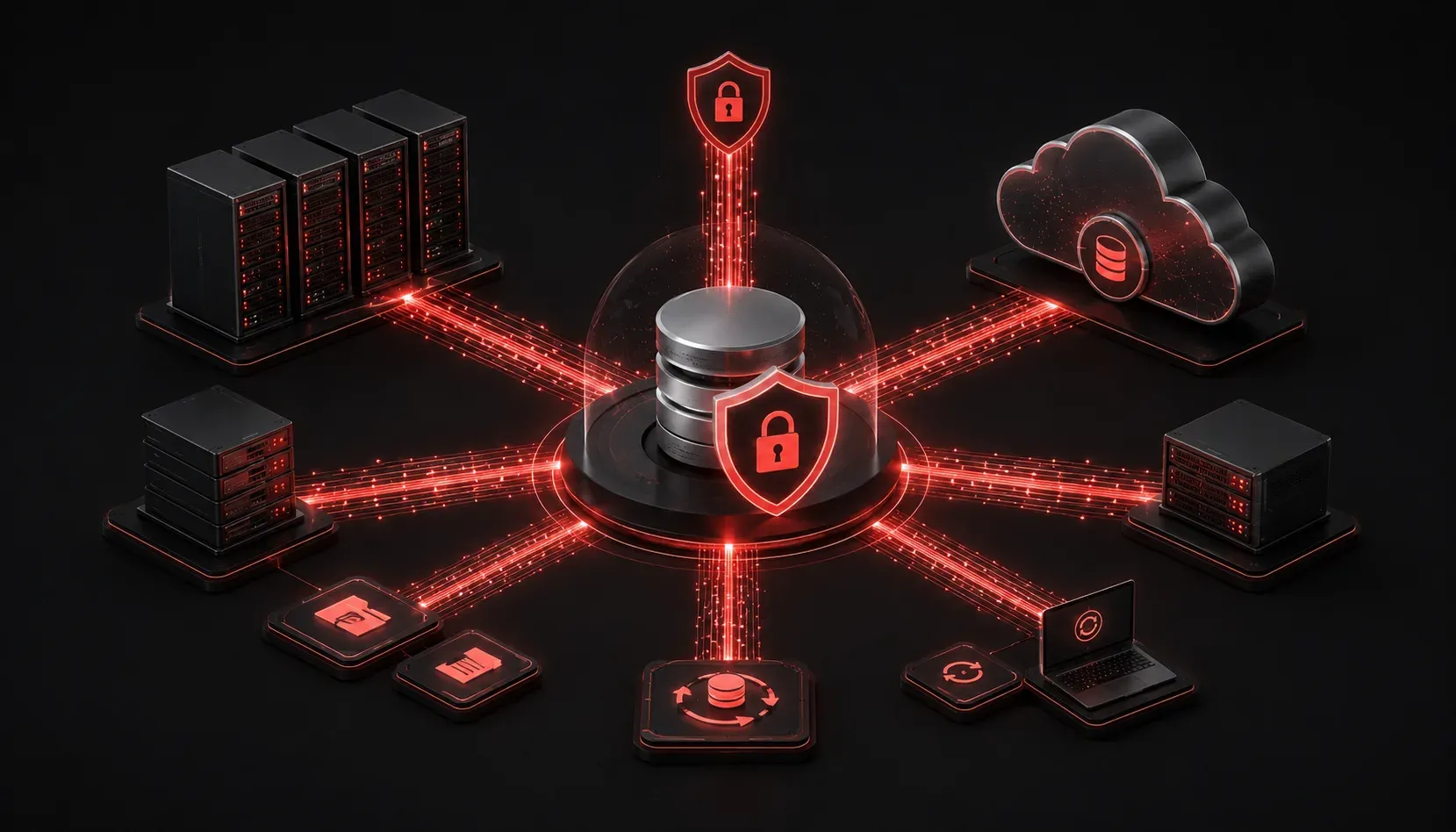
When cybercriminals strike your organization, what's your last line of defense? While firewalls, antivirus software, and access controls are crucial, your data backups often determine whether a security incident becomes a minor inconvenience or a business-ending catastrophe.
Understanding Data Backups in Cybersecurity Context
Data backups are copies of your important files, applications, and system configurations stored separately from your primary systems. In cybersecurity, they serve as both a recovery mechanism and a strategic defense against various attack vectors. The data backups importance extends far beyond simple hardware failures, they're your insurance policy against ransomware, insider threats, and sophisticated cyber attacks.
Think of backups as your organization's safety net. When attackers encrypt your files with ransomware or when a disgruntled employee deletes critical data, your backups allow you to restore operations without paying ransoms or losing valuable information.
How Backups Protect Against Cyber Threats
Modern cyber threats specifically target your data's availability and integrity. Here's how proper backup strategies defend against common attacks:
- Ransomware Protection: When malware encrypts your files, clean backups let you restore data without paying criminals
- Data Corruption Defense: Malicious code that slowly corrupts files can be countered by rolling back to clean backup versions
- Insider Threat Mitigation: Whether accidental or malicious, internal data deletion can be reversed with proper backups
- Advanced Persistent Threat Recovery: When attackers establish long-term presence in your systems, backups help you restore to pre-compromise states
The 3-2-1 Backup Rule
Effective data protection follows the industry-standard 3-2-1 rule:
- 3 copies of important data (original plus two backups)
- 2 different storage media types (like hard drives and cloud storage)
- 1 offsite backup (geographically separate from your primary location)
This approach ensures that even if attackers compromise your primary systems and local backups, you still have offsite copies for recovery.
Essential Backup Security Practices
Your backup systems themselves need protection. Follow these cyber security best practices:
Backup Encryption
Always encrypt backup data both in transit and at rest. Use strong encryption protocols like AES-256 to ensure that even if attackers access your backups, they can't read the data without encryption keys.
Access Controls
Limit who can access backup systems using the principle of least privilege. Create separate administrative accounts specifically for backup operations, and implement multi-factor authentication for all backup system access.
Regular Testing
Test your backup restoration process monthly. Many organizations discover their backups are corrupted or incomplete only when they desperately need them during an incident.
Backup Types and Strategies
Different backup strategies serve different security and operational needs:
- Full Backups: Complete copies of all data, providing comprehensive recovery options but requiring more storage and time
- Incremental Backups: Only changes since the last backup, offering faster daily backups with more complex restoration
- Differential Backups: All changes since the last full backup, balancing storage efficiency with restoration simplicity
Compliance and Regulatory Requirements
Many cybersecurity frameworks and regulations mandate specific backup requirements. PCI DSS requires secure backup procedures for payment card data, while HIPAA mandates backup and recovery plans for healthcare information. GDPR emphasizes data availability and integrity, making reliable backups essential for compliance.
Document your backup procedures, retention schedules, and testing results to demonstrate compliance during audits.
What's Next
Now that you understand why backups are crucial for cybersecurity, the next step is implementing proper backup technologies and procedures. In our upcoming post, we'll explore specific backup solutions and walk through creating a comprehensive backup strategy that meets both security and compliance requirements.