
Introduction to Modern Network Environments
Modern network environments differ fundamentally from traditional networks through software-defined infrastructure, cloud integration, and zero-trust security models. These networks support evolving use cases like remote work, cloud applications, IoT, and real-time collaboration that traditional ha

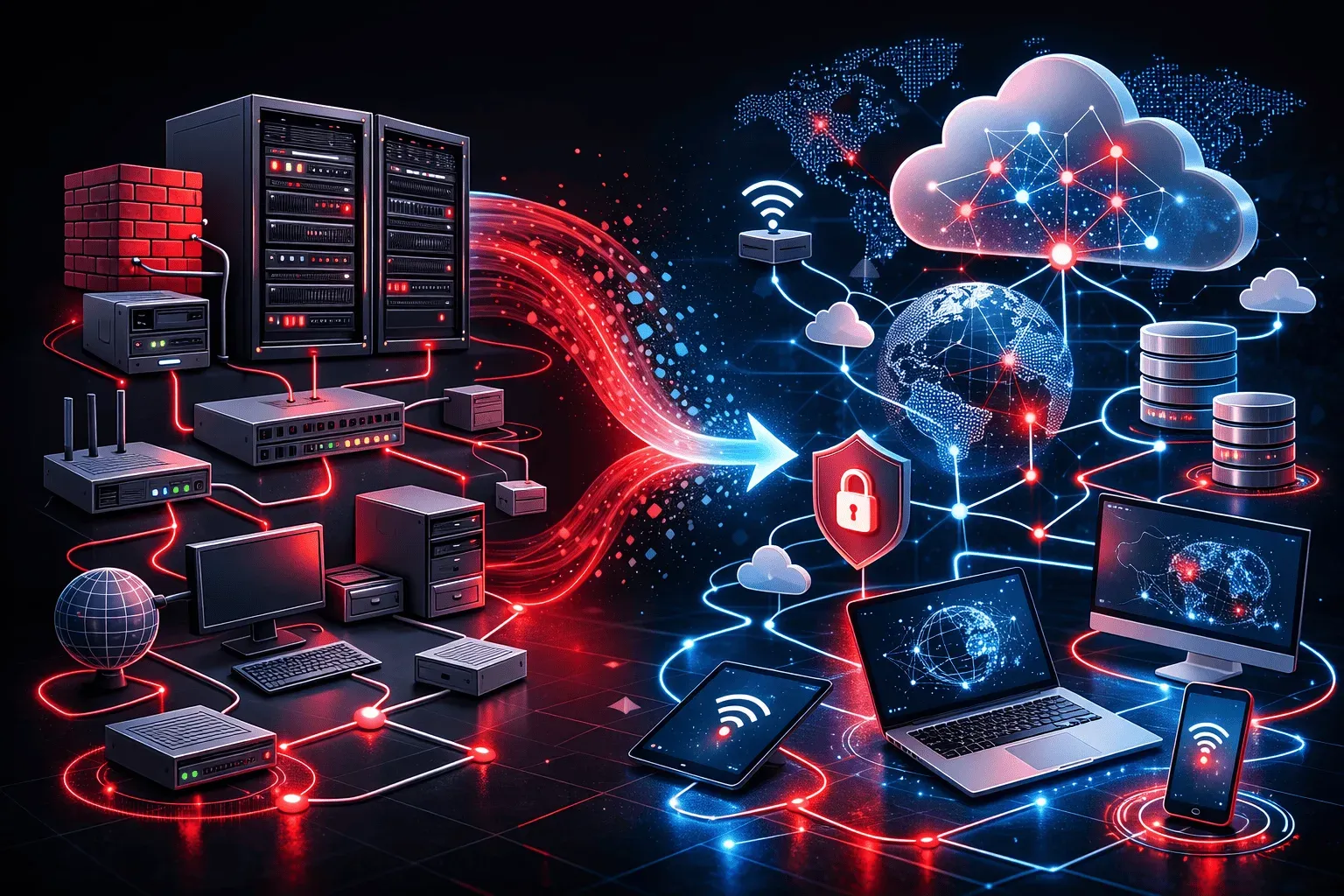
Modern network environments have transformed dramatically from the simple point-to-point connections of the past. Today's networks must support everything from remote workers accessing cloud applications to IoT devices streaming real-time data. Understanding these modern network environments is crucial for anyone entering the networking field.
What Makes a Network Environment "Modern"?
Modern networks are characterized by several key traits that distinguish them from traditional architectures. They're software-defined, cloud-integrated, and designed for mobility and scalability. Unlike the rigid, hardware-centric networks of the past, modern environments adapt dynamically to changing business needs.
The most significant shift is the move from perimeter-based security to zero-trust models. Traditional networks assumed everything inside the corporate firewall was safe, but modern networks treat every connection as potentially untrusted, regardless of location.
Traditional vs Modern Networks: A Clear Comparison
Understanding the differences between traditional vs modern networks helps clarify why this evolution was necessary:
Traditional Networks
- Fixed infrastructure: Hardware-defined with limited flexibility
- On-premises focus: Most resources located in company data centers
- Perimeter security: Trust assumed inside the network boundary
- Manual configuration: Changes require hands-on hardware work
- Predictable traffic: Most communication stayed within the local network
Modern Networks
- Software-defined: Programmable and adaptable through code
- Hybrid and multi-cloud: Resources distributed across multiple platforms
- Zero-trust security: Every connection verified regardless of location
- Automated management: Changes deployed through centralized controllers
- Internet-first design: Built assuming most traffic crosses the internet
Key Network Use Cases Driving Modern Design
Modern network use cases have fundamentally shaped how we architect networks today:
Remote Work and BYOD
The explosion of remote work requires networks that securely connect users from anywhere. Modern networks use technologies like SD-WAN and cloud-based security services to provide consistent access regardless of location. A remote worker in a coffee shop gets the same security policies and application performance as someone in the office.
Cloud-First Applications
Most new applications are built for the cloud from day one. This means network traffic patterns have reversed. Instead of keeping data local, modern networks efficiently route traffic to cloud providers like AWS, Azure, and Google Cloud. Traditional hub-and-spoke models that backhauled all traffic through headquarters create unnecessary bottlenecks.
IoT and Edge Computing
Smart buildings, industrial sensors, and connected devices generate massive amounts of data that need processing at the network edge. Modern networks incorporate edge computing nodes that can process data locally before sending summaries to central systems, reducing bandwidth and improving response times.
Real-Time Collaboration
Video conferencing, real-time document editing, and instant messaging require networks optimized for low latency and high quality of service. Modern networks use intelligent routing and traffic prioritization to ensure these critical applications perform well even during peak usage.
Network Evolution: The Driving Forces
Several factors have accelerated network evolution toward modern architectures:
Security threats have become more sophisticated, requiring networks that can identify and respond to threats in real-time. Traditional perimeter security simply can't protect against insider threats or compromised devices.
Business agility demands mean networks must adapt quickly to new requirements. Modern software-defined approaches allow network changes to be deployed in minutes rather than weeks.
Cost optimization drives organizations to leverage cloud services and optimize bandwidth usage. Modern networks intelligently route traffic and can automatically scale resources based on demand.
Practical Implementation Considerations
When planning modern network environments, consider these key elements:
- Identity-based access control: Users and devices authenticate before gaining network access
- Encrypted communications: All traffic is protected regardless of network location
- Centralized policy management: Consistent security and access policies across all locations
- Analytics and monitoring: Real-time visibility into network performance and security
Modern networks aren't just faster versions of traditional networks. They are fundamentally different in how they're designed, secured, and managed. This shift requires new skills and approaches, but it also enables capabilities that were impossible with traditional architectures.
What's Next
Now that you understand what defines modern network environments, we'll dive deeper into the specific technologies that make them possible. Our next post will explore network virtualization and software-defined networking (SDN) - the foundational technologies that enable the flexibility and programmability of modern networks.
Network+ study resources
- CompTIA Network+ Study Guide — Full N10-009 exam coverage across all five domains. Essential exam preparation.