
The Role of IoT in Modern Network Environments
This post explores how IoT devices are transforming network design and management, covering unique IoT characteristics, design considerations like segmentation and edge computing, and practical management challenges in modern environments.

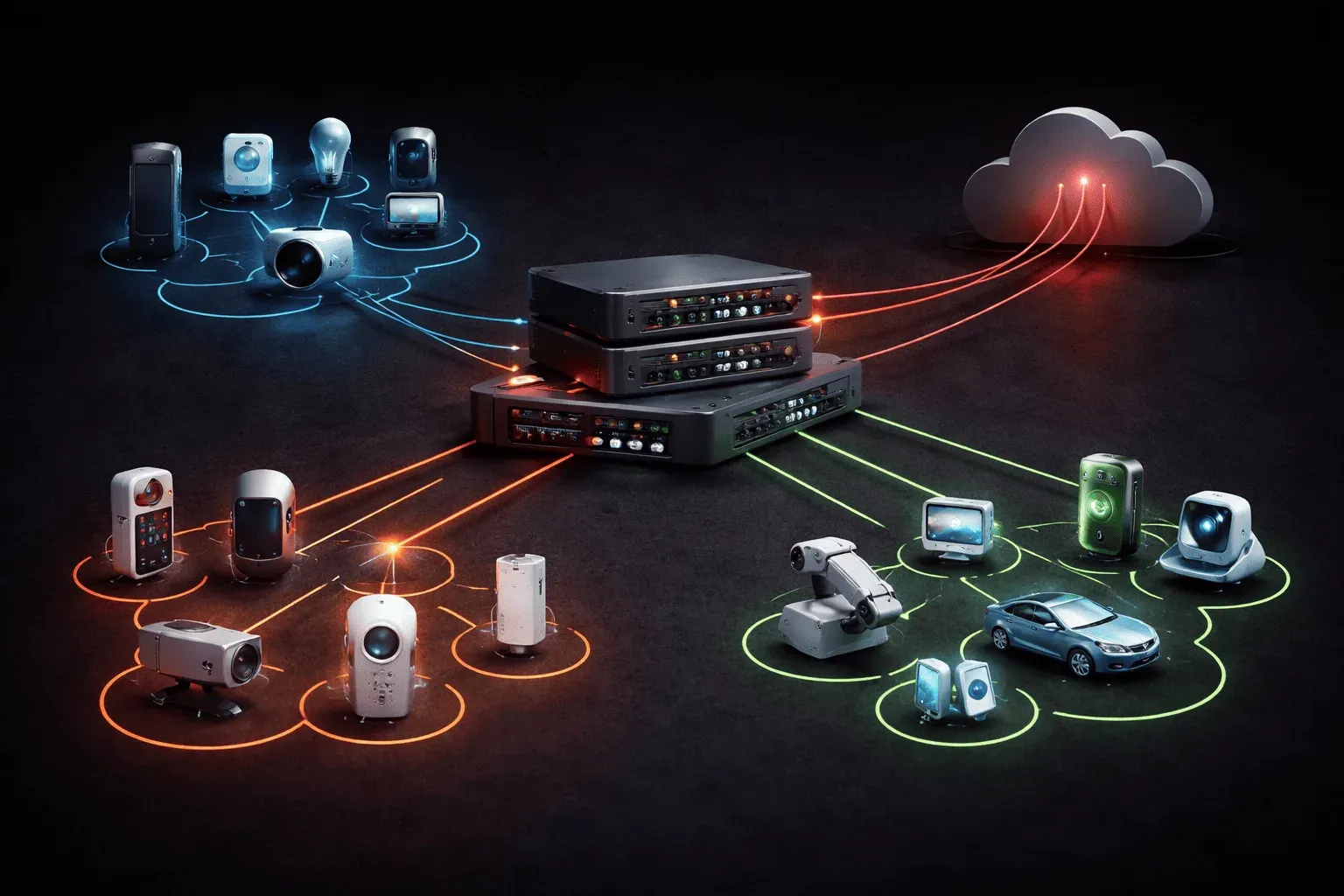
The Internet of Things (IoT) has fundamentally transformed how we design and manage networks. From smart thermostats in homes to industrial sensors in manufacturing facilities, IoT devices are creating new challenges and opportunities for network professionals. Understanding the IoT impact on modern network environments is crucial for anyone working in networking today.
What Makes IoT Networks Different
Traditional networks were designed for computers, servers, and mobile devices that communicate in predictable patterns. IoT networks must support thousands of small devices with unique characteristics:
- Massive device counts: A single building might contain hundreds of sensors, cameras, and controllers
- Low power requirements: Many IoT devices run on batteries for months or years
- Intermittent connectivity: Devices may sleep most of the time, waking only to transmit data
- Diverse protocols: IoT devices use protocols like
MQTT,CoAP, andZigbeealongside traditional TCP/IP
Network Design Considerations for IoT
When planning IoT networks, several key factors require careful consideration:
Bandwidth and Traffic Patterns
IoT devices typically generate small amounts of data frequently rather than large bursts. A temperature sensor might send 50 bytes every 15 minutes, while a security camera streams continuously. This creates unique bandwidth planning challenges that require understanding each device type's communication patterns.
Network Segmentation
Security best practices demand separating IoT devices from critical business systems. This often involves:
- Creating dedicated IoT VLANs
- Implementing network access control (NAC)
- Using micro-segmentation to isolate device types
- Establishing separate wireless networks for IoT devices
Edge Computing Integration
Many IoT implementations benefit from processing data locally rather than sending everything to the cloud. Edge computing reduces latency and bandwidth usage while improving response times for critical applications like industrial automation.
Network Management Challenges
Managing IoT networks presents unique operational challenges that traditional network management tools weren't designed to handle:
Device Discovery and Inventory
With potentially thousands of IoT devices, automated discovery becomes essential. Network monitoring tools must identify devices by their unique characteristics, such as MAC address patterns, communication protocols, and traffic signatures.
Security Monitoring
IoT devices often have weak security implementations, making network-level monitoring critical. Network management systems should:
- Monitor for unusual traffic patterns
- Detect unauthorized device connections
- Alert on devices communicating outside their normal scope
- Track firmware update status across device fleets
Performance Optimization
Quality of Service (QoS) becomes more complex with mixed IoT traffic. Critical devices like medical monitors need guaranteed bandwidth, while environmental sensors can tolerate delays. Network management requires granular traffic classification and prioritization.
Practical Implementation Strategies
Successful IoT network implementations typically follow these approaches:
Start Small and Scale
Begin with a pilot deployment to understand traffic patterns and security requirements. Use network monitoring tools to baseline normal behavior before expanding the deployment.
Choose the Right Connectivity
Different IoT applications require different network technologies. Wi-Fi works well for high-bandwidth devices, while LoRaWAN or NB-IoT serve low-power, wide-area applications better.
Plan for Growth
IoT deployments tend to grow rapidly. Design network infrastructure with sufficient capacity for 3-5 years of expansion, including switch ports, wireless access points, and internet bandwidth.
What's Next
Understanding IoT's impact on network design provides the foundation for implementing these systems successfully. In our next post, we'll dive deep into IoT security considerations, exploring specific threats and mitigation strategies that every network professional should know when deploying IoT solutions.
Tools and resources for this topic
- CompTIA Network+ Study Guide — Comprehensive N10-009 exam preparation covering all five domains.