
Misinformation and Deepfake Risks in AI: What You Need to Know
This post explores AI-generated misinformation and deepfake threats, providing IT professionals with practical detection strategies and organizational defense methods. Learn to identify technical indicators, implement verification workflows, and understand the broader ethical implications of these

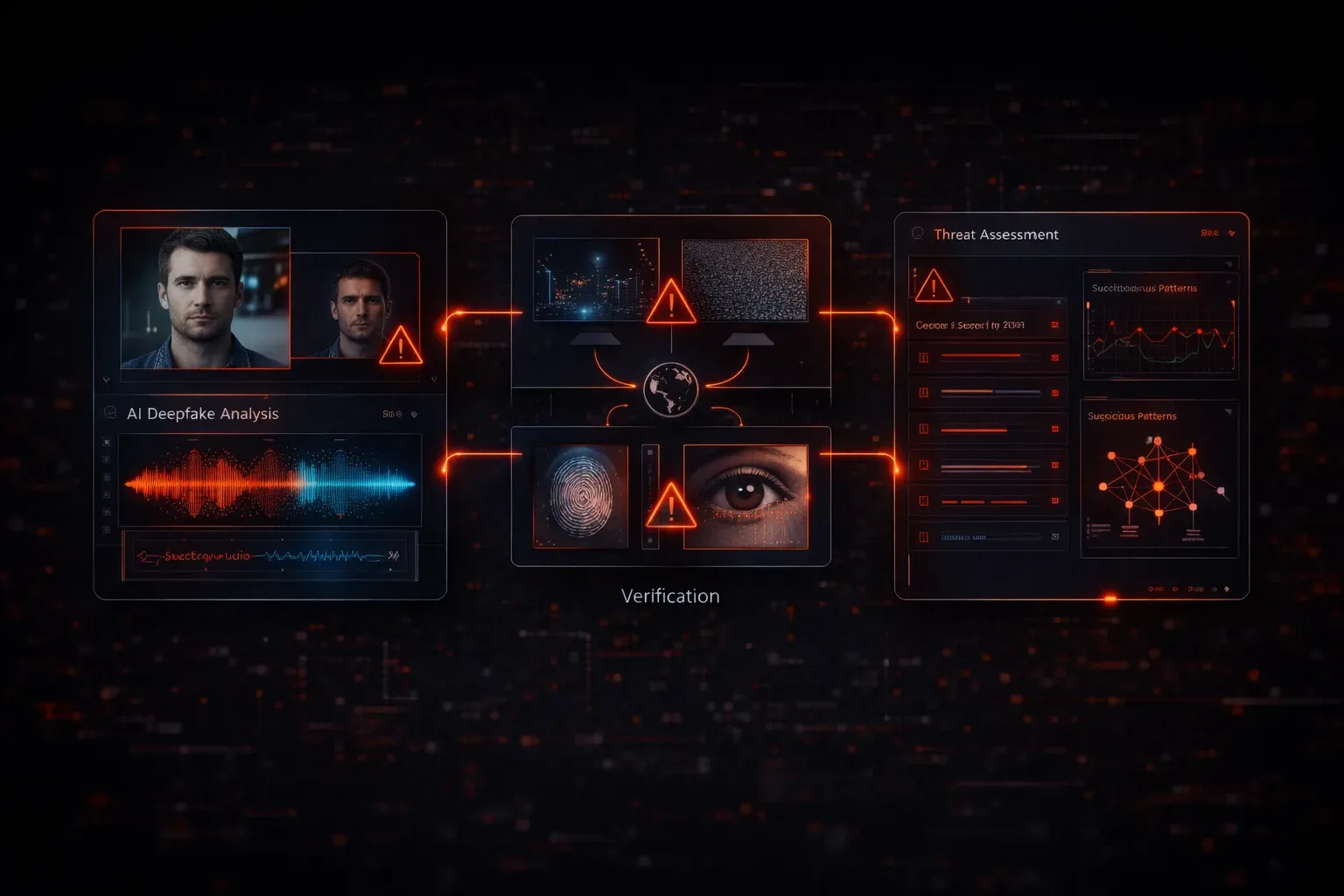
As artificial intelligence becomes more sophisticated, we're witnessing an unprecedented ability to create convincing but false content. For IT professionals entering the AI space, understanding misinformation and deepfake risks isn't just about staying informed; it's about protecting the systems and organizations you support.
Understanding AI-Generated Misinformation
AI misinformation risks extend far beyond simple fake news articles. Modern language models can generate convincing reports, research papers, and technical documentation that appear authoritative but contain fabricated information. These tools can produce content at scale, making manual fact-checking significantly more challenging and resource-intensive, though not impossible with proper verification workflows and sufficient resources.
The challenge for IT professionals is that AI-generated misinformation often passes basic credibility checks. The grammar is perfect, the formatting looks professional, and the technical terminology is used correctly. This makes it particularly dangerous in enterprise environments where decisions are made based on research and documentation.
Real-world example: In 2023, a major tech company's engineering team nearly implemented a security protocol based on a convincingly written technical whitepaper that was later discovered to contain AI-generated vulnerabilities. The document had proper citations, technical diagrams, and appeared to come from a legitimate research institution, but the recommended protocols would have created serious backdoors in their systems.
The Deepfake Threat Landscape
Deepfakes represent perhaps the most visually striking aspect of misinformation deepfake AI technology. These AI-generated videos, audio recordings, and images can convincingly impersonate real people, creating content they never actually produced.
In corporate environments, deepfake threats include:
- CEO fraud: Fake audio or video calls impersonating executives to authorize fraudulent transactions
- Social engineering attacks: Deepfake videos used in phishing campaigns to build trust
- Market manipulation: Fake statements attributed to company leaders to influence stock prices
- Internal sabotage: Fabricated recordings designed to damage employee relationships or company reputation
Case study: A UK-based energy company fell victim to a deepfake audio attack in 2019, where criminals used AI-generated voice technology to impersonate the CEO's voice, successfully convincing a subsidiary's manager to transfer $243,000 to a fraudulent account. The attack was sophisticated enough that the manager recognized the CEO's German accent and speech patterns.
Detection Strategies for IT Professionals
Learning to combat deepfakes and AI misinformation requires developing both technical and analytical skills. Here are practical detection methods:
Technical Indicators
Look for these technical red flags in suspected deepfake content:
- Inconsistent lighting: Facial lighting that doesn't match the environment
- Blurred boundaries: Soft edges around the face or hair, especially during movement
- Temporal inconsistencies: Jewelry, clothing, or background elements that appear and disappear
- Audio-visual sync issues: Lip movements that don't perfectly align with speech patterns
Verification Workflows
Implement systematic verification processes:
# Example verification checklist for suspicious content
1. Source verification: Can you trace the content to its original source?
2. Cross-reference: Does similar information appear in multiple independent sources?
3. Reverse image/video search: Use tools like Google Images or TinEye
4. Technical analysis: Check metadata and compression artifacts
5. Expert consultation: When in doubt, consult with security or legal teams
6. Network traffic analysis: Monitor for unusual data patterns during video calls
7. Baseline comparison: Compare against known authentic samples when available
Building Organizational Defenses
Effective AI ethics implementation requires proactive organizational policies. Start by establishing clear protocols for verifying high-stakes communications, especially those involving financial transactions or sensitive information.
Consider implementing multi-factor verification for critical communications. If your CEO appears to be making an urgent request via video call, establish a secondary verification method; perhaps a text message to their known phone number or a callback to their office.
Employee Education
Regular training sessions should cover current misinformation techniques and detection methods. Include real examples (when appropriate) to help staff recognize sophisticated attempts. Remember that the technology evolves rapidly, so training programs need regular updates.
IT-specific training focus: Network engineers should understand how deepfake content can be delivered through compromised communication channels, while system administrators need to recognize AI-generated malicious documentation that might contain embedded security vulnerabilities.
Tools and Technologies
Several detection tools can help identify AI-generated content, though each has significant limitations:
- Deepware Scanner: Free online tool for detecting deepfake videos (accuracy varies by content quality)
- Microsoft Video Authenticator: Real-time analysis of potentially manipulated media (requires integration with Microsoft ecosystem)
- Intel FakeCatcher: Claims 96% accuracy in detecting deepfake videos (performance depends on training data similarity)
- GPTZero and similar tools: Designed to identify AI-generated text content (accuracy varies significantly, and false positives are common)
How detection works: Most AI content detectors analyze patterns in data that differ from human-created content. Text detectors examine linguistic patterns, repetition rates, and semantic coherence. Video detectors look for compression artifacts, pixel-level inconsistencies, and temporal anomalies. However, these tools work by identifying statistical differences, not absolute proof, making them useful screening tools rather than definitive verification methods.
Critical limitation: Detection tools often struggle with content created by newer AI models they weren't trained to identify, and sophisticated attackers can use adversarial techniques to evade detection. This creates an ongoing arms race where detection tools must constantly evolve.
Remember that this is an arms race. As detection tools improve, so do the techniques for creating convincing fake content. No single tool should be relied upon as definitive proof.
The Broader Impact
Understanding misinformation deepfake AI risks helps you contribute to broader AI ethics discussions in your organization. These technologies don't just create security risks; they can erode trust in legitimate communications and create an environment where "everything could be fake" becomes a default assumption.
This erosion of trust can be just as damaging as the misinformation itself, making it crucial for IT professionals to help their organizations navigate these challenges thoughtfully and systematically.
What's Next
Now that you understand the landscape of AI misinformation risks, our next post will explore bias and fairness in AI systems; another critical area where technical understanding meets ethical responsibility. We'll examine how algorithmic bias manifests in real-world applications and what IT professionals can do to identify and mitigate these issues.