
Using Perplexity AI for Advanced Technical Research in IT
Learn how Perplexity AI revolutionizes technical research for IT professionals by combining real-time web search with AI analysis, providing cited sources and structured approaches to complex technical queries.

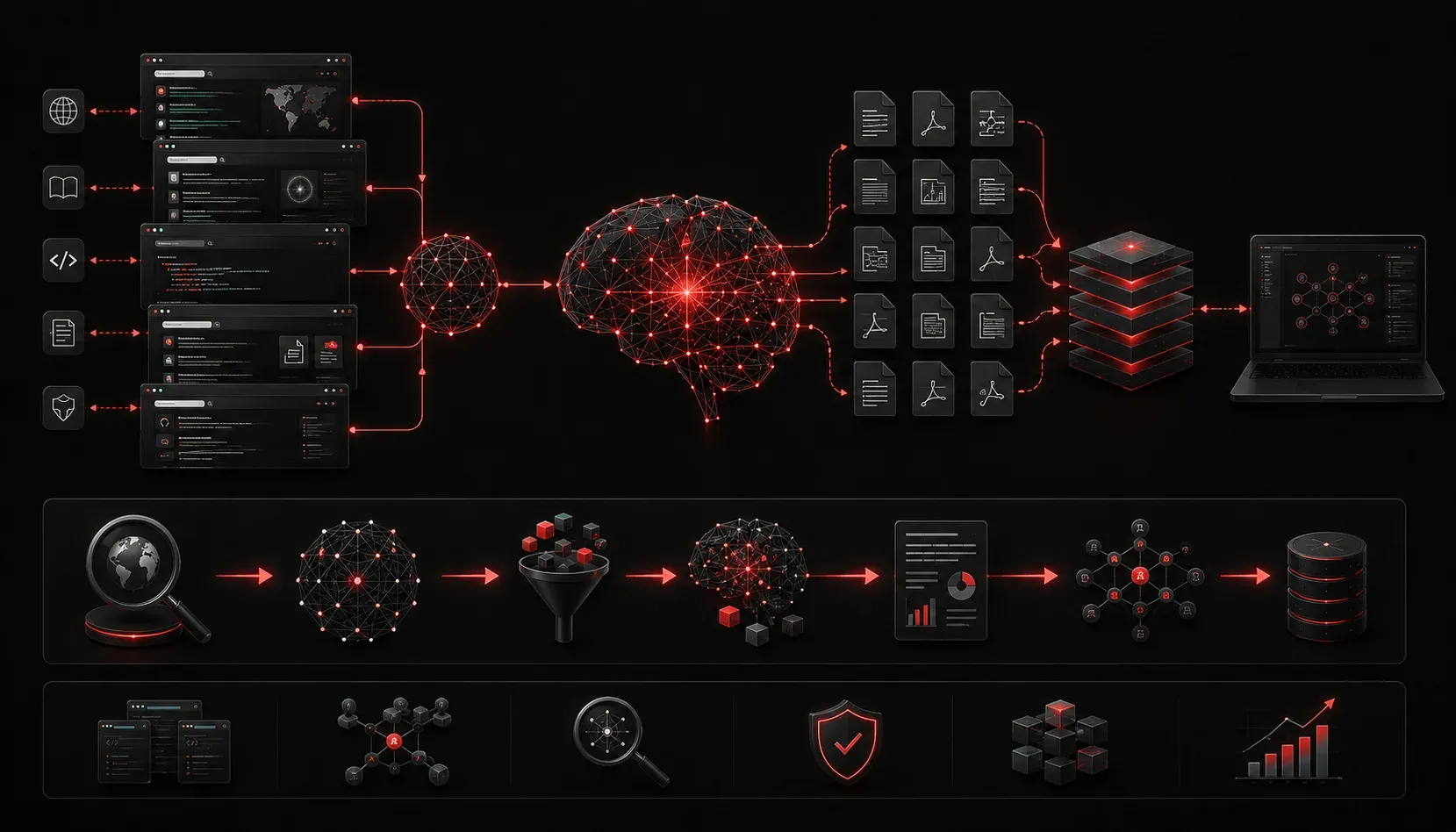
When you're troubleshooting a complex network issue or researching emerging technologies, traditional search engines can leave you drowning in irrelevant results. Perplexity AI changes this dynamic by combining the power of large language models with real-time web search, creating a research assistant that provides accurate, cited information quickly for any professional need.
Unlike ChatGPT or other AI tools that work from training data with knowledge cutoffs, Perplexity AI searches the web in real-time and provides sources for every claim. This real-time search capability means you get the most up-to-date information available, while the citation system allows you to verify claims against original sources, making it invaluable for technical research, where accuracy and timeliness are critical.
Setting Up Perplexity for IT Research
Start by visiting perplexity.ai and creating a free account. The free tier provides substantial functionality with up to 5 searches every 4 hours using their Pro search feature. Perplexity Pro (the paid subscription) offers unlimited Pro searches, file uploads for document analysis, and access to advanced AI models like GPT-4 and Claude-3, which become valuable for complex research projects requiring deeper analysis.
For IT professionals, the key is learning to craft precise queries. Instead of asking "What is OSPF?", try "Compare OSPF convergence times with EIGRP in enterprise networks with 500+ devices." This specificity helps Perplexity understand your technical depth and provide appropriately detailed responses.
Advanced Query Techniques for Technical Topics
Perplexity excels when you use structured queries that mirror how you think about technical problems. Here are proven approaches:
- Comparative Analysis: "Compare Ansible vs Terraform for network automation in multi-vendor environments"
- Troubleshooting Context: "BGP route flapping causes when using route reflectors in MPLS networks"
- Implementation Guidance: "Best practices for deploying Kubernetes networking with Calico CNI"
The platform's strength lies in synthesizing information from multiple technical sources in real-time. When researching a new technology like SD-WAN implementations, Perplexity will pull from vendor documentation, technical blogs, and industry whitepapers published recently, then present a coherent summary with clickable citations. This differs significantly from static AI models that may reference outdated information or miss recent developments.
Leveraging Sources and Follow-up Questions
Every Perplexity response includes numbered citations linking to source material. This transparency is crucial for technical research where you need to verify claims against official documentation or peer-reviewed sources.
Use the suggested follow-up questions that appear after each response. These often reveal research angles you hadn't considered. After asking about "Docker security best practices," you might see suggestions like "How do Docker security tools compare with traditional vulnerability scanners?" or "What are the performance implications of implementing Docker security policies?"
Research Workflows for Complex Projects
For comprehensive technical research, develop a systematic approach:
- Start broad: "Current state of network automation tools 2024"
- Narrow focus: "Python libraries for Cisco device automation compared"
- Get specific: "Netmiko vs NAPALM performance benchmarks for configuration management"
- Implementation details: "Sample Python script using Netmiko for bulk configuration deployment"
This progression allows you to build comprehensive knowledge while maintaining focus on your specific use case.
Integrating Perplexity with Other AI Tools
Perplexity works exceptionally well as part of a broader AI toolkit for technical professionals. Consider this workflow:
- Research phase: Use Perplexity to gather current information with citations
- Analysis phase: Feed Perplexity's findings to ChatGPT or Claude for deeper analysis or code generation
- Documentation phase: Use the research and analysis to create comprehensive technical documentation
This integration leverages each tool's strengths: Perplexity's real-time search and citations, combined with other AI tools' analytical and generative capabilities.
Daily IT Work Integration
Make Perplexity part of your regular workflow by using it for:
- Quick vendor comparison research before purchasing decisions
- Understanding error messages and log entries in context
- Researching security vulnerabilities and patch impacts
- Learning new technologies with curated, cited learning paths
The platform's mobile app ensures you can research technical issues even when away from your desk, making it particularly valuable during on-site troubleshooting scenarios.
What's Next
Now that you understand how Perplexity AI can transform your technical research, consider exploring advanced features like Collections for organizing ongoing research projects, or experimenting with different AI models available in the Pro version for varied analytical approaches. The combination of real-time search, proper citations, and integration possibilities makes Perplexity an essential tool in any technical professional's toolkit.