
A Beginner's Guide to Regulatory Compliance: PCI DSS, HIPAA, GDPR
This post introduces three major regulatory compliance frameworks: PCI DSS, HIPAA, and GDPR. It explains what each standard covers, who it applies to, and how compliance requirements directly connect to endpoint security practices relevant to the CCST Cybersecurity exam.

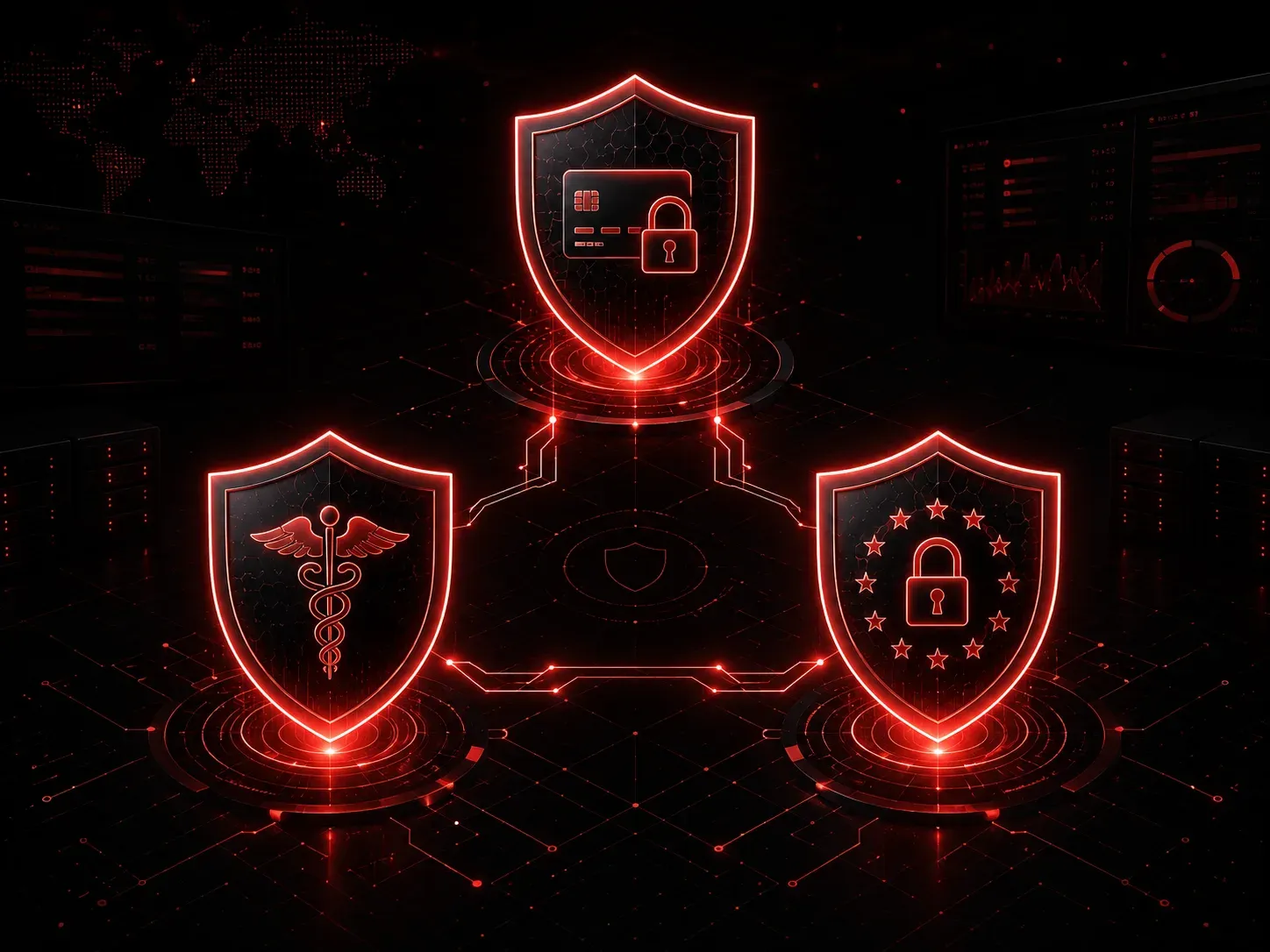
When you start learning cybersecurity, you will quickly encounter acronyms like PCI DSS, HIPAA, and GDPR. These are not just buzzwords. They are legal and industry standards that organizations must follow to protect sensitive data. Understanding regulatory compliance basics is an essential part of the CCST Cybersecurity exam, and more importantly, it is essential for working in any real IT environment.
This post breaks down what these three major frameworks are, why they exist, and how they connect to endpoint security in practical terms.
What Is Regulatory Compliance?
Regulatory compliance means following rules set by governments, industries, or international bodies to protect data and ensure responsible security practices. These rules are not optional. Organizations that fail to comply face fines, legal action, and serious reputational damage.
From an endpoint security perspective, compliance affects how devices are configured, what software is allowed, how data is stored, and who can access what. Every laptop, phone, or workstation in a regulated environment is subject to these rules.
PCI DSS: Protecting Payment Card Data
PCI DSS stands for Payment Card Industry Data Security Standard. It was created by major card brands (Visa, Mastercard, American Express, Discover, and JCB) to protect cardholder data during payment transactions.
If your organization processes, stores, or transmits credit card information, PCI DSS applies to you. Some of the key requirements include:
- Installing and maintaining a firewall configuration to protect cardholder data
- Encrypting transmission of cardholder data across open, public networks
- Using and regularly updating anti-virus software on all systems
- Restricting access to cardholder data on a need-to-know basis
- Tracking and monitoring all access to network resources and cardholder data
From an endpoint standpoint, this means every device that touches payment data must be inventoried, patched, and locked down. A single unmanaged endpoint can put the entire organization out of compliance.
HIPAA: Protecting Healthcare Information
HIPAA stands for Health Insurance Portability and Accountability Act. It is a U.S. federal law that governs how healthcare organizations handle Protected Health Information (PHI). PHI includes anything that could identify a patient, such as their name, diagnosis, medical records, or billing information.
HIPAA's Security Rule focuses specifically on electronic PHI (ePHI) and requires organizations to implement:
- Administrative safeguards: Workforce training, access management policies, and incident response procedures
- Physical safeguards: Controlling physical access to systems that store ePHI
- Technical safeguards: Encryption, audit controls, and automatic logoff on endpoints
For endpoint security, this means that a hospital laptop left unlocked in a hallway is not just a bad habit. It is a potential HIPAA violation with serious financial penalties attached.
GDPR: Protecting Personal Data in Europe
GDPR stands for General Data Protection Regulation. It is a European Union regulation that came into effect in May 2018. Despite being an EU regulation, it applies to any organization worldwide that collects or processes data belonging to EU residents.
GDPR is built around several core principles, including:
- Data must be collected for a specific, legitimate purpose
- Only the minimum necessary data should be collected (data minimization)
- Individuals have the right to access, correct, or delete their data
- Data breaches must be reported to authorities within 72 hours
- Strong technical security measures must be in place to protect personal data
GDPR violations can result in fines of up to 4% of annual global revenue, which makes this a serious business concern, not just a technical one.
How These Standards Connect to Endpoint Security
All three of these frameworks share a common thread: they require organizations to know what devices they have, control what software runs on them, protect the data they handle, and respond quickly when something goes wrong.
In practice, this means:
- Maintaining a current hardware and software inventory (you cannot protect what you do not know about)
- Deploying security patches and approved software consistently across all endpoints
- Encrypting devices, especially laptops and mobile phones used for work
- Enforcing BYOD (Bring Your Own Device) policies that meet compliance requirements
- Keeping reliable data backups to ensure recovery after an incident
Each of these areas maps directly to the endpoint security subdomain covered in the CCST Cybersecurity exam. Regulatory compliance is not a separate topic from endpoint security. It is the reason endpoint security practices exist in the first place.
A Quick Comparison
- PCI DSS: Industry standard, applies to anyone handling payment card data globally
- HIPAA: U.S. federal law, applies to healthcare organizations and their business partners
- GDPR: EU regulation, applies to any organization handling EU residents' personal data
What's Next
Now that you understand why these security standards exist, the next step is learning about BYOD device management and encryption. Managing personal devices in the workplace is one of the trickiest compliance challenges organizations face, and encryption is one of the primary tools used to address it. We will cover both topics in the next post in this series.