
Understanding the CIA Triad in Security
The CIA Triad—Confidentiality, Integrity, and Availability—forms the foundation of information security. This post explains each component with practical examples and real-world applications for Security+ students.

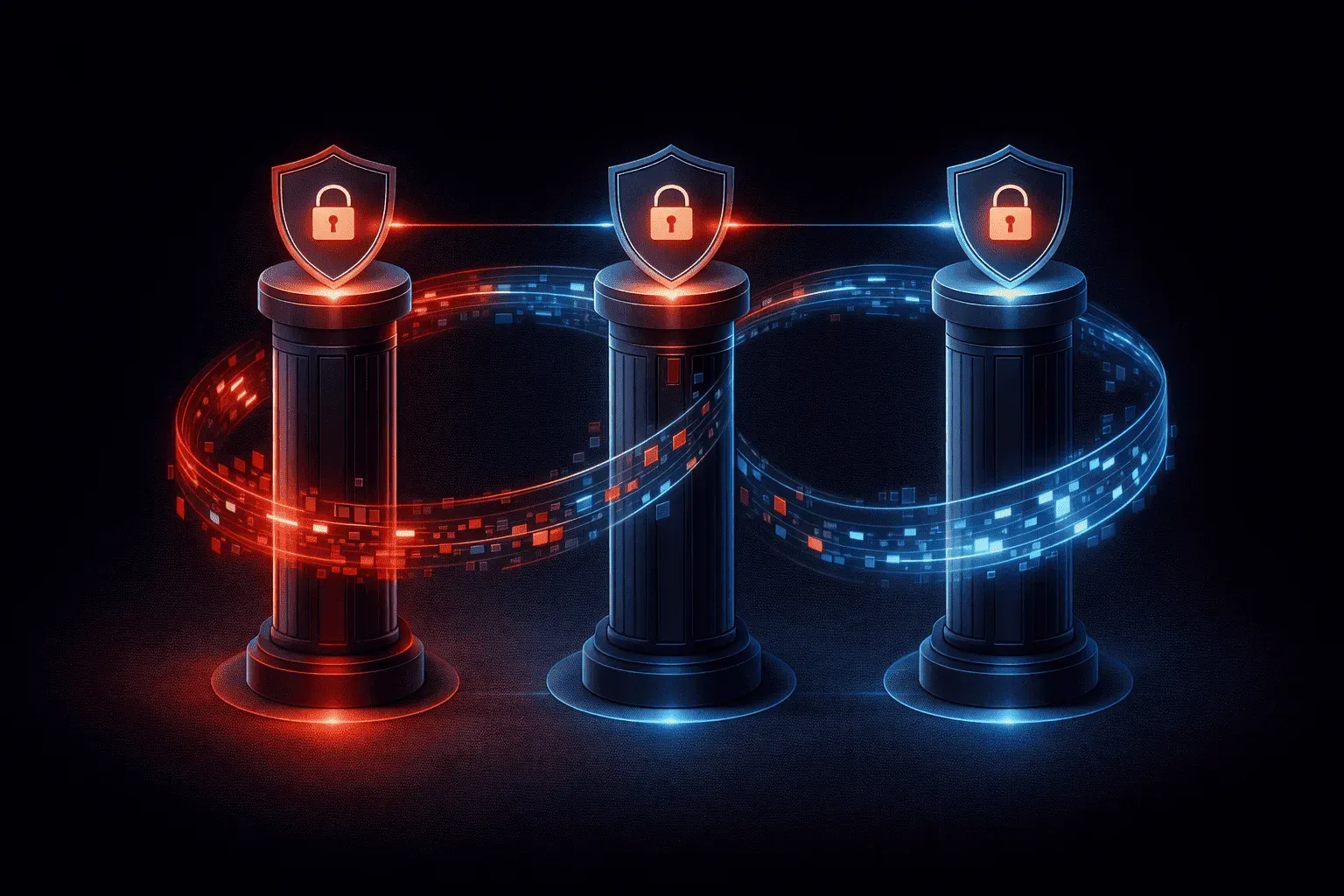
The CIA Triad forms the foundation of all information security practices. Whether you're studying for Security+ or working in cybersecurity, understanding these three pillars, Confidentiality, Integrity, and Availability, is essential for protecting information systems effectively.
Think of the CIA Triad as a three-legged stool. Remove any leg, and the entire structure becomes unstable. Each component plays a critical role in maintaining a robust security posture.
Confidentiality: Keeping Information Private
Confidentiality ensures that sensitive information remains accessible only to authorized individuals. This principle protects data from unauthorized disclosure, whether through malicious attacks or accidental exposure.
Common confidentiality controls include:
- Encryption - Converting data into an unreadable format using algorithms like AES-256
- Access controls - Role-based permissions and multi-factor authentication
- Data classification - Labeling information as public, internal, confidential, or restricted
- Physical security - Locked server rooms and secure workstations
A confidentiality breach occurs when unauthorized parties gain access to sensitive data. Examples include data breaches exposing customer records, insider threats sharing trade secrets, or weak passwords allowing account compromise.
Integrity: Maintaining Data Accuracy
Integrity ensures that information remains accurate, complete, and unaltered by unauthorized parties. This principle protects against both malicious modification and accidental corruption.
Key integrity mechanisms include:
- Hashing algorithms - Using SHA-256 to detect data changes
- Digital signatures - Verifying sender authenticity and message integrity
- Version control - Tracking changes and maintaining audit trails
- Checksums - Mathematical values that detect file corruption
Integrity violations happen when data gets modified without authorization. This could be malware altering system files, attackers changing financial records, or hardware failures corrupting databases. Even seemingly minor changes can have significant consequences.
Availability: Ensuring System Access
Availability guarantees that authorized users can access information and systems when needed. This principle focuses on maintaining operational continuity and preventing service disruptions.
Availability safeguards include:
- Redundancy - Multiple servers, network paths, and power supplies
- Load balancing - Distributing traffic across multiple systems
- Backup systems - Regular data backups and disaster recovery plans
- DDoS protection - Filtering malicious traffic to prevent service overload
Availability attacks aim to disrupt normal operations. Distributed Denial of Service (DDoS) attacks flood systems with traffic, ransomware encrypts critical files, and hardware failures can bring down entire networks.
Real-World Applications
Consider an online banking system. Confidentiality protects customer account details through encryption and secure login processes. Integrity ensures transaction records remain accurate and tamper-proof. Availability keeps the banking platform accessible 24/7 through redundant servers and robust infrastructure.
Security professionals must balance all three elements. Overly restrictive confidentiality measures might impact availability. Excessive availability focus could compromise confidentiality. Effective security requires finding the right equilibrium for your organization's needs.
Common Threats to the CIA Triad
Understanding how attackers target each component helps strengthen defenses:
- Confidentiality threats - Social engineering, weak encryption, privilege escalation
- Integrity threats - Man-in-the-middle attacks, malware injection, unauthorized modifications
- Availability threats - DDoS attacks, ransomware, natural disasters
What's Next
Now that you understand the CIA Triad foundation, we'll explore specific security controls and how they map to these principles. Our next post will dive into authentication mechanisms and how they protect confidentiality through proper identity verification.
Security+ study resources
- CompTIA Security+ Study Guide — Full SY0-701 exam coverage including threats, vulnerabilities, architecture, and operations.