
Understanding Retrieval Augmented Generation (RAG)
Retrieval Augmented Generation (RAG) combines information retrieval with AI generation capabilities, allowing models to access external data sources for more accurate and current responses. This technique addresses knowledge limitations in traditional AI models by enabling them to pull relevant inf

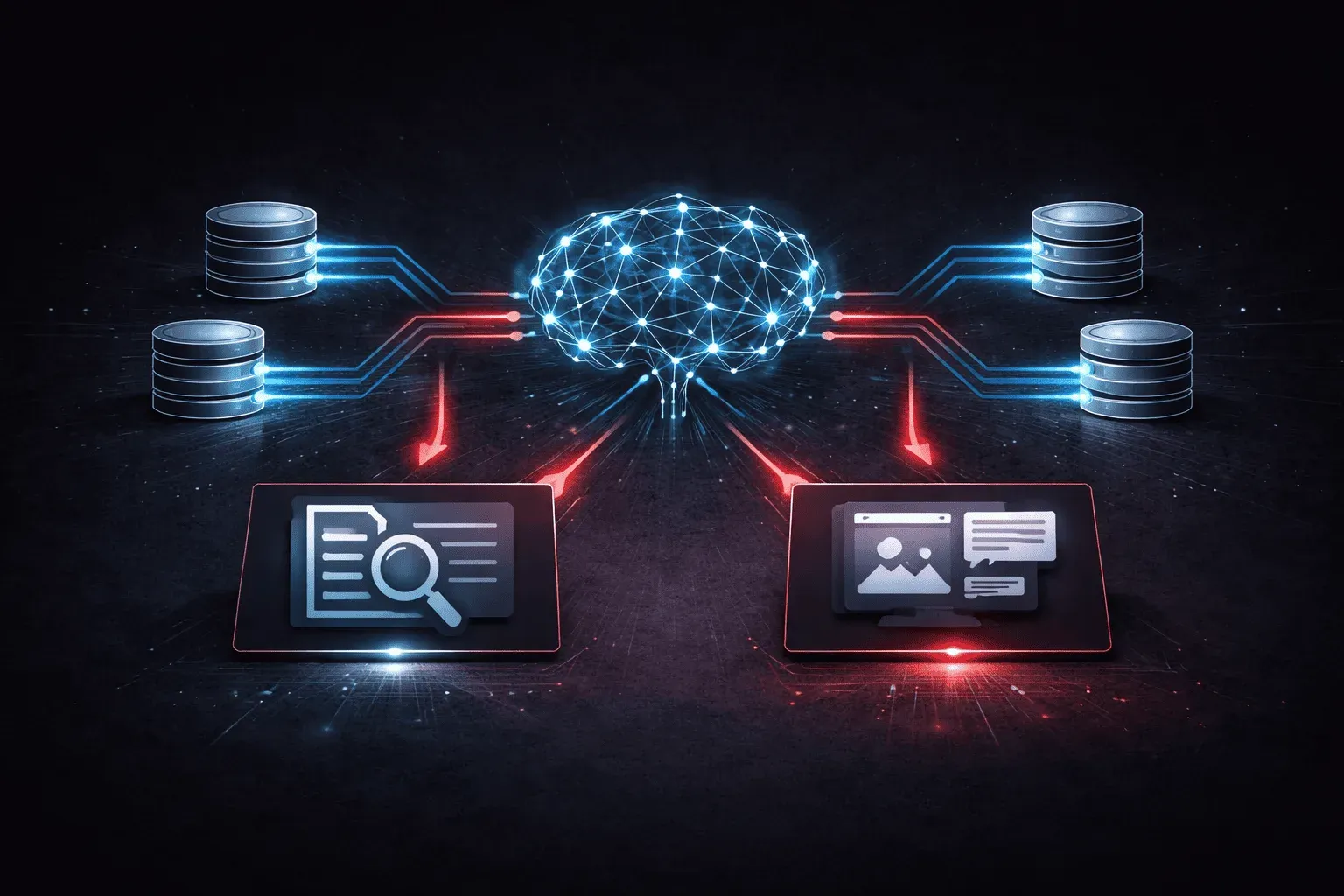
Retrieval Augmented Generation (RAG) represents a breakthrough approach in artificial intelligence that addresses one of the biggest challenges facing modern AI models: accessing and utilizing information that wasn't part of their original training data. Think of it as giving your AI assistant a library card and teaching it how to do research.
What is Retrieval Augmented Generation?
RAG is a technique that combines two powerful capabilities: the ability to retrieve relevant information from external sources and the ability to generate human-like responses. Instead of relying solely on knowledge baked into the model during training, RAG-enabled systems can pull in fresh, specific information from databases, documents, or knowledge bases to inform their responses.
Imagine asking a traditional AI model about yesterday's stock prices. Without RAG, it might say "I don't have access to current market data." With RAG, the same model can retrieve the latest financial information and provide you with accurate, up-to-date numbers.
How RAG Works: The Two-Step Process
RAG operates through a straightforward two-phase approach:
Phase 1: Retrieval
When you ask a question, the system first searches through external data sources to find relevant information. This might include:
- Company databases with product specifications
- Documentation repositories
- Real-time data feeds
- Previous conversation histories
Phase 2: Generation
The AI model then takes both your original question and the retrieved information to generate a comprehensive, contextually accurate response. The model essentially becomes a skilled researcher that can find relevant facts and synthesize them into a coherent answer.
Why RAG Matters for Modern AI Models
Traditional machine learning approaches face several limitations that RAG elegantly solves:
Knowledge Cutoffs: Most AI models are trained on data up to a specific date. RAG allows them to access information beyond their training cutoff, making them current and relevant.
Domain-Specific Expertise: While a general AI model might know about networking concepts, RAG can pull from your company's specific Cisco configuration standards or troubleshooting procedures.
Factual Accuracy: By grounding responses in retrieved documents, RAG reduces the likelihood of AI models generating plausible-sounding but incorrect information, a phenomenon known as "hallucination."
Real-World RAG Applications
RAG is already transforming how organizations deploy AI models:
Customer Support: AI chatbots use RAG to pull from current product manuals, FAQ databases, and ticket histories to provide accurate technical support.
Network Documentation: Engineers can query AI systems that retrieve information from network diagrams, configuration files, and change logs to assist with troubleshooting.
Compliance and Legal: AI systems can reference up-to-date regulatory documents and company policies to ensure recommendations stay compliant with current requirements.
The Technical Foundation
Under the hood, RAG systems typically use vector databases and semantic search to quickly find relevant information. When you ask a question, the system converts your query into a mathematical representation (a vector) and searches its knowledge base for similar vectors. This allows for nuanced matching, finding relevant information even when the exact words don't match.
For example, asking about "network downtime" might retrieve documents about "service interruptions" or "connectivity issues" because these concepts are semantically related.
Benefits and Considerations
RAG offers significant advantages: improved accuracy, access to current information, and the ability to work with proprietary data without retraining entire models. However, it also introduces complexity around data retrieval systems and requires careful curation of source materials to ensure quality responses.
What's Next
Now that you understand the fundamentals of Retrieval Augmented Generation, our next post will dive into the practical aspects of implementing RAG systems, including choosing the right vector databases and designing effective retrieval strategies for your specific use case.