
What is Secure Access in Networking?
Secure access is the combination of authentication, authorization, and accounting that controls who can reach network resources and what they can do. This post introduces AAA fundamentals and key technologies like VPNs, 802.1X, and firewalls. It is written for CCST Cybersecurity candidates beginnin

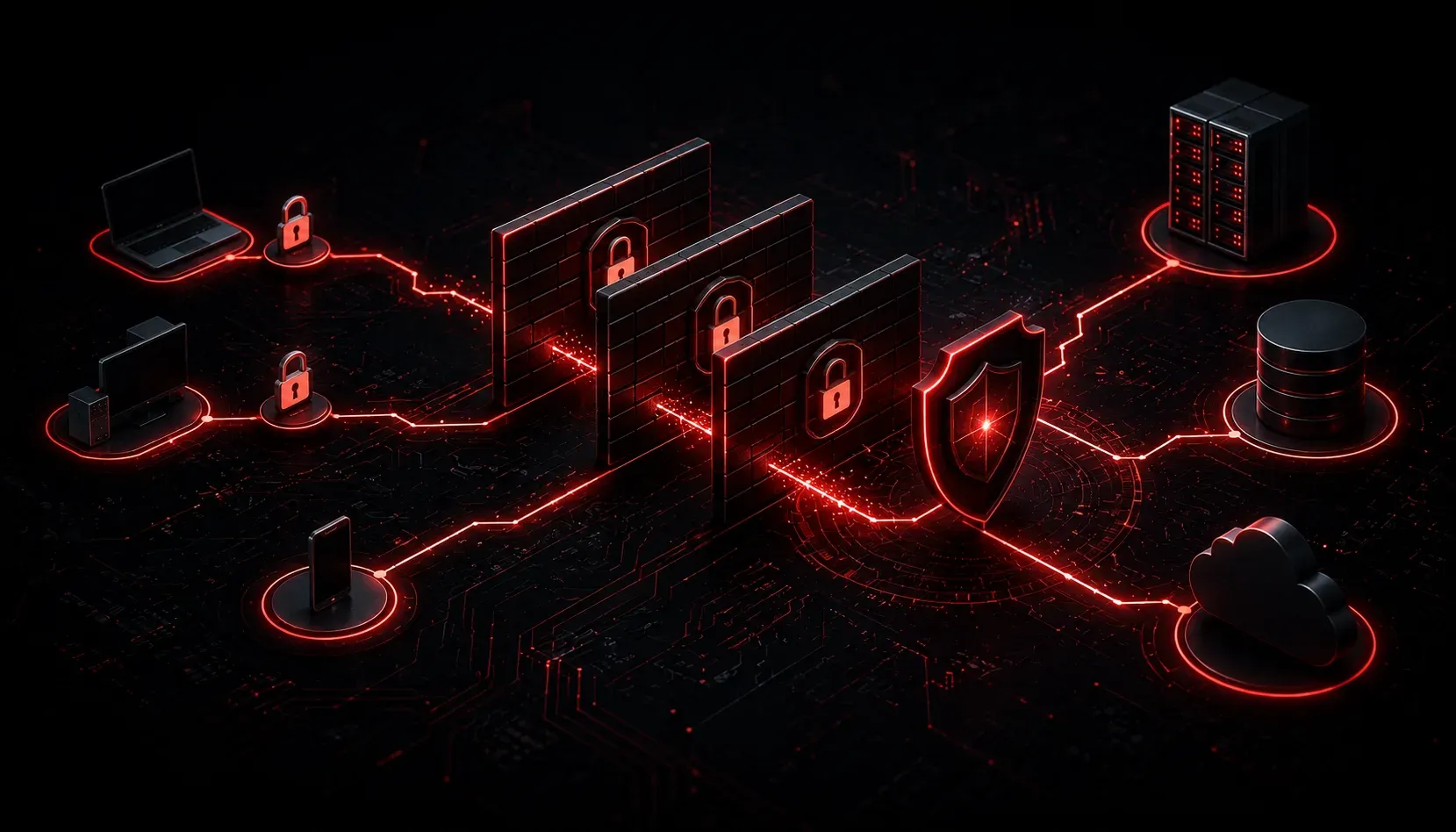
What is Secure Access in Networking?
Every time you log into a work computer, connect to a company Wi-Fi network, or access a cloud application, something is happening behind the scenes: a system is deciding whether you should be allowed in. That decision-making process is at the heart of what we call secure access. Understanding this concept is foundational to network security basics and is directly tested on the CCST Cybersecurity exam.
Defining Secure Access
Secure access refers to the set of policies, technologies, and practices that ensure only authorized users and devices can reach specific network resources. It is not a single product or setting. It is a layered approach to controlling who gets in, what they can do once inside, and how their activity is monitored.
Think of it like a secure office building. There is a front desk that checks your ID (authentication), a keycard system that only lets you into rooms you are approved for (authorization), and security cameras that record activity (auditing). Network security works the same way.
The Three Pillars of Secure Access
Authentication
Authentication answers the question: Who are you? Before granting access to any resource, a system must verify your identity. Common authentication methods include:
- Passwords: The most basic form, though weakest on its own.
- Multi-Factor Authentication (MFA): Combines something you know (password) with something you have (a phone app code) or something you are (fingerprint).
- Certificates: Digital files that verify the identity of a device or user cryptographically.
Authorization
Authorization answers the question: What are you allowed to do? Once your identity is confirmed, the system checks what permissions you have. A regular employee might access email and internal files, while a network administrator can modify router configurations. This separation is a key principle of access control called least privilege: give users only the access they actually need, nothing more.
Accounting (Auditing)
Accounting answers the question: What did you do? Systems log user activity so that security teams can review who accessed what, when, and from where. This is critical for detecting suspicious behavior and investigating security incidents. Together, these three concepts are commonly abbreviated as AAA (Authentication, Authorization, and Accounting).
Why Secure Access Matters for Data Protection
Without proper access controls, any user on your network could potentially read sensitive files, modify system configurations, or exfiltrate data. Real-world data breaches frequently trace back to compromised credentials or misconfigured access permissions. Enforcing secure access directly reduces your attack surface by limiting what any single account or device can reach.
Consider a simple example: if every employee at a hospital had access to every patient record, the risk of accidental or intentional data exposure would be enormous. Role-based access control (RBAC) ensures that a billing clerk sees financial records, a nurse sees clinical notes, and neither sees what the other has access to.
Common Technologies That Enable Secure Access
- Firewalls: Filter traffic based on rules, blocking unauthorized connections at the network boundary.
- VPNs (Virtual Private Networks): Encrypt remote connections so users can securely access internal resources from outside the office.
- 802.1X: A network access control protocol that requires devices to authenticate before joining a wired or wireless network.
- Identity Providers (IdPs): Centralized systems like Cisco Duo or Microsoft Entra ID that manage authentication and enforce MFA policies.
Putting It Together
Secure access is not one checkbox you tick. It is an ongoing practice that combines strong authentication, carefully defined permissions, and continuous monitoring. As you study for the CCST Cybersecurity exam, keep coming back to this framework: who is trying to get in, what should they be allowed to reach, and how will you know if something goes wrong?
What's Next
Now that you understand the basics of secure access, the next step is exploring how firewalls fit into network security. Firewalls are one of the primary tools used to enforce access control at the network boundary, and understanding how they filter traffic will build directly on what you have learned here. Stay tuned for our next post covering firewall fundamentals for the CCST Cybersecurity exam.