
How Cloud Computing Shapes Modern Networks
Cloud computing fundamentally transforms modern networks by changing traffic patterns, scalability requirements, and management approaches. While offering benefits like flexibility and cost optimization, it introduces challenges including bandwidth concerns and security complexity.

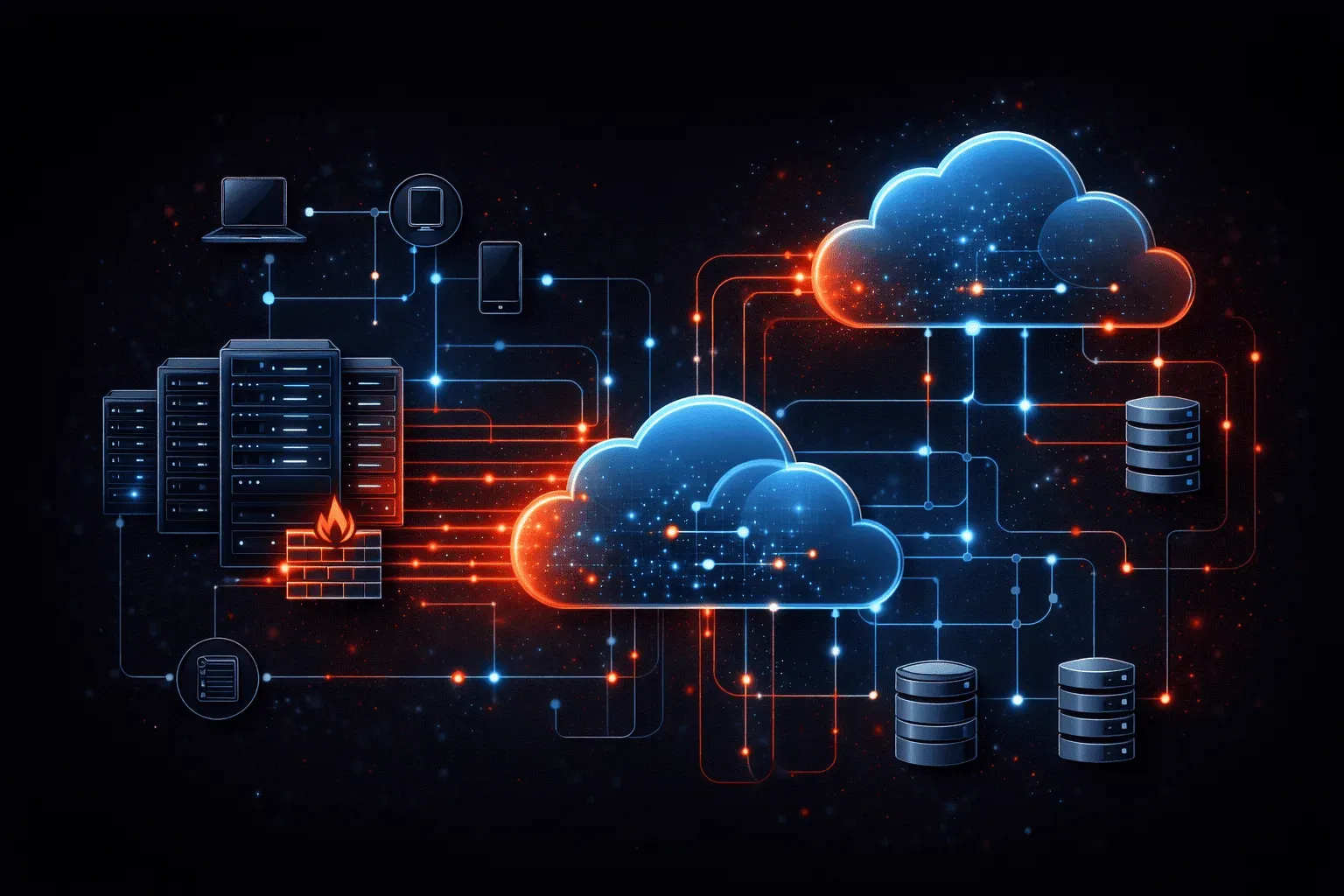
Cloud computing has fundamentally transformed how we design, implement, and manage modern networks. Understanding this transformation is crucial for anyone working in IT today, as cloud services now drive many of the decisions we make about network architecture and operations.
What Is Cloud Computing's Network Impact?
When organizations adopt cloud services, they're not just changing where their applications run; they're changing how their entire network operates. Cloud computing networks must handle different traffic patterns, security requirements, and performance expectations compared to traditional on-premises setups.
Think of it this way: instead of all your traffic staying within your building's network, much of it now travels across the internet to reach cloud providers like AWS, Microsoft Azure, or Google Cloud. This shift creates both opportunities and challenges that network professionals must address.
Network Benefits from Cloud Computing
The cloud influence on networking brings several significant advantages:
Scalability and Flexibility
Cloud-based networks can scale resources up or down based on demand. Need more bandwidth for a big project? You can provision it instantly rather than waiting weeks for new hardware installation. This elasticity means your network can adapt to changing business needs in real-time.
Cost Optimization
Traditional networks require significant upfront investment in hardware, software licenses, and maintenance contracts. Cloud computing shifts this to an operational expense model where you pay for what you use. This approach often reduces total cost of ownership, especially for smaller organizations.
Geographic Distribution
Cloud providers offer global infrastructure that would be impossible for most organizations to build themselves. You can deploy services closer to your users worldwide, improving performance and user experience without managing physical locations.
Enhanced Redundancy
Cloud providers build redundancy into their infrastructure at multiple levels. Your network services can automatically failover between data centers, providing reliability that's difficult to achieve with traditional setups.
Network Challenges in Cloud Environments
However, network challenges emerge alongside these benefits:
Bandwidth and Latency Concerns
Moving data and applications to the cloud means your internet connection becomes critical. A slow or unreliable internet link can bottleneck your entire operation. Organizations often need to upgrade their WAN connections and implement multiple internet service providers for redundancy.
Security Complexity
Cloud environments introduce new security considerations. Network traffic now flows between your premises and cloud providers, requiring careful attention to encryption, access controls, and monitoring. The shared responsibility model means you're still accountable for securing your portion of the cloud infrastructure.
Reduced Direct Control
In traditional networks, you control every switch, router, and cable. Cloud computing means relying on your provider's infrastructure and policies. While this reduces management overhead, it also means less granular control over network behavior and troubleshooting.
Hybrid Complexity
Most organizations adopt hybrid approaches, keeping some services on-premises while moving others to the cloud. Managing these hybrid environments requires new skills and tools to ensure seamless connectivity and consistent security policies across both environments.
Practical Implementation Considerations
When planning for cloud adoption, consider these network factors:
- Bandwidth planning: Calculate current and projected data transfer requirements
- Connection redundancy: Implement multiple internet connections and consider dedicated cloud connections like AWS Direct Connect
- Security architecture: Design network segmentation and access controls for cloud resources
- Monitoring strategy: Ensure you can monitor performance and troubleshoot issues across hybrid environments
What's Next
Understanding cloud computing's impact on networks sets the foundation for exploring specific cloud service models. In our next post, we'll dive into the differences between Infrastructure as a Service (IaaS), Platform as a Service (PaaS), and Software as a Service (SaaS), and how each affects your network architecture decisions.
Network+ study resources
- CompTIA Network+ Study Guide — Full N10-009 exam coverage across all five domains. Essential exam preparation.