
Data Asset Management: Protecting Sensitive Information
Data asset management involves systematically identifying, classifying, protecting, and controlling access to sensitive information. This includes implementing data classification schemes, appropriate storage and encryption strategies, role-based access controls, and lifecycle management policies.

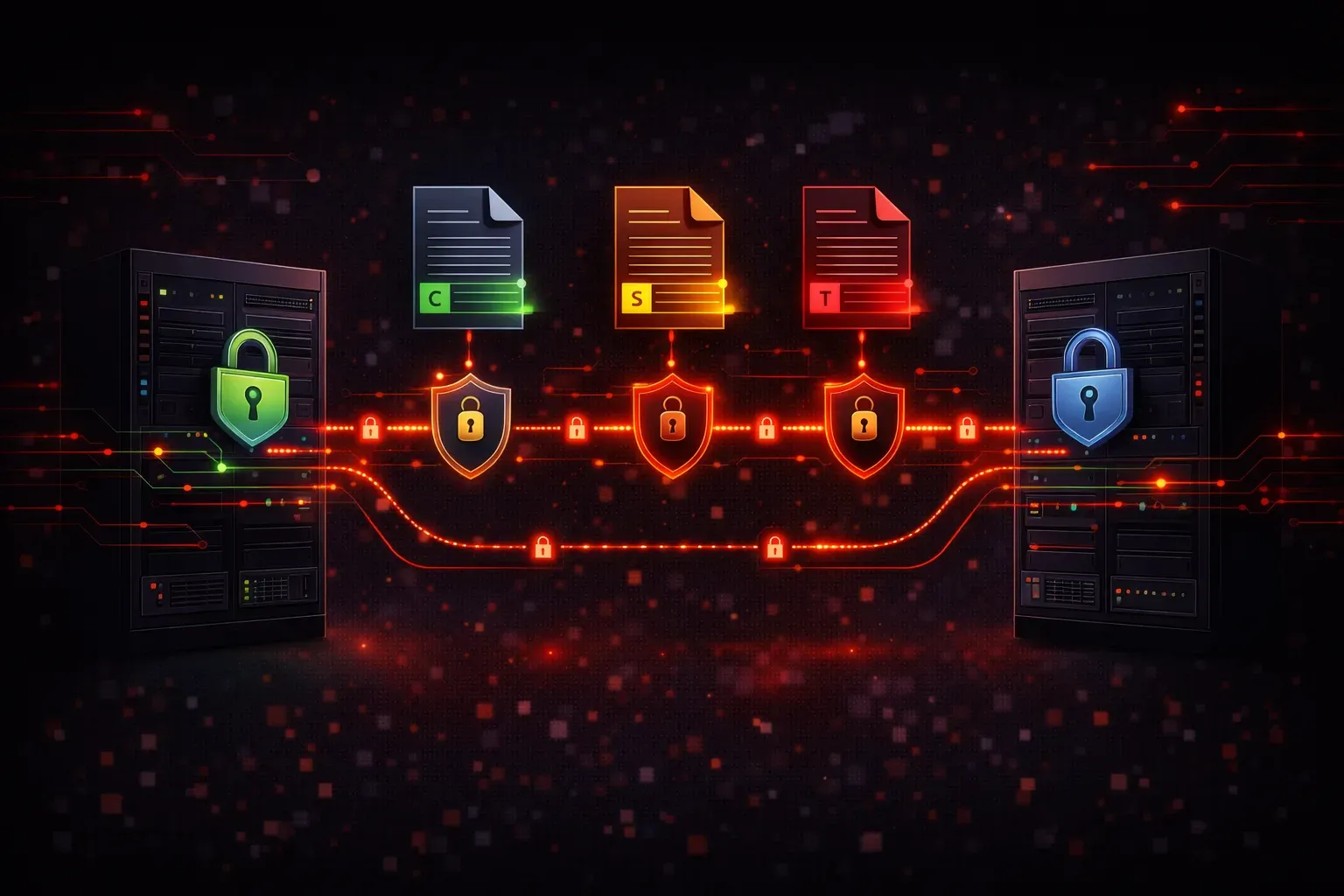
Understanding Data Asset Management
In today's digital landscape, organizations handle massive amounts of sensitive information, from customer records and financial data to intellectual property and trade secrets. Data asset management is the systematic approach to identifying, classifying, protecting, and controlling access to this valuable information throughout its entire lifecycle.
Think of data asset management as creating a comprehensive inventory of your organization's information assets, then applying appropriate security controls based on each asset's value and sensitivity. Just as you wouldn't store cash and paperclips in the same security vault, different types of data require different levels of protection.
Data Classification: The Foundation
Effective data classification forms the backbone of any data asset management strategy. Organizations typically use a tiered classification system:
- Public: Information that can be freely shared without harm (marketing materials, published reports)
- Internal: Information intended for internal use but not highly sensitive (employee directories, internal policies)
- Confidential: Sensitive business information that could cause damage if disclosed (financial records, customer data)
- Restricted/Top Secret: Highly sensitive information requiring maximum protection (trade secrets, classified government data)
Each classification level determines specific handling requirements, storage restrictions, and access controls. For example, confidential data might require encryption both in transit and at rest, while public data may only need basic integrity protections.
Data Storage and Protection Strategies
Once you've classified your data assets, implementing appropriate data protection measures becomes crucial. Modern organizations must consider multiple storage scenarios:
Encryption Requirements
Sensitive data should be encrypted using industry-standard algorithms. For data at rest, consider AES-256 encryption for databases and file systems. For data in transit, ensure TLS 1.3 or higher protocols are used for all communications.
Backup and Recovery
Implement the 3-2-1 backup rule: maintain three copies of critical data, store them on two different media types, and keep one copy offsite. Test recovery procedures regularly to ensure data availability when needed.
Data Loss Prevention (DLP)
Deploy DLP solutions to monitor and control data movement. These systems can automatically detect attempts to transmit classified information outside approved channels and either block or alert on suspicious activities.
Access Control Implementation
Robust access control ensures that only authorized individuals can access specific data assets. Implement a multi-layered approach:
Role-Based Access Control (RBAC)
Assign permissions based on job functions rather than individual users. A financial analyst should have read access to budget reports but not to HR records. This approach simplifies management and reduces the risk of excessive privileges.
Principle of Least Privilege
Grant users the minimum level of access required to perform their duties. Regularly review and audit permissions to ensure they remain appropriate as roles change.
Multi-Factor Authentication (MFA)
Require additional authentication factors for accessing sensitive data assets. This might include something you know (password), something you have (token), or something you are (biometric).
Lifecycle Management
Data asset management extends beyond initial classification and protection. Establish clear policies for:
- Data retention: How long should different types of data be kept?
- Secure disposal: How do you permanently delete data when it's no longer needed?
- Data sharing: What approvals are required before sharing classified information?
- Regular reviews: Periodically reassess data classifications as business needs evolve
Monitoring and Compliance
Implement logging and monitoring systems to track who accesses what data and when. This audit trail becomes critical for compliance requirements like GDPR, HIPAA, or SOX, and helps detect potential data breaches or insider threats.
Consider automated tools that can scan repositories for sensitive information like Social Security numbers or credit card data, helping ensure proper classification and protection across your entire data landscape.
What's Next
Now that you understand the fundamentals of data asset management, we'll explore incident response procedures — the critical processes for handling security incidents when data protection measures fail or are bypassed.
Tools and resources for this topic
- CompTIA Security+ Study Guide — Full SY0-701 exam coverage including threats, vulnerabilities, and mitigation.