
How to Implement Effective Data Masking
A comprehensive guide to implementing data masking techniques for protecting sensitive data in non-production environments. Covers step-by-step implementation, masking methods, code examples, and best practices.

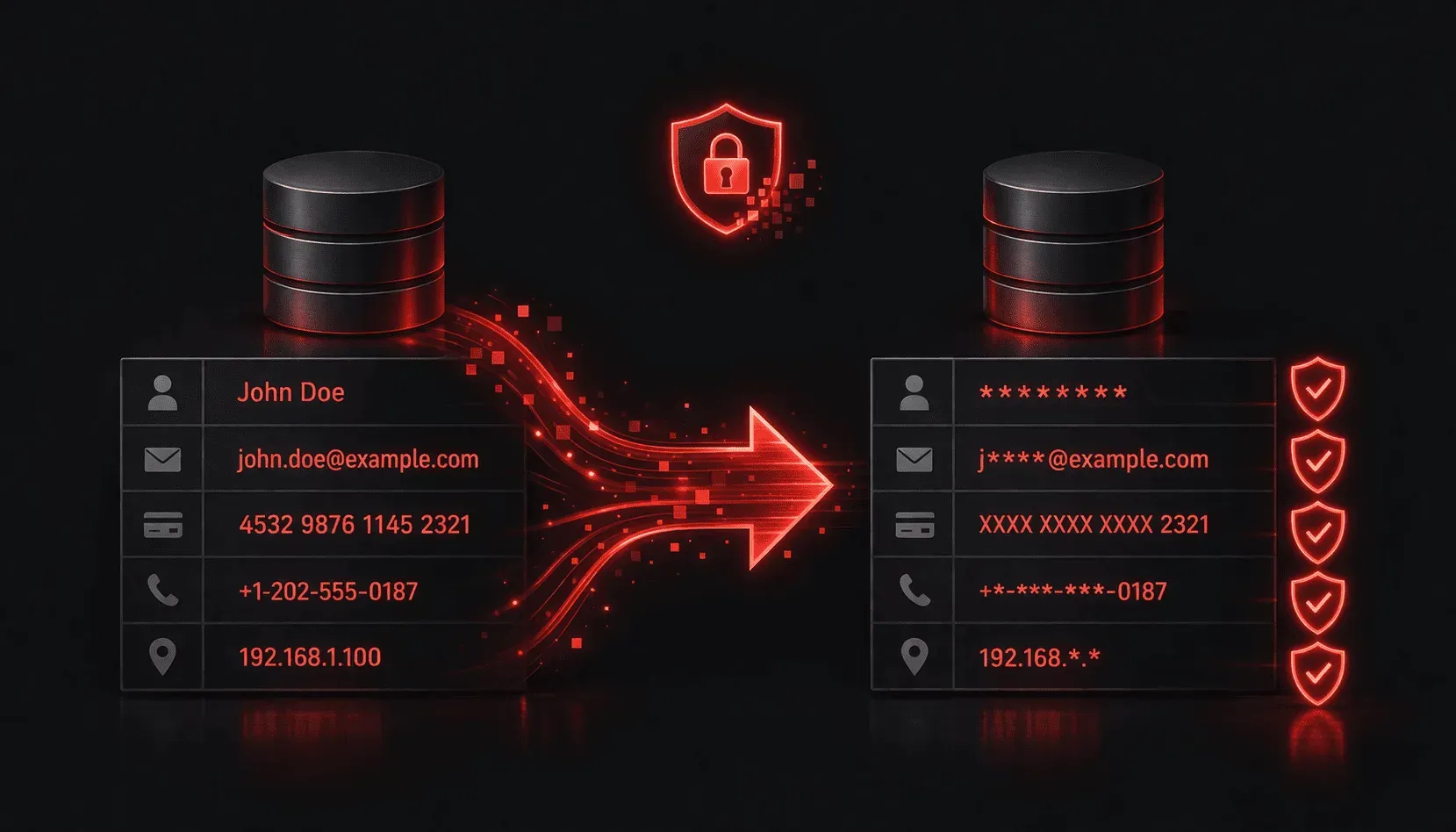
Data masking is one of the most effective ways to protect sensitive data while maintaining the usability of your datasets for testing, development, and analytics. If you're preparing for Security+ or working in cybersecurity, understanding how to implement data masking is essential for creating secure non-production environments.
Let's walk through a practical approach to implementing data masking that you can apply in real-world scenarios.
Understanding Data Masking Fundamentals
Data masking replaces sensitive information with fictitious but realistic data that maintains the same format and characteristics as the original. Unlike encryption, masked data cannot be reversed to reveal the original values, making it perfect for development and testing environments.
Common data types that require masking include:
- Social Security Numbers (SSNs)
- Credit card numbers
- Email addresses
- Phone numbers
- Names and addresses
- Medical record numbers
Step-by-Step Data Masking Implementation
Step 1: Identify Sensitive Data
Start by conducting a data discovery scan to locate sensitive information across your databases. Use tools like grep for text files or database queries to identify patterns:
-- Find potential SSN patterns in database
SELECT column_name, table_name
FROM information_schema.columns
WHERE column_name LIKE '%ssn%' OR column_name LIKE '%social%';
Step 2: Choose Your Masking Technique
Select the appropriate masking method based on your data type and requirements:
- Static Masking: Replace values with fixed alternatives (e.g., "John Doe" becomes "Jane Smith")
- Dynamic Masking: Mask data in real-time based on user privileges
- Format-Preserving: Maintain original data format (e.g., XXX-XX-1234 for SSNs)
- Substitution: Replace with values from a lookup table
Step 3: Implement Basic Masking Rules
Here's a practical example using SQL Server's data masking functions:
-- Add dynamic data mask to existing column
ALTER TABLE Customers
ALTER COLUMN SSN ADD MASKED WITH (FUNCTION = 'partial(0,"XXX-XX-",4)')

-- Create masked email addresses
ALTER TABLE Customers
ALTER COLUMN Email ADD MASKED WITH (FUNCTION = 'email()')

-- Mask credit card numbers
ALTER TABLE Orders
ALTER COLUMN CreditCard ADD MASKED WITH (FUNCTION = 'partial(0,"XXXX-XXXX-XXXX-",4)')
Step 4: Create Masking Scripts
For more control, develop custom masking scripts. Here's a Python example for CSV files:
import pandas as pd
import random

def mask_ssn(ssn):
    if pd.isna(ssn):
        return ssn
    return f"XXX-XX-{str(ssn)[-4:]}"

def mask_email(email):
    if pd.isna(email):
        return email
    domain = email.split('@')[1]
    return f"user{random.randint(1000,9999)}@{domain}"

# Apply masking to DataFrame
df = pd.read_csv('customer_data.csv')
df['SSN'] = df['SSN'].apply(mask_ssn)
df['Email'] = df['Email'].apply(mask_email)
df.to_csv('masked_customer_data.csv', index=False)
Step 5: Test and Validate
Always verify your masking implementation:
- Confirm sensitive data is properly obscured
- Verify data relationships remain intact
- Test application functionality with masked data
- Ensure performance isn't significantly impacted
Best Practices for Data Masking
Follow these guidelines to ensure effective implementation:
- Maintain referential integrity: Ensure foreign key relationships work with masked data
- Use consistent masking: The same original value should always produce the same masked value
- Document your approach: Keep records of what data is masked and how
- Regular audits: Periodically review masked data to ensure it remains non-identifiable
Common Pitfalls to Avoid
Watch out for these frequent mistakes:
- Leaving audit logs unmasked
- Forgetting about backup files
- Using predictable masking patterns
- Not masking derived or calculated fields
What's Next
Now that you understand how to implement basic data masking, the next step is learning about tokenization and how it differs from masking. We'll explore when to use each technique and how they can work together in a comprehensive data protection strategy.
Tools and resources for this topic
- CompTIA Security+ Study Guide — Full SY0-701 exam coverage including threats, vulnerabilities, and mitigation.