
How Network Attacks Impact Your Devices
Network attacks have far-reaching consequences beyond data theft, affecting device performance, operational continuity, and personal finances. Understanding these real-world impacts helps justify the importance of robust network security measures for individuals and organizations.

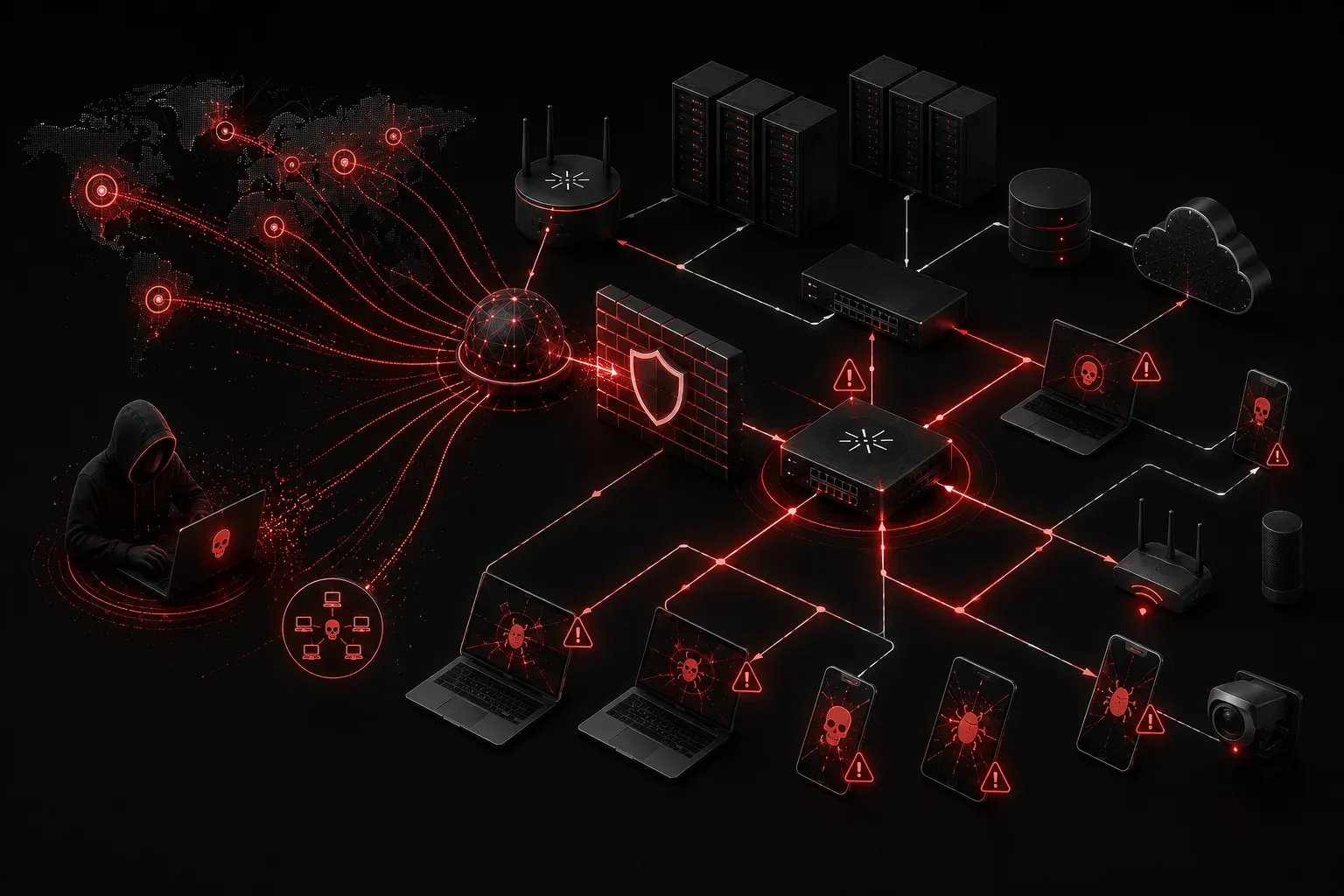
When we think about network security, it's easy to focus on the technical details of firewalls and encryption. But let's step back and look at the real-world impact of network attacks on the devices we use every day. Understanding these consequences helps explain why network security isn't just an IT department concern; it affects everyone.
Direct Device Impact
Network attacks don't just steal data; they can fundamentally compromise how your devices function. When malware infiltrates through network vulnerabilities, it can consume system resources, slow performance, or even render devices completely unusable.
Consider a distributed denial of service (DDoS) attack targeting your organization's network. While the attack aims at network infrastructure, the network impact cascades to every connected device. Employees' laptops become sluggish, smartphones can't access company resources, and critical servers may become unreachable. A single network-based attack creates a ripple effect across all connected hardware.
Performance Degradation
One of the most immediate effects you'll notice is performance issues. Network attacks often involve malicious traffic flooding your connection or malware running in the background. Your normally responsive laptop might take minutes to open applications, or video calls might become impossible due to bandwidth consumed by malicious activity.
For example, if your device becomes part of a botnet through a network-based infection, it's now participating in attacks against other targets. This means your device's processing power and network connection are being used without your knowledge, leading to noticeable slowdowns.
Data and Privacy Consequences
Security threats through network attacks often target the valuable information stored on your devices. Once attackers gain network access, they can deploy tools to extract sensitive data from multiple devices simultaneously.
Personal devices might lose family photos, financial information, or work documents. In organizational settings, the stakes are even higher. A single compromised device on the network can provide attackers with access to customer databases, intellectual property, or regulatory compliance data.
Identity and Financial Impact
Network attacks frequently focus on identity theft and financial fraud. When your device security is compromised through network vulnerabilities, attackers can capture login credentials, banking information, or personal identification details. This information gets used for unauthorized purchases, loan applications, or even creating fake identities.
The cleanup process from identity theft can take months or years, involving credit monitoring, legal documentation, and financial recovery efforts that extend far beyond the initial network attack.
Operational Disruption
Beyond individual device problems, network attacks create significant operational challenges. When security threats target network infrastructure, entire organizations can lose productivity for days or weeks.
Consider a ransomware attack that spreads through network shares. Every connected device (from desktop computers to network printers) becomes encrypted and unusable. Employees can't access files, email systems go offline, and critical business processes halt completely. The impact of network attacks multiplies as operational dependencies become clear.
Recovery Costs and Time
Device recovery after network attacks involves more than just removing malware. Organizations often need to rebuild entire network segments, replace compromised hardware, and restore data from backups. Each affected device requires individual attention to ensure complete remediation.
For home users, the process might involve reformatting computers, changing all stored passwords, and monitoring financial accounts for fraudulent activity. The time investment alone can be overwhelming, not counting any professional recovery services needed.
Prevention Through Understanding
Recognizing these potential impacts helps justify the importance of proactive device security measures. Regular software updates, network segmentation, and security monitoring aren't just technical best practices; they're essential protections for your digital life and livelihood.
Simple steps like keeping devices updated, using strong authentication, and understanding network security basics can prevent many of these devastating consequences. The investment in prevention is always smaller than the cost of recovery after an attack.
What's Next
Understanding the impact of network attacks sets the foundation for learning about specific attack types and their techniques. In our next post, we'll explore common network attack methods and how they actually work to compromise devices and steal data.
Tools and resources for this topic
- CompTIA Network+ Study Guide — Comprehensive N10-009 exam preparation covering all five domains.