
Real-World Examples of Network Disaster Recovery
Real-world disaster recovery examples from Hurricane Sandy, ransomware attacks, data center fires, and network outages demonstrate how proper DR strategies prevent catastrophic failures and maintain business continuity.

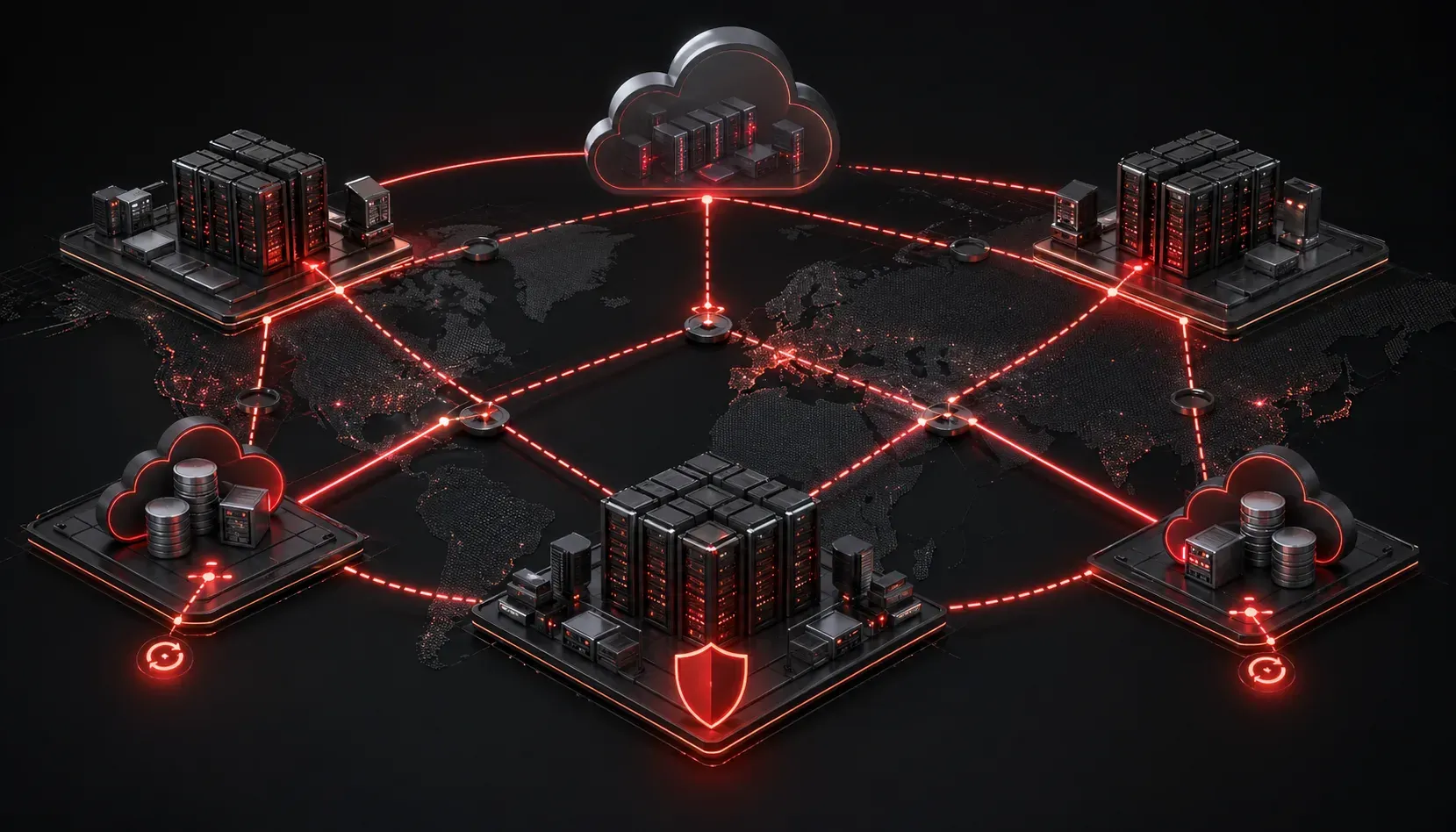
When learning about disaster recovery (DR) concepts for the Network+ exam, it's easy to get lost in theory. But understanding how these strategies work in real-world situations makes the concepts stick and prepares you for both the exam and your networking career. Let's explore actual scenarios where solid DR planning made the difference between minor hiccups and catastrophic failures.
Hurricane Sandy: Financial Sector Recovery
During Hurricane Sandy in 2012, many financial institutions in New York faced complete data center flooding. One major investment firm had implemented a comprehensive DR strategy that included geographically diverse backup sites. When their primary Manhattan data center lost power and connectivity, their automated failover systems kicked in within 15 minutes, routing all trading operations to a backup facility in New Jersey.
The key DR strategies that saved them included:
- Geographic separation: Backup sites located outside the disaster zone
- Automated failover: Systems that switched without human intervention
- Regular testing: Monthly DR drills that identified and fixed issues before the real disaster
- Data replication: Real-time synchronization between primary and backup systems
This real-world DR example demonstrates how proper planning can maintain business continuity even during major natural disasters.
Ransomware Attack: Healthcare Network Recovery
A regional hospital network faced a devastating ransomware attack that encrypted critical patient data systems. Their DR strategy included isolated backup systems that weren't connected to the main network, preventing the ransomware from spreading to backup data.
The disaster recovery scenarios they navigated included:
- Network segmentation: Critical systems isolated from general network traffic
- Offline backups: Regular backups stored on disconnected media
- Incident response procedures: Clear steps for containing and recovering from security incidents
- Communication protocols: Backup communication systems to coordinate response efforts
Within 72 hours, they had restored patient records and resumed normal operations without paying the ransom. The key was having backups that the attackers couldn't reach.
Data Center Fire: E-commerce Platform Continuity
An online retailer's primary data center suffered a fire that destroyed their main servers during peak shopping season. Their multi-tier DR strategy included cloud-based backup infrastructure and pre-configured virtual machines ready for immediate deployment.
Their recovery process showcased several DR strategies:
- Cloud redundancy: Virtual machines pre-configured in a different cloud region
- DNS failover: Automatic redirection of traffic to backup systems
- Load balancer reconfiguration: Rapid redistribution of traffic to available servers
- Database clustering: Real-time database replication to geographically separate locations
The retailer was back online within 4 hours, and most customers never noticed the disruption. This real-world DR example shows how cloud technologies can provide rapid recovery capabilities.
Network Cable Cut: ISP Redundancy Success
When construction equipment accidentally severed a major fiber optic cable serving thousands of businesses, a regional ISP's redundant network design prevented widespread outages. Their network topology included multiple diverse paths and automatic rerouting protocols.
The disaster recovery scenarios they handled included:
- Redundant pathways: Multiple fiber routes through different geographic areas
- MPLS traffic engineering: Automatic load balancing across available links
- SLA maintenance: Contractual uptime guarantees protected by redundant infrastructure
- Rapid deployment teams: Field crews ready to install temporary connections
Most customers experienced less than 30 seconds of disruption as traffic automatically rerouted through backup paths.
Key Lessons from Real-World DR Examples
These disaster recovery scenarios reveal common themes in successful DR strategies:
Testing is crucial: Every successful recovery involved regular testing of DR procedures. Companies that only tested annually often found their systems failed during real disasters.
Geographic separation matters: Keeping backups in the same building or city as primary systems often proves inadequate during major disasters.
Automation reduces recovery time: Manual recovery processes take too long and are prone to human error during high-stress situations.
Documentation saves time: Clear, up-to-date recovery procedures help teams act quickly and avoid mistakes.
What's Next
Understanding these real-world applications helps solidify DR concepts for your Network+ exam. Next, we'll explore how to calculate Recovery Time Objectives (RTO) and Recovery Point Objectives (RPO) to quantify your disaster recovery requirements and build effective DR strategies for different business scenarios.
Tools and resources for this topic
- CompTIA Network+ Study Guide — Comprehensive N10-009 exam preparation covering all five domains.