
Security Principles vs. Security Policies in Enterprises
This post explains the difference between security principles and security policies in enterprise environments. It covers how abstract principles like Least Privilege and Defense in Depth translate into actionable policy documents, and how both layers work together to build a structured security pr

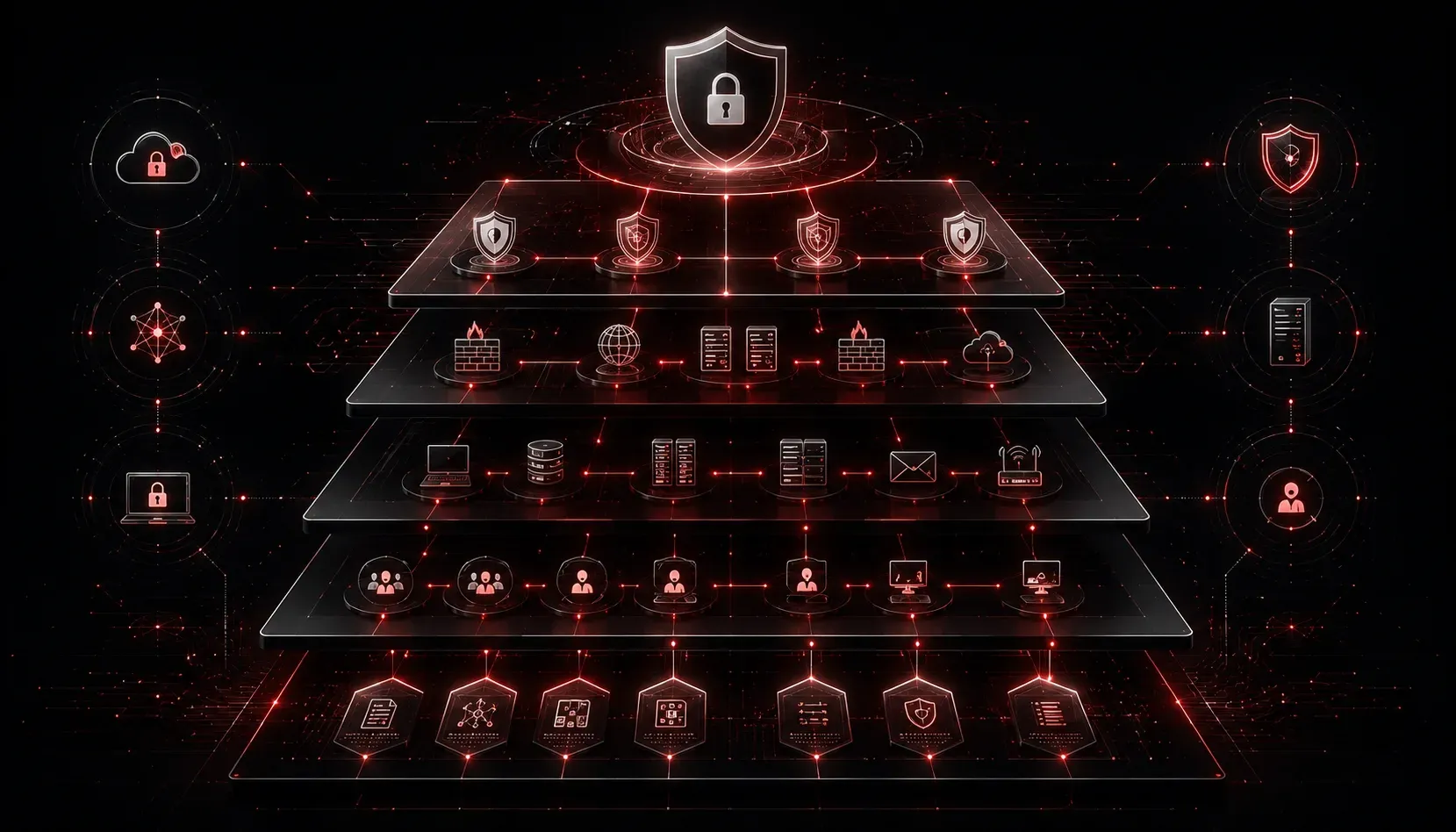
When you're studying for Security+ or stepping into your first enterprise security role, two terms get thrown around constantly: security principles and security policies. At first glance, they sound interchangeable. They're not. Understanding the difference between these two concepts is foundational to how organizations build and manage their security programs.
Let's break this down in plain terms.
What Are Security Principles?
Security principles are the foundational ideas that guide how security should work. Think of them as the "why" behind every security decision. They don't change much over time, and they apply broadly across technologies, industries, and organizations.
Some of the most important security principles you'll encounter include:
- Confidentiality, Integrity, and Availability (CIA Triad): the core model for evaluating and protecting information systems
- Least Privilege: users and systems should only have access to what they absolutely need
- Defense in Depth: use multiple layers of security controls so that no single failure compromises the entire system
- Separation of Duties: no single person should have unchecked control over a critical process
- Zero Trust: never assume implicit trust, always verify
These principles are abstract by design. They aren't specific instructions. They're guiding philosophies that inform decisions at every level of an organization.
What Are Security Policies?
Security policies are formal, documented rules that an organization creates based on those principles. They are the "what" and the "how." Policies translate abstract ideas into actionable requirements that employees, vendors, and systems must follow.
Examples of enterprise security policies include:
- Acceptable Use Policy (AUP): defines what employees can and cannot do on company systems
- Password Policy: sets minimum requirements such as length, complexity, and rotation frequency
- Remote Access Policy: governs how employees connect to internal systems from outside the office
- Data Classification Policy: defines how sensitive data should be labeled, stored, and shared
- Incident Response Policy: outlines the steps to take when a security event occurs
Policies are specific, written documents. They go through an approval process, get published to staff, and are periodically reviewed and updated.
How They Interact in Enterprise Environments
Here's where it clicks together. Security principles sit at the top of the hierarchy. They inform the creation of policies. Policies, in turn, drive the specific controls and procedures that get implemented day to day.
Consider this flow using the Least Privilege principle as an example:
- Principle: Least Privilege: users should only access what they need
- Policy: Access Control Policy: all access requests must be approved by a manager and reviewed quarterly
- Control: Role-Based Access Control (RBAC) configured in Active Directory to enforce those access levels
- Procedure: The IT team follows a documented process for provisioning and deprovisioning user accounts
The principle never changes. The policy might get updated as the business grows. The controls and procedures get adjusted as technology evolves. Each layer depends on the one above it for direction.
A Quick Comparison
- Principles are universal and timeless. Policies are organization-specific and versioned.
- Principles guide thinking. Policies mandate behavior.
- Principles are not enforced directly. Policies are enforced through controls and audits.
- Principles come from the security community and standards bodies. Policies are created internally by leadership and security teams.
A quick memory anchor: if you can find it in a textbook as a broad concept, it's probably a principle. If you can find it in a company's employee handbook or IT documentation, it's probably a policy.
Why This Distinction Matters for Security+
The Security+ exam under Domain 3.2 (Security Architecture) expects you to understand how organizations structure their security programs. Questions may ask you to identify which document type governs a specific situation, or why a particular control exists. If you understand that policies are derived from principles, you can reason through those questions even when the scenario is unfamiliar.
Recommended Reading
For a deeper dive into security principles, policies, and how they fit into enterprise architecture, check out the CompTIA Security+ Study Guide by Mike Chapple and David Seidl. It covers these foundational concepts clearly and maps them directly to exam objectives.
What's Next
Now that you understand the difference between principles and policies, the next logical step is exploring the specific policy types that show up most on the exam, including acceptable use, change management, and data handling policies. Understanding what each one covers and when it applies will sharpen your ability to answer scenario-based questions with confidence.