
Types of Security Controls: A Complete Guide
This guide explains the three fundamental types of security controls: preventive controls that stop incidents before they occur, detective controls that identify ongoing threats, and corrective controls that respond to and recover from security incidents. Understanding these control types is essent

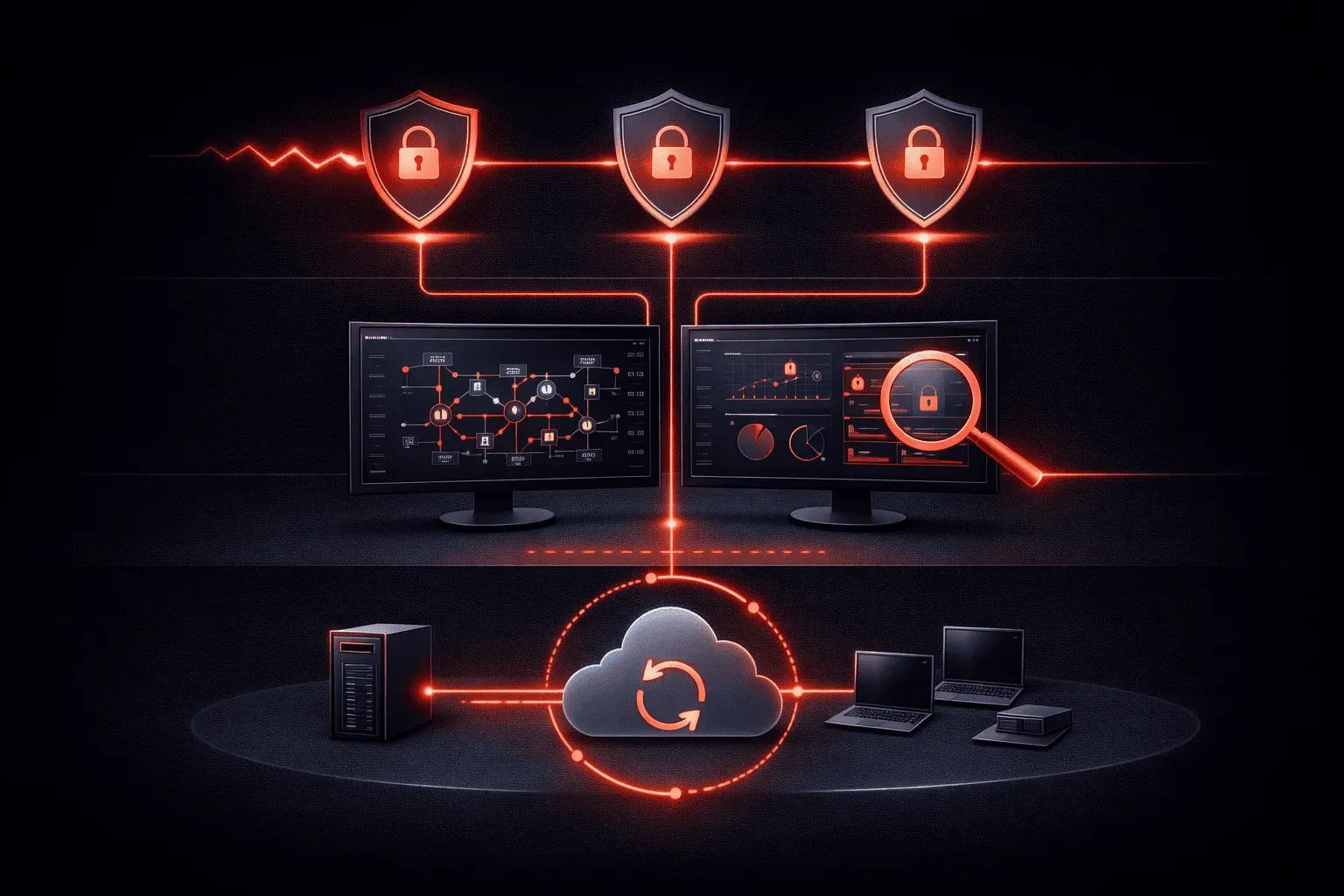
Understanding the different types of security controls is fundamental to building an effective cybersecurity strategy. Think of security controls as the layers of protection that defend your organization's assets, data, and systems. Just like a medieval castle had multiple defensive measures, walls, moats, guards, and watchtowers, modern cybersecurity relies on various control types working together.
Security controls are categorized based on when they act in the security lifecycle. Let's explore the three primary types and how they fit into your overall security posture.
Preventive Controls: Your First Line of Defense
Preventive controls are proactive measures designed to stop security incidents before they occur. These controls act as barriers, preventing unauthorized access, malicious activities, or policy violations from happening in the first place.
Common examples of preventive controls include:
- Firewalls that block unauthorized network traffic based on predefined rules
- Access controls like multi-factor authentication (MFA) and role-based permissions
- Encryption that protects data even if intercepted
- Security awareness training that educates users about phishing and social engineering
- Physical barriers such as locked doors, security badges, and surveillance systems
For example, when you configure a firewall rule like deny tcp any any eq 23, you're implementing a preventive control that blocks Telnet traffic before it can reach your network devices. This prevents potential security breaches from occurring through this insecure protocol.
Detective Controls: Monitoring and Alerting
Detective controls identify and alert you to security incidents that are currently happening or have already occurred. While they don't prevent attacks, they're crucial for maintaining situational awareness and enabling rapid response.
Key detective controls include:
- Security Information and Event Management (SIEM) systems that correlate logs and generate alerts
- Intrusion Detection Systems (IDS) that monitor network traffic for suspicious patterns
- Security cameras and motion sensors for physical security
- Log monitoring and analysis tools
- Vulnerability scanners that identify security weaknesses
Consider a SIEM alert triggered by multiple failed login attempts from the same IP address within a short timeframe. This detective control identifies a potential brute force attack, allowing your security team to investigate and respond appropriately.
Corrective Controls: Damage Control and Recovery
Corrective controls come into play after a security incident has been detected. These controls focus on minimizing damage, restoring normal operations, and preventing similar incidents from recurring.
Examples of corrective controls include:
- Incident response procedures that guide your team through breach containment
- Backup and recovery systems that restore data after corruption or loss
- Patch management processes that fix vulnerabilities after discovery
- Account lockout mechanisms that disable compromised user accounts
- Security policy updates based on lessons learned from incidents
When ransomware encrypts your files, your backup system acts as a corrective control by allowing you to restore clean copies of your data. Similarly, automatically disabling a user account after detecting suspicious activity helps contain potential damage.
How These Controls Work Together
The most effective security strategies implement all three types of security controls in a layered approach called "defense in depth." For instance:
- Preventive: A firewall blocks most malicious traffic
- Detective: An IDS identifies suspicious activity that bypassed the firewall
- Corrective: Incident response procedures isolate affected systems and restore operations
This layered approach ensures that if one control fails, others are in place to maintain security. No single control is perfect, but together they create a robust security posture that can adapt to evolving threats.
What's Next
Now that you understand the fundamental types of security controls, the next step is exploring how to implement these controls effectively. In our upcoming post, we'll dive into control implementation strategies and discuss how to choose the right mix of preventive, detective, and corrective measures for your specific environment and risk profile.
Security+ study resources
- CompTIA Security+ Study Guide — Full SY0-701 exam coverage including threats, vulnerabilities, architecture, and operations.