
How to Implement Security Controls Effectively
A practical guide to implementing security controls effectively, covering the step-by-step process from risk assessment to ongoing maintenance, while highlighting common pitfalls that can undermine security efforts.

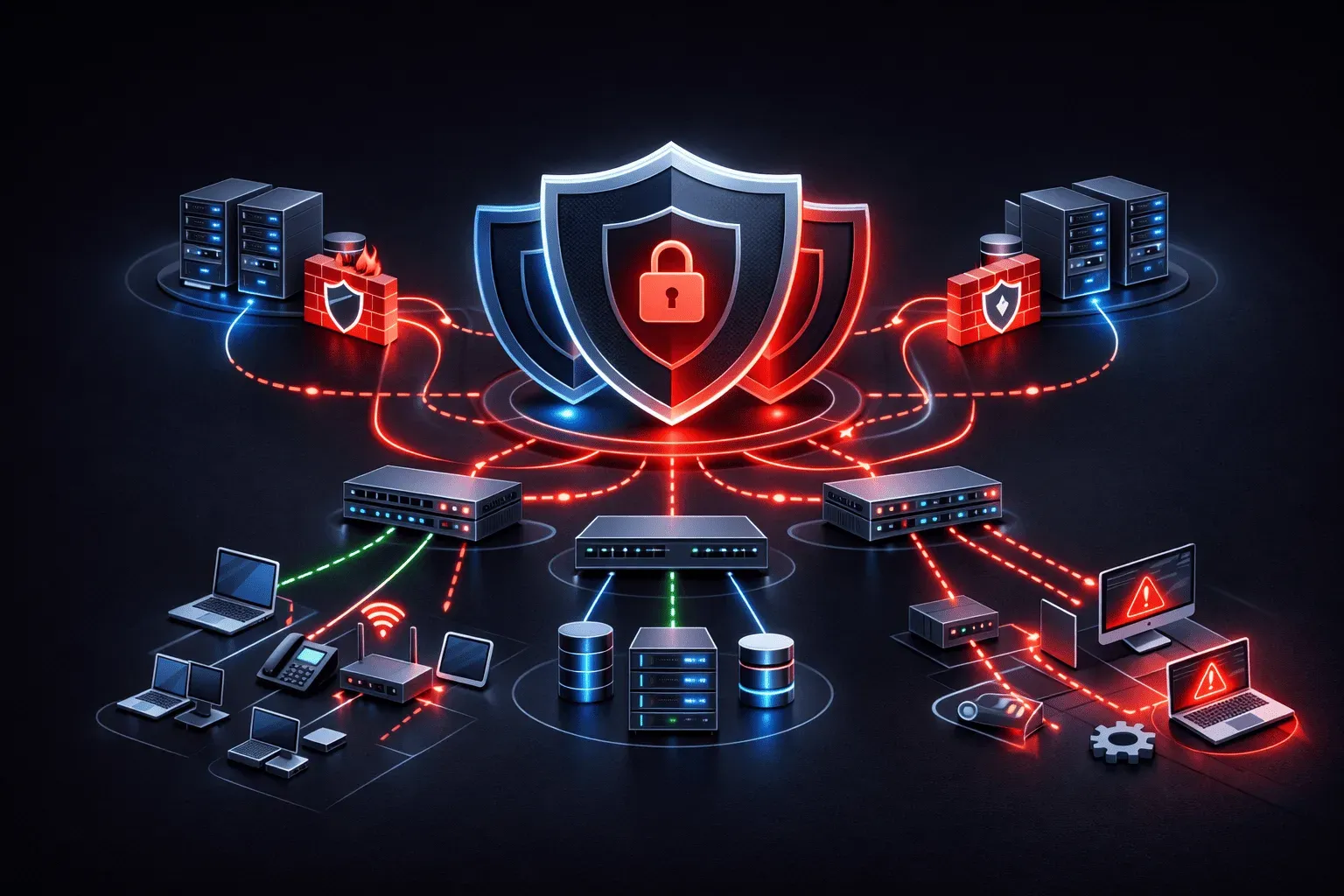
Implementing security controls effectively is one of the most critical skills for any IT professional. Whether you're securing a small business network or managing enterprise infrastructure, the way you implement security controls can make the difference between robust protection and a false sense of security.
Security controls are the safeguards and countermeasures you put in place to protect your organization's assets. But having the right controls isn't enough—you need to implement them correctly to achieve your security objectives.
Understanding the Three Types of Security Controls
Before diving into implementation, it's essential to understand the three main categories of security controls:
- Preventive controls stop incidents before they occur (firewalls, access controls)
- Detective controls identify when something has gone wrong (intrusion detection systems, log monitoring)
- Corrective controls respond to and recover from incidents (backup systems, incident response procedures)
Effective security implementation requires a balanced approach using all three types. Relying too heavily on one category creates vulnerabilities that attackers can exploit.
Step-by-Step Implementation Process
1. Conduct a Risk Assessment
Start by identifying what you're protecting and what threats you face. This assessment drives all implementation decisions. Document your critical assets, potential threats, and existing vulnerabilities. Without this foundation, you might implement controls that don't address your actual risks.
2. Define Clear Security Policies
Your security controls should align with documented policies. For example, if your password policy requires 12-character minimum passwords, ensure your Active Directory settings enforce this requirement. Misalignment between policy and implementation creates security gaps.
3. Implement in Phases
Roll out security controls gradually rather than all at once. Start with critical systems and high-risk areas. This approach allows you to:
- Test controls in a limited environment
- Train users on new procedures
- Identify and resolve issues before full deployment
- Maintain business operations during implementation
4. Configure with Security Best Practices
Default configurations are rarely secure. For network devices, this means changing default passwords, disabling unnecessary services, and enabling logging. For applications, apply security hardening guidelines and keep systems updated with security patches.
Common Pitfalls to Avoid
Over-Complicating the Implementation
Complex security implementations often fail because they're difficult to maintain and troubleshoot. Keep controls as simple as possible while still meeting your security requirements. A simple firewall rule that everyone understands is better than a complex configuration that creates confusion.
Ignoring User Experience
Security controls that severely impact productivity often get bypassed or disabled. When implementing access controls or authentication systems, consider the user workflow. If legitimate users can't do their jobs efficiently, they'll find workarounds that compromise security.
Failing to Test Controls
Don't assume your security controls work as intended. Test each control after implementation. For example, if you implement a firewall rule blocking specific traffic, verify that the traffic is actually blocked by attempting the connection from a test system.
Inadequate Documentation
Poor documentation makes security controls difficult to maintain and troubleshoot. Document the purpose of each control, how it's configured, and how to verify it's working properly. Include this information in your security procedures manual.
Monitoring and Maintenance
Security implementation doesn't end when the controls are in place. Establish ongoing monitoring to ensure controls remain effective. This includes:
- Regular review of access logs and security alerts
- Periodic testing of backup and recovery procedures
- Updates to security policies as business needs change
- Security awareness training for users
Remember that security is an ongoing process, not a one-time project. Threats evolve, systems change, and new vulnerabilities emerge. Your security implementation must adapt accordingly.
What's Next
Now that you understand how to implement security controls effectively, the next step is learning how to measure their effectiveness. In our next post, we'll explore security metrics and key performance indicators that help you determine whether your controls are actually protecting your organization.
Security+ study resources
- CompTIA Security+ Study Guide — Full SY0-701 exam coverage including threats, vulnerabilities, architecture, and operations.