
Understanding Enterprise Security: A Beginner's Guide
Enterprise security protects organizations' digital and physical assets through layered defenses including network security, endpoint protection, and access controls. Understanding these basics is crucial for maintaining business continuity and protecting valuable data from threats.

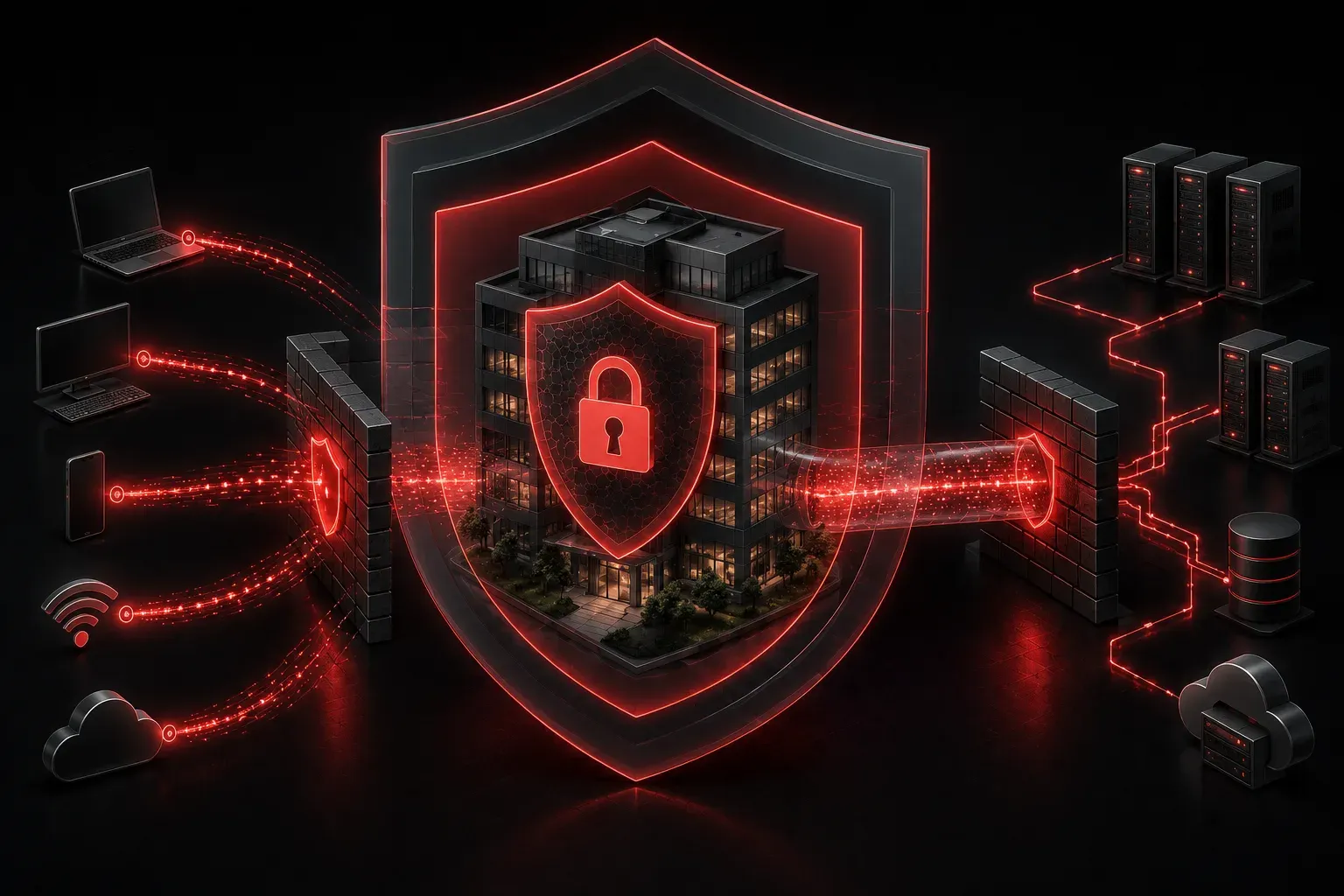
When you hear "enterprise security," you might picture complex firewalls and mysterious hackers. But at its core, enterprise security is simply about protecting an organization's valuable stuff; just like how you protect your home, car, or personal belongings.
What Is Enterprise Security?
Enterprise security is the practice of protecting an organization's digital and physical assets from threats. Think of it as a comprehensive security system for a business, similar to how your home has locks on doors, security cameras, and maybe an alarm system.
These assets include:
- Customer data and personal information
- Financial records and transaction data
- Intellectual property and trade secrets
- Employee information
- Business operations and systems
Understanding enterprise security basics means recognizing that it's not just about preventing hackers - it's about maintaining business continuity, protecting reputation, and ensuring compliance with regulations.
Why Enterprise Security Matters
The security importance for organizations cannot be overstated. Consider this analogy: imagine running a bank without locks on the vault, security guards, or cameras. That's essentially what operating a business without proper security measures looks like in today's digital world.
Here's what's at stake:
Financial Impact
Data breaches cost organizations millions of dollars. Beyond immediate losses, companies face regulatory fines, legal fees, and the cost of rebuilding systems. The average cost of a data breach in 2023 was $4.45 million according to IBM's Cost of a Data Breach Report.
Reputation Damage
Customer trust, once broken, is incredibly difficult to rebuild. When customers hear that their personal information was compromised, they often take their business elsewhere permanently.
Regulatory Compliance
Organizations must comply with various regulations like GDPR, HIPAA, or SOX. Non-compliance results in hefty fines and potential criminal charges for executives.
Core Components of Enterprise Security
Enterprise security isn't a single solution - it's a layered approach called "defense in depth." Think of it like securing a medieval castle with multiple walls, moats, and guard posts.
Physical Security
This includes access controls for buildings, server rooms, and workstations. Badge readers, security cameras, and locked server racks all fall under physical security.
Network Security
Firewalls, intrusion detection systems, and network segmentation protect data as it moves through the organization's network infrastructure.
Endpoint Security
Antivirus software, device encryption, and mobile device management protect individual computers, phones, and tablets that connect to the network.
Access Control
User authentication systems ensure only authorized people can access specific resources. This includes passwords, multi-factor authentication, and role-based access controls.
Data Protection
Encryption, backup systems, and data loss prevention tools protect information both at rest (stored) and in transit (moving between systems).
The Human Element
Here's something many people miss in this beginner guide: technology alone doesn't create security. People are both the weakest link and the strongest defense in any security strategy.
Employee training programs teach staff to recognize phishing emails, create strong passwords, and follow security procedures. After all, the best firewall in the world won't help if someone gives their password to a scammer over the phone.
Getting Started with Organizational Safety
For organizations beginning their security journey, organizational safety starts with understanding what you're protecting and who might want to steal it. This risk assessment forms the foundation of any security program.
Start with basic questions:
- What information would hurt your business if it became public?
- Which systems are critical for daily operations?
- Who has access to sensitive data?
- How would you recover if systems went down for a day or week?
What's Next
Now that you understand the fundamentals of enterprise security, the next step is diving deeper into specific security domains. In upcoming posts, we'll explore network security fundamentals, including how firewalls work and why network segmentation is crucial for protecting organizational assets.
Tools and resources for this topic
- CompTIA Security+ Study Guide — Full SY0-701 exam coverage including threats, vulnerabilities, and mitigation.