
What is Network Security and Why is it Important?
Network security protects digital infrastructure through comprehensive defense systems that ensure confidentiality, integrity, and availability of data. Understanding network security importance is crucial for preventing financial losses, maintaining compliance, and preserving organizational trust

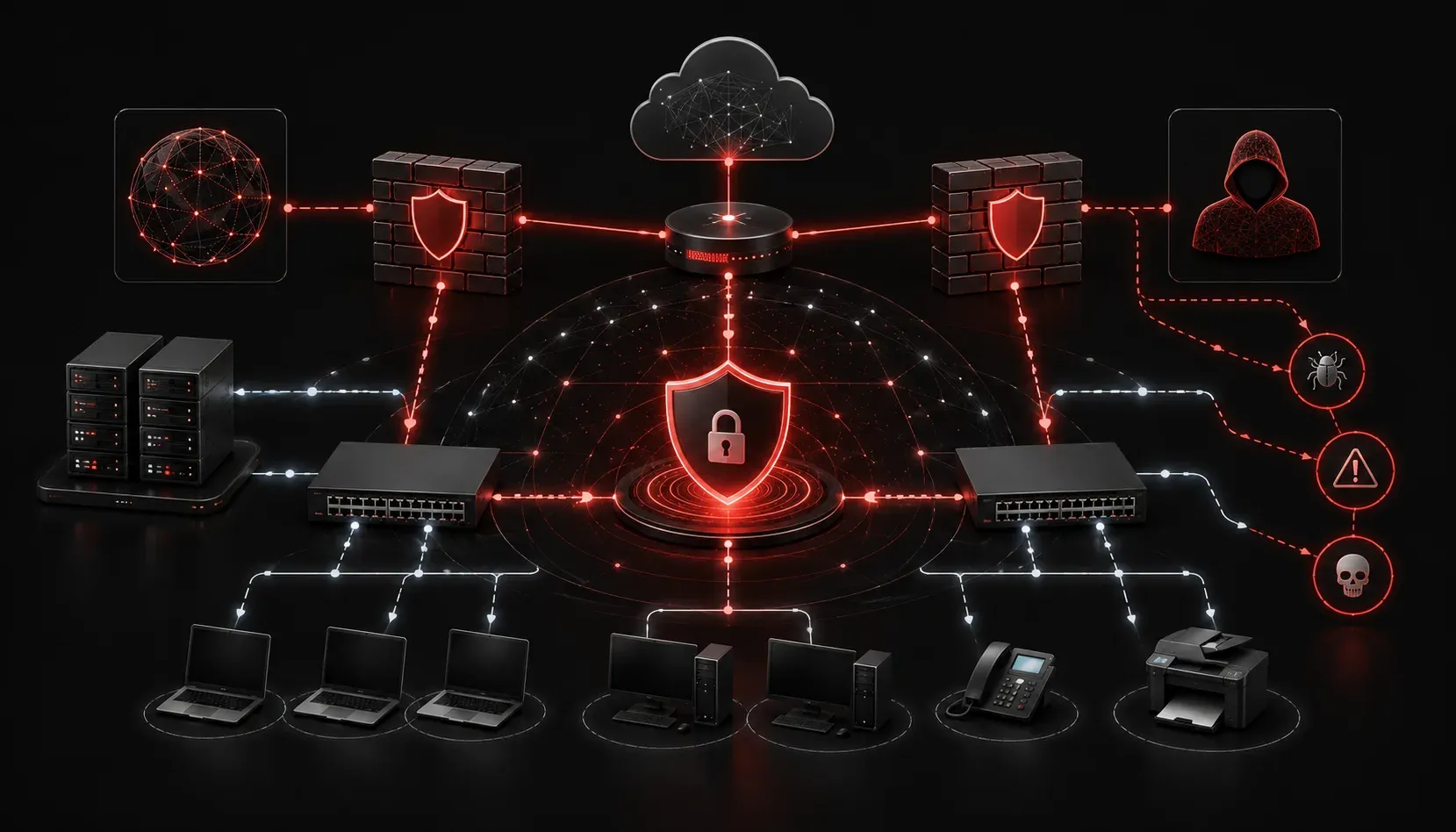
Network security forms the foundation of modern IT infrastructure, protecting the digital highways that connect our devices, applications, and data. Whether you're managing a small office network or studying for your CompTIA Network+ certification, understanding network security importance is crucial for any IT professional.
What is Network Security?
Network security encompasses the policies, procedures, and technologies designed to protect network infrastructure and data from unauthorized access, misuse, modification, or destruction. Think of it as a comprehensive defense system that monitors and controls network traffic, similar to how security guards and access controls protect a physical building.
At its core, network security involves three fundamental principles known as the CIA triad:
- Confidentiality: Ensuring that sensitive information remains private and accessible only to authorized users
- Integrity: Maintaining the accuracy and completeness of data during transmission and storage
- Availability: Guaranteeing that network resources and services remain accessible when needed
Why Network Security Matters
The importance of robust network protection extends far beyond preventing hackers from accessing your systems. In today's interconnected world, network security failures can have devastating consequences:
Financial Impact
Data breaches cost organizations an average of millions of dollars in recovery expenses, legal fees, and lost business. Small businesses often struggle to recover from significant security incidents, with many closing within months of a major breach.
Regulatory Compliance
Industries handling sensitive information must comply with regulations like HIPAA (healthcare), PCI DSS (payment processing), and GDPR (data privacy). Network security failures can result in hefty fines and legal consequences.
Reputation and Trust
Customers and partners lose confidence in organizations that cannot protect their data. Once trust is broken, rebuilding relationships and market position becomes extremely challenging.
Common Network Security Threats
Understanding the threats your network faces helps illustrate why comprehensive security measures are essential:
- Malware: Viruses, worms, and trojans that can corrupt data, steal information, or disrupt operations
- Phishing Attacks: Social engineering tactics designed to trick users into revealing credentials or sensitive information
- Denial of Service (DoS) Attacks: Attempts to overwhelm network resources and make services unavailable
- Man-in-the-Middle Attacks: Intercepting communications between two parties to steal or modify data
- Insider Threats: Security breaches caused by employees, contractors, or business partners with authorized access
Essential Network Security Components
Effective network protection requires multiple layers of security working together:
Firewalls
These act as gatekeepers, examining incoming and outgoing network traffic based on predetermined security rules. Firewalls can be hardware-based, software-based, or cloud-delivered solutions.
Access Controls
User authentication systems ensure only authorized individuals can access network resources. This includes strong password policies, multi-factor authentication, and role-based access controls.
Encryption
Data encryption protects information during transmission and storage by converting it into unreadable code. Protocols like HTTPS, SSL/TLS, and VPNs provide encryption for different network communications.
Monitoring and Detection
Network monitoring tools continuously watch for suspicious activities, unauthorized access attempts, and potential security breaches. Intrusion Detection Systems (IDS) and Security Information and Event Management (SIEM) platforms help identify threats quickly.
Building a Security-First Mindset
Network security isn't just about technology; it's about developing a culture where data security and privacy protection are priorities. This means providing regular security training for users, keeping systems up to date with the latest patches, and implementing security best practices throughout the organization.
For Network+ candidates, understanding these concepts provides the foundation for more advanced security topics you'll encounter in your studies and career. Remember that network security is an ongoing process, not a one-time implementation.
What's Next
Now that you understand the importance of network security, the next step is exploring the specific security threats and vulnerabilities that networks face. In our next post, we'll dive deep into common attack vectors and how they exploit network weaknesses, giving you the knowledge to better defend against them.