
Understanding the Basics of Program Deployment
Program deployment is the systematic process of distributing software across organizational devices, playing a crucial role in maintaining security standards and endpoint management. This post covers deployment methods, security considerations, and best practices for secure software distribution.

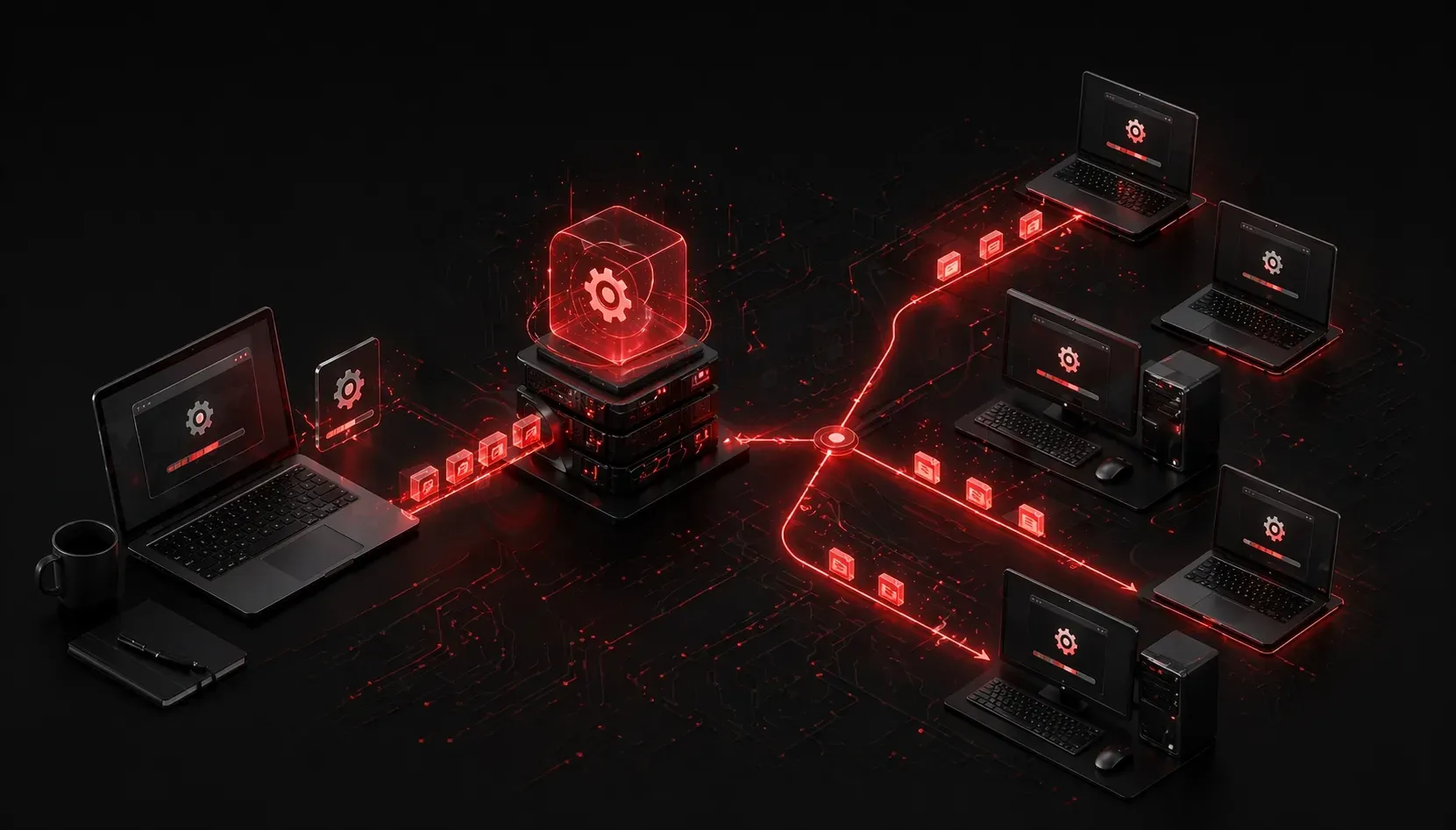
When managing an organization's cybersecurity, one critical aspect that often gets overlooked is program deployment. This process involves installing, updating, and managing software across all devices in your network. Understanding program deployment basics is essential for maintaining security standards and protecting your endpoints from threats.
What is Program Deployment?
Program deployment is the systematic process of distributing and installing software applications across multiple devices in an organization. Rather than manually installing software on each computer, IT teams use deployment tools to push applications to hundreds or thousands of endpoints simultaneously. This approach ensures consistency, saves time, and maintains security standards across the entire network.
Think of it like updating apps on your smartphone, but scaled up to manage software across an entire company's devices. The key difference is that enterprise deployment involves much more control, security considerations, and compliance requirements.
Common Deployment Methods
Organizations typically use several methods for software installation and management:
- Group Policy Objects (GPO): Windows environments use GPOs to deploy software through Active Directory, allowing administrators to push applications to specific user groups or computer objects
- Mobile Device Management (MDM): Platforms like Microsoft Intune or VMware Workspace ONE manage both corporate and BYOD devices
- Configuration Management Tools: Solutions like SCCM (System Center Configuration Manager) provide comprehensive endpoint management capabilities
- Cloud-based Deployment: Modern organizations increasingly use cloud platforms to distribute applications and updates
Security Considerations in Program Deployment
Program deployment directly impacts your organization's security posture. Here's why it matters:
Standardization and Control
Centralized deployment ensures that only approved, tested software gets installed on company devices. This prevents users from installing potentially malicious or vulnerable applications that could compromise security standards. By maintaining a standard software baseline, you reduce the attack surface and make it easier to identify anomalies.
Patch Management
Deployment systems enable rapid distribution of security patches across all endpoints. When a critical vulnerability is discovered, you can quickly push updates to affected systems rather than relying on users to manually update their software. This speed is crucial in preventing zero-day exploits and maintaining your security posture.
Compliance and Auditing
Many regulatory frameworks require organizations to maintain detailed records of installed software. Program deployment systems provide audit trails showing what software was installed, when, and on which devices. This documentation is essential for compliance with standards like PCI DSS, HIPAA, or GDPR.
Best Practices for Secure Deployment
To maintain strong endpoint management and security standards, follow these deployment practices:
- Test Before Deployment: Always test software in a controlled environment before pushing it to production systems
- Use Digital Signatures: Verify that software packages are digitally signed and from trusted sources
- Implement Staged Rollouts: Deploy to small groups first, then gradually expand to catch any issues early
- Maintain Software Inventory: Keep detailed records of all installed applications and their versions
- Regular Security Scanning: Continuously scan deployed software for known vulnerabilities
Deployment in BYOD Environments
Bring Your Own Device (BYOD) policies add complexity to program deployment. Organizations must balance employee convenience with security requirements. MDM solutions help by creating secure containers for corporate applications while allowing personal use of devices. This approach maintains security standards without completely controlling the employee's device.
What's Next
Now that you understand program deployment basics, the next step is exploring how to maintain accurate hardware and software inventories. These inventories form the foundation of effective endpoint management and are crucial for both security and compliance. We'll cover inventory management techniques and tools that work hand-in-hand with your deployment strategy.