
Comparing Hardware, Software, and Data Asset Management
A comprehensive comparison of hardware, software, and data asset management approaches, highlighting their unique security challenges and interconnected nature for Security+ exam preparation.

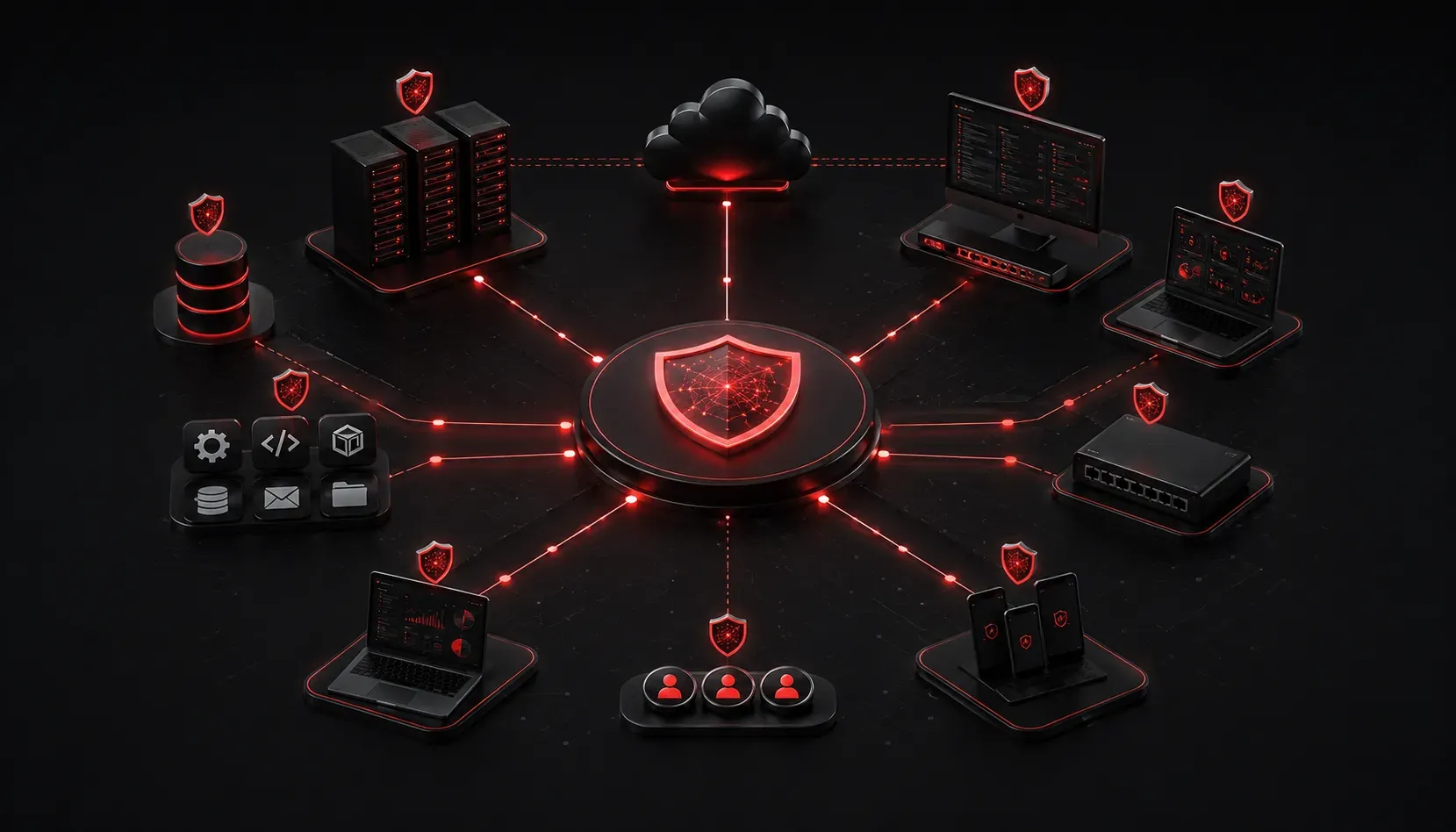
When you're preparing for Security+ or working in cybersecurity, understanding how to compare asset management across different asset types is crucial. Organizations must protect three fundamental asset categories: hardware, software, and data. Each comes with unique security challenges and requires different management approaches.
Hardware Asset Management
Hardware assets include physical devices like servers, laptops, mobile devices, network equipment, and IoT devices. Managing these assets involves tracking their location, ownership, configuration, and lifecycle status.
Key Security Challenges:
- Physical theft or loss of devices
- Unauthorized access through unsecured ports
- Hardware tampering or modification
- End-of-life disposal containing sensitive data
- Firmware vulnerabilities and patch management
Hardware management typically involves asset tagging, inventory databases, and regular audits. Tools like nmap for network discovery and mobile device management (MDM) solutions help maintain visibility over hardware assets.
Software Asset Management
Software assets encompass operating systems, applications, licenses, and custom code. This category often presents the most complex management challenges due to frequent updates and licensing complexities.
Key Security Challenges:
- Unpatched vulnerabilities in installed software
- Unauthorized or shadow IT applications
- License compliance and over-deployment
- Malware disguised as legitimate software
- Configuration drift and unauthorized changes
Software management requires vulnerability scanners, software inventory tools, and patch management systems. Organizations often use tools like WSUS for Windows updates or configuration management platforms like Ansible for maintaining consistent software states.
Data Asset Management
Data management focuses on information assets including databases, files, intellectual property, and personal information. Data represents the crown jewels for most organizations and requires the most sophisticated protection strategies.
Key Security Challenges:
- Data classification and handling requirements
- Unauthorized access and data breaches
- Data loss prevention and backup integrity
- Regulatory compliance (GDPR, HIPAA, PCI-DSS)
- Data lifecycle management and secure disposal
Data asset management involves data discovery tools, classification systems, and data loss prevention (DLP) solutions. Technologies like database activity monitoring and file integrity monitoring help maintain data security.
Interconnected Security Considerations
When you compare asset management across these three categories, you'll notice they're deeply interconnected. Hardware hosts software, software processes data, and all three must work together securely.
Consider this example: A compromised laptop (hardware) running an unpatched application (software) could expose customer records (data). This demonstrates why asset management can't operate in silos.
Unified Management Strategies:
- Implement configuration management databases (CMDBs) that track relationships between assets
- Use integrated security platforms that monitor all asset types
- Establish consistent policies across hardware, software, and data
- Coordinate incident response procedures for all asset categories
Practical Implementation Tips
Start with inventory and discovery. You can't protect what you don't know exists. Use automated tools to discover hardware on your network, scan for installed software, and identify data repositories.
Establish ownership and responsibility for each asset type. Hardware might fall under IT operations, software under application teams, and data under business units. However, security requirements must be consistent across all categories.
Regular audits and assessments should evaluate all three asset types together. Look for gaps where hardware vs software policies might conflict or where data protection requirements aren't reflected in hardware and software configurations.
What's Next
Now that you understand how to compare different asset management approaches, the next step is diving deeper into asset inventory techniques and automated discovery tools. We'll explore specific tools and methodologies for maintaining accurate, real-time visibility across your entire asset landscape.
Tools and resources for this topic
- CompTIA Security+ Study Guide — Full SY0-701 exam coverage including threats, vulnerabilities, and mitigation.