
What is Security Monitoring and Why is it Important?
Security monitoring is the continuous observation and analysis of IT environments to detect threats and security incidents. This post explains the basics of security monitoring and why it's essential for protecting digital assets from cyber threats.

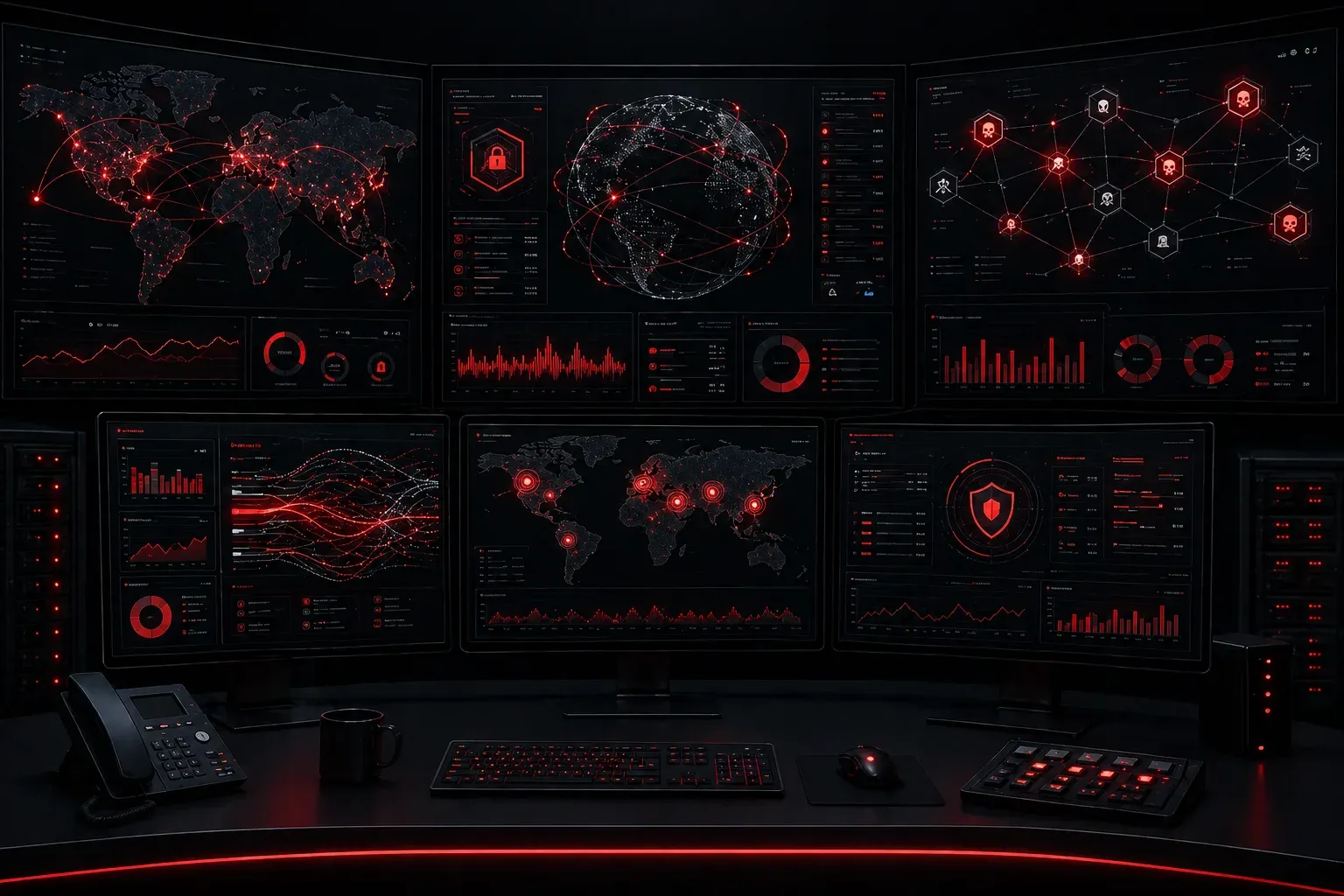
Security monitoring is like having a digital security guard watching over your networks, systems, and data 24/7. It's the practice of continuously observing and analyzing your IT environment to detect suspicious activities, potential threats, and security incidents before they cause serious damage.
Think of it this way: you wouldn't leave your house unlocked and unmonitored when you go on vacation. Similarly, your digital assets need constant vigilance to protect against cyber threats that never sleep.
What Exactly is Security Monitoring?
Security monitoring involves collecting, analyzing, and responding to security-related events from various sources across your IT infrastructure. This includes:
- Network traffic analysis - Watching data flow patterns for anomalies
- System log review - Examining records of user activities and system events
- Endpoint monitoring - Tracking activities on individual devices like laptops and servers
- Application security monitoring - Observing software behavior for suspicious activities
The process typically involves security information and event management (SIEM) tools that aggregate data from multiple sources, correlation engines that identify patterns, and alert systems that notify security teams when something looks suspicious.
Why Security Monitoring is Critical for Digital Protection
The importance of monitoring becomes clear when you consider that the average time to detect a data breach is 277 days according to IBM's Cost of a Data Breach Report. Here's why continuous monitoring is essential:
Early Threat Detection
Security monitoring helps identify security threats in their early stages. Instead of discovering a breach months later through external notification, monitoring systems can alert you within minutes or hours of suspicious activity. This early warning system is crucial because attackers often spend weeks or months quietly moving through networks before striking.
Compliance Requirements
Many regulatory frameworks like PCI DSS, HIPAA, and SOX require organizations to implement continuous monitoring. These regulations recognize that reactive security measures aren't enough in today's threat landscape.
Incident Response Enablement
When a security incident occurs, monitoring systems provide the forensic trail needed to understand what happened, how it happened, and what data may have been compromised. Without this visibility, incident response teams are essentially working blind.
Common Security Events to Monitor
Effective security monitoring basics involve watching for several key indicators:
- Failed login attempts: Multiple failed logins might indicate brute force attacks
- Unusual network traffic: Large data transfers at odd hours could signal data exfiltration
- Privilege escalation: Users suddenly gaining administrative rights without authorization
- Malware signatures: Known bad file hashes or suspicious file behavior
- Configuration changes: Unauthorized modifications to security settings
Building an Effective Monitoring Strategy
Start with these fundamental steps:
- Asset inventory: You can't protect what you don't know exists
- Log collection: Gather security events from all critical systems
- Baseline establishment: Understand normal behavior to identify anomalies
- Alert tuning: Configure notifications that are actionable, not overwhelming
- Response procedures: Define what happens when alerts trigger
Remember that security monitoring isn't just about technology; it requires people who understand how to interpret alerts and processes that ensure a timely response to genuine threats.
The Cost of Poor Monitoring
Organizations without adequate security monitoring face significant risks. Data breaches can result in financial losses, regulatory fines, reputation damage, and loss of customer trust. The longer a threat goes undetected, the more damage it can cause and the more expensive the recovery becomes.
Consider monitoring an investment in digital protection rather than treating it as just another IT expense. The cost of implementing monitoring solutions is typically far less than the cost of recovering from a major security incident.
What's Next
Now that you understand the fundamentals of security monitoring, the next step is learning about specific monitoring tools and technologies. In our next post, we'll explore SIEM systems in detail, including how they collect and correlate security events to provide actionable intelligence for security teams.
Tools and resources for this topic
- CompTIA Security+ Study Guide — Full SY0-701 exam coverage including threats, vulnerabilities, and mitigation.