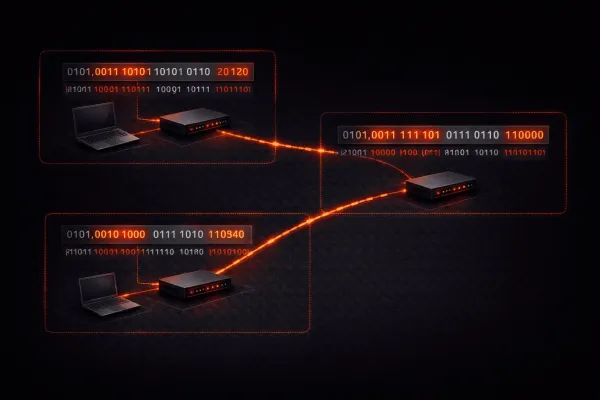
CCNA Troubleshooting IPv6 Addressing Issues Learn to troubleshoot common IPv6 addressing problems including configuration errors, connectivity issues, and neighbor discovery problems. Includes practical CLI commands and systematic troubleshooting approaches.
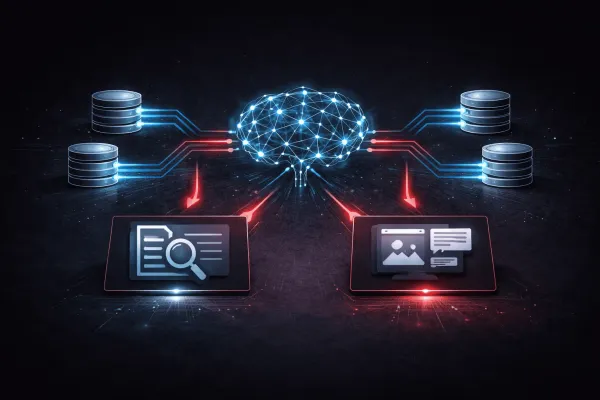
AITECH How Vector Databases Enhance AI Model Performance Vector databases store AI embeddings as high-dimensional vectors, enabling efficient similarity search and retrieval. They enhance AI model performance by providing fast access to relevant context through mathematical distance calculations rather than traditional keyword matching.
Linux+ Introduction to Managing Storage in Linux This post introduces the fundamental concepts of Linux storage management, covering partitions, filesystems, LVM, and RAID. It explains how these components work together to provide flexible and reliable data storage in Linux systems.
CCNA Automation How to Parse JSON to Python for Beginners Learn how to parse JSON data into Python data structures using the json module, with practical network automation examples showing how to convert API responses into usable Python objects.
Security+ Common Attack Surfaces in Network Security Attack surfaces represent all potential entry points where attackers can access your network. This post covers physical, digital, and social attack surfaces, how attackers exploit them, and methods for identification and reduction.
Network+ How to Calculate Subnets in IPv4 A step-by-step guide to calculating IPv4 subnets, covering subnet masks, CIDR notation, and practical calculation methods. Includes examples and quick reference tables for common subnet scenarios.
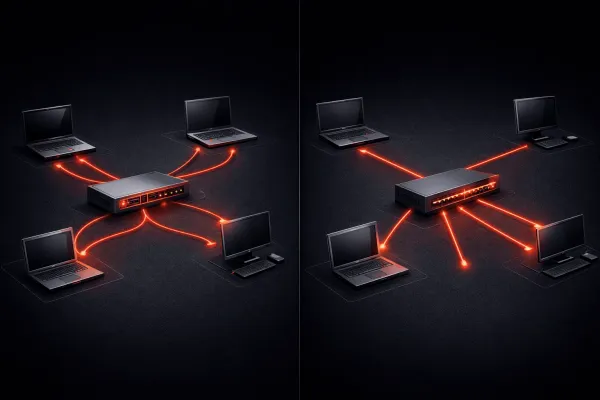
CCNA Understanding Ethernet Connections: Shared Media vs Point-to-Point Explores the key differences between Ethernet shared media and point-to-point connections, covering collision domains, bandwidth utilization, and their impact on modern network design. Essential knowledge for understanding network topology fundamentals.
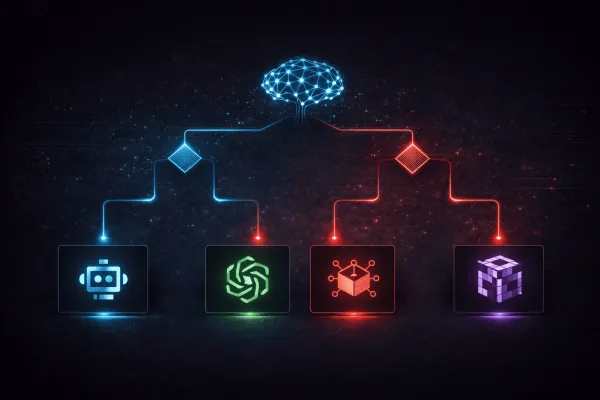
AITECH How to Choose the Right AI Model for Your Use-Case Learn how to systematically choose the right AI model by matching your specific use-case requirements to model strengths, covering text, multimodal, and reasoning applications with practical selection criteria.
CCST-Cybersecurity What Are Software and Hardware Updates in Cybersecurity? Software and hardware updates are critical cybersecurity defenses that patch vulnerabilities before attackers can exploit them. This post explains the types of updates, their importance in endpoint security, and best practices for managing them effectively.
AI Tools AI-Powered Network Monitoring: Tools and Techniques AI network monitoring transforms traditional reactive monitoring into intelligent, predictive systems that learn network patterns and detect anomalies before they become problems. This guide covers key tools like Cisco DNA Center, SolarWinds NPM, and open-source solutions, plus implementation strat
CCST-Networking What Are Endpoint Devices in Networking? Endpoint devices are the participants in network communication, including computers, mobile devices, servers, IP phones, printers, and IoT devices. Each type serves a specific purpose and has unique network requirements and traffic patterns.
Security+ How to Analyze Network Traffic for Malicious Activity Learn essential techniques for analyzing network traffic to identify malicious activity, including establishing baselines, recognizing suspicious patterns, and using key analysis tools like Wireshark and SIEM solutions.
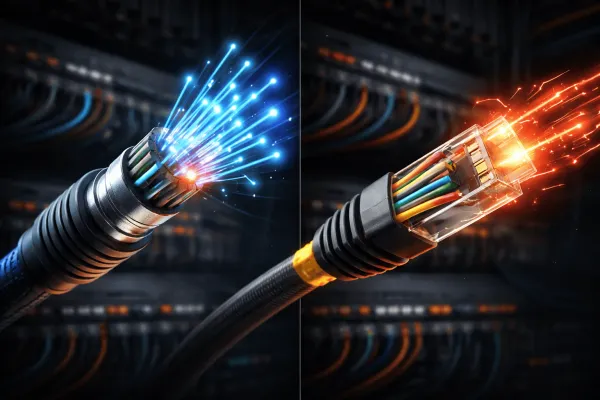
Network+ Fiber Optic vs Copper Cable: Which is Better? Compares fiber optic and copper network cables, covering speed, distance, cost, installation, and EMI considerations. Explains when to choose each type and introduces hybrid network approaches.
CCNA How to Configure IPv4 Addressing on Cisco Routers A comprehensive guide covering the essential steps to configure IPv4 addresses on Cisco router interfaces, including verification commands and troubleshooting tips. Perfect for CCNA exam preparation and hands-on practice.
AITECH Understanding Token Limits in AI Models Token limits in AI models determine how much text can be processed at once, affecting both input prompts and output responses. Understanding these limits helps users craft better prompts and manage longer conversations effectively.
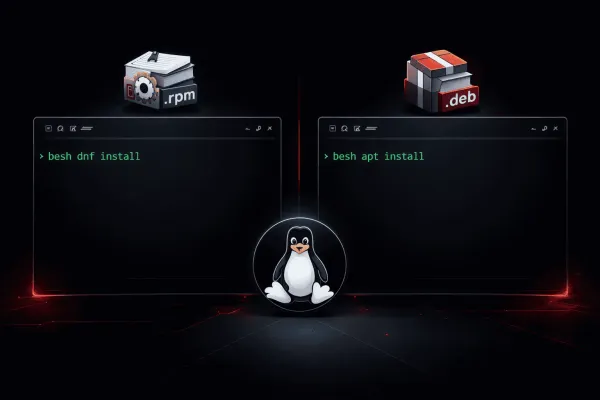
Linux+ Understanding Linux Distributions: RPM vs Dpkg This post compares RPM-based and dpkg-based Linux distributions, explaining their package management differences and helping beginners choose between systems like Red Hat/Fedora versus Debian/Ubuntu. It covers key tools, commands, and decision factors for each approach.
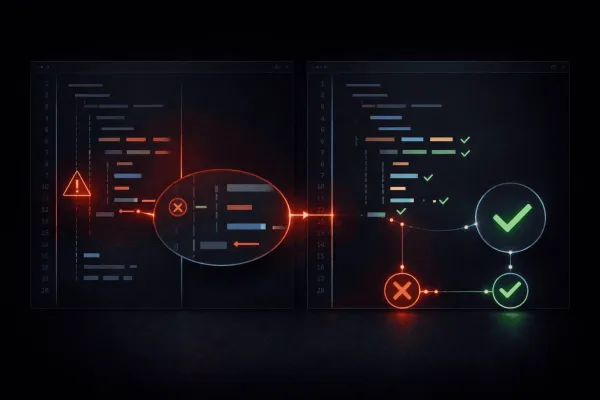
CCNA Automation Common Mistakes with YAML and How to Avoid Them Learn to identify and fix the most common YAML syntax errors that trip up network automation beginners, including indentation issues, quotation problems, and list formatting mistakes.
Security+ Hackers vs Insiders: Comparing Cyber Threats This post explains the key differences between external hackers and insider threats, covering their unique characteristics, attack methods, and the different defensive strategies needed for each type of cybersecurity risk.
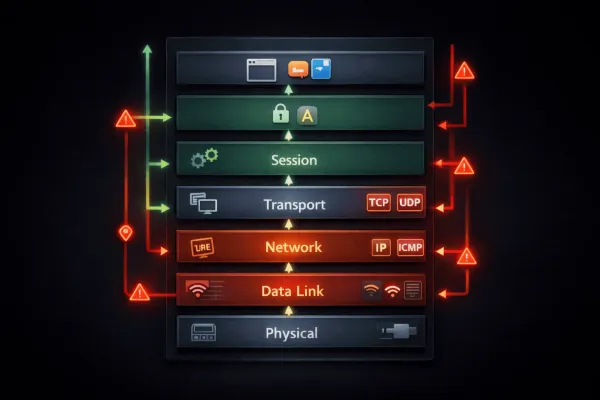
Network+ Common Mistakes When Learning the OSI Model This troubleshooting guide identifies and corrects the most common mistakes beginners make when learning the OSI model, from memorization pitfalls to encapsulation confusion. It provides practical fixes and real-world connections to build solid networking foundations.
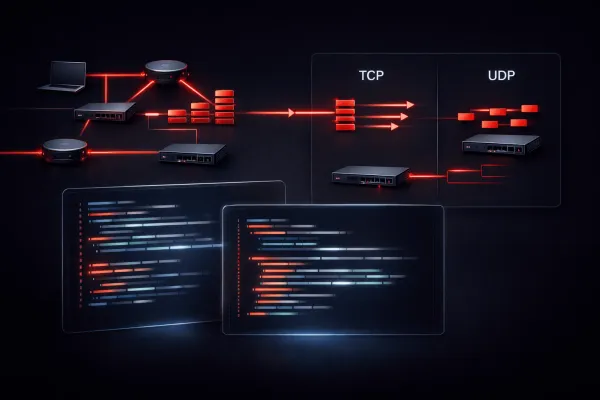
CCNA Troubleshooting TCP and UDP: Common Issues Learn essential techniques for troubleshooting TCP and UDP connectivity issues. Covers common symptoms, diagnostic commands like telnet and netstat, and systematic approaches to resolve protocol-specific problems.
AITECH Understanding Retrieval Augmented Generation (RAG) Retrieval Augmented Generation (RAG) combines information retrieval with AI generation capabilities, allowing models to access external data sources for more accurate and current responses. This technique addresses knowledge limitations in traditional AI models by enabling them to pull relevant inf
CCST-Cybersecurity What Are Endpoint Security Policies and Standards? Endpoint security policies are formal documents that define rules for protecting devices connecting to networks. They establish baseline security requirements, incorporate industry standards like NIST and ISO 27001, and ensure compliance through automated tools and regular audits.
AI Tools AI Monitoring Tools: Enhancing Network Visibility An examination of leading AI-powered network monitoring tools including Cisco ThousandEyes, Dynatrace, Datadog, and SolarWinds NPM, focusing on their capabilities for enhanced network visibility and proactive issue resolution for IT professionals.
CCST-Networking What is Bandwidth? A Simple Explanation This post explains bandwidth as the maximum data transmission capacity of a network connection, using highway and water pipe analogies to help beginners understand the concept and its importance in networking.
Security+ Threat Vectors vs Attack Surfaces: Key Differences This post clarifies the key differences between threat vectors (attack methods) and attack surfaces (potential targets), explaining how these fundamental security concepts work together in cybersecurity defense strategies.